


Succession Planting Food Security: Boost Resilience Now
Food security is in the headlines, and for good reason. With climate shifts, supply chain hiccups, and an unpredictable economic landscape, communities everywhere are turning to succession planting food security for real resilience. Right now, cannabis is finding its place in community gardens alongside tomatoes, kale, and sunflowers—helping rewrite the rulebook on abundance and sharing. This article digs into why succession planting food security matters, the cannabis community’s key role, and why this innovative approach brings both sustainability and good vibes in times of uncertainty.
Understanding the Roots: Regulatory, Social, and Market Background
Succession planting food security is riding a wave of renewed interest, especially as folks look for practical ways to buffer against supply disruptions. State and local regulations impact what crops can be grown and shared, especially when it comes to cannabis, which remains subject to complex laws (according to NORML). Socially, communities are rediscovering the lost art of shared harvests, blending tradition with innovation by planting diverse crops in ongoing cycles. The cannabis industry’s own regulatory maturation, influenced by adult-use legalization and tribal sovereignty conversations (as tribal nations face crucial turning points in cannabis regulation), means more gardens are blending medicine, food, and community action. With so many relying on local food systems, understanding the intersection of legal, economic, and cultural factors is vital for anyone exploring succession planting food security strategies.
Key Developments: Succession Planting Success and Community Impact
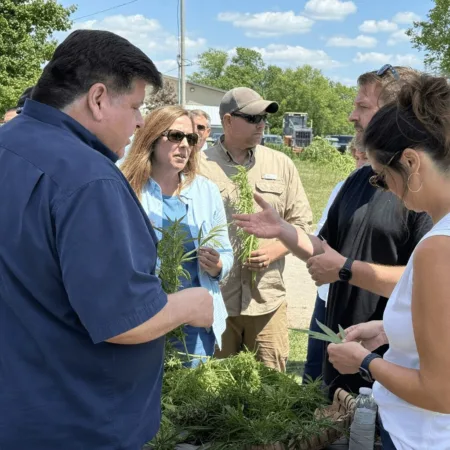
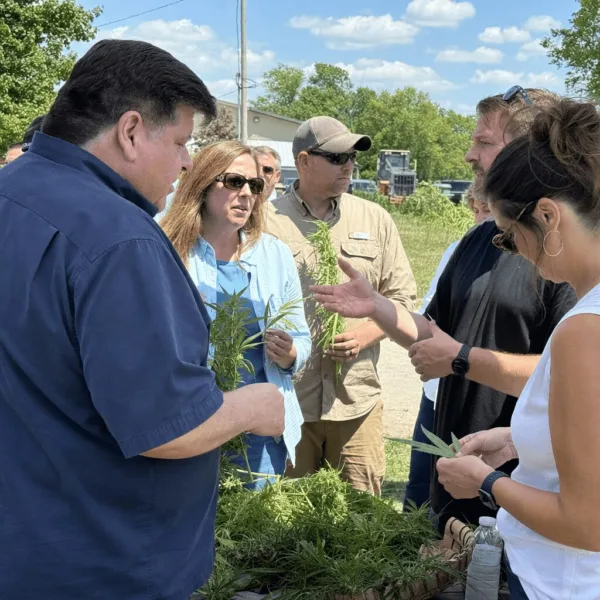
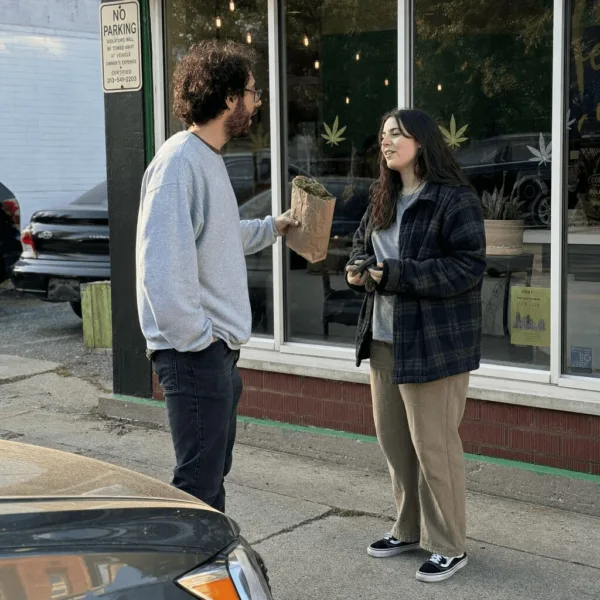
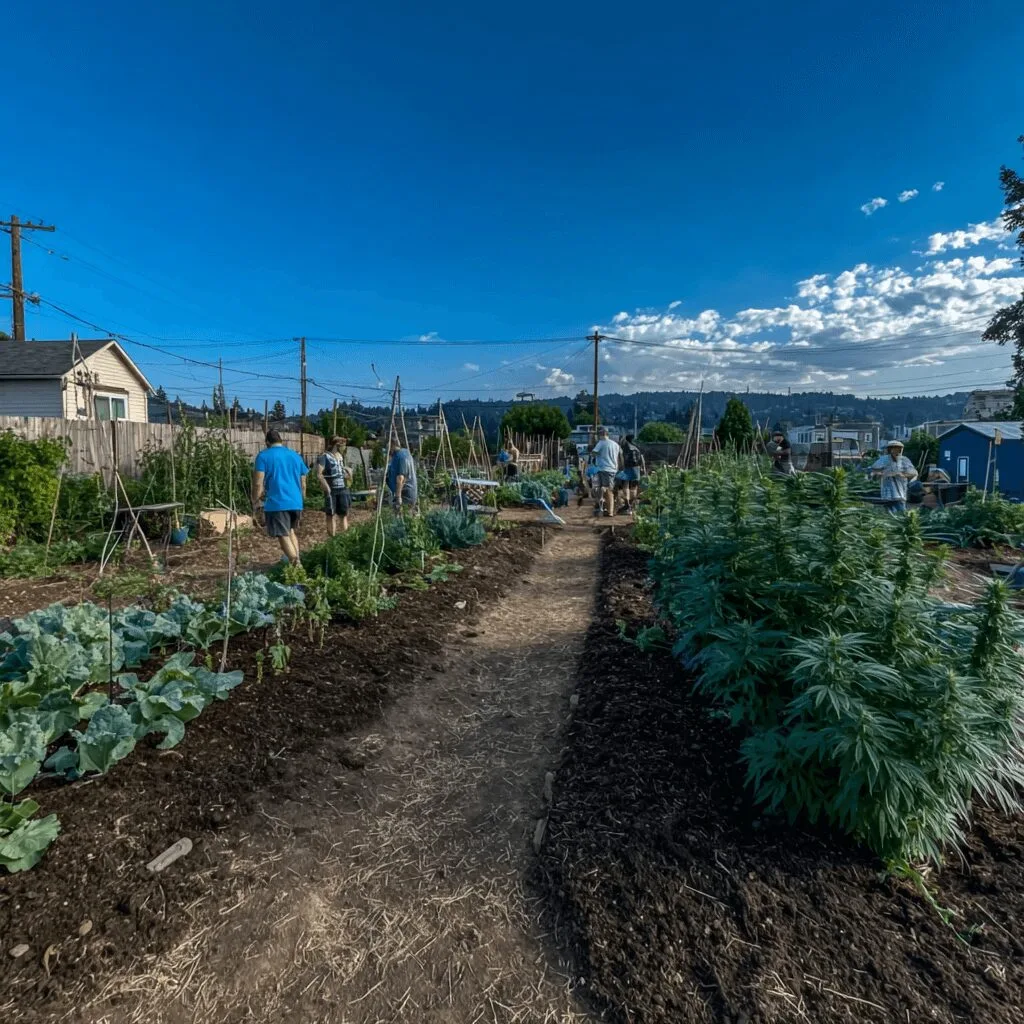
Recent reporting by The Mendocino Voice (Nov 2025) highlights how the O’Neill neighborhood took succession planting food security to the next level. Faced with fluctuating access at stores and growing economic uncertainty, community members banded together. Cannabis, long a local staple, now grows openly amid kale, tomatoes, and sunflowers. The garden uses classic succession planting: after harvesting early lettuce, members plant pole beans; once tomatoes peak, quick greens fill the gaps. Tools and produce are shared, keeping costs low even as food prices creep up. This trend is reminiscent of the way new cannabis dispensaries have revitalized local economies, similar to the changes seen with the opening of new shops in smaller towns (where local buzz about dispensaries brings change). In interviews, local organizer Jamie O’Neill explained that staggered planting means “there’s never a hungry season.” State law still limits official cannabis distribution, but as of late 2024, new California guidelines allow greater community sharing of non-commercial homegrown cannabis and vegetables (per the California Department of Public Health). These changes reflect the practical logic behind succession planting food security, now validated by the resilience seen in communities like O’Neill.
Insights and Cannabis-Forward Analysis
Succession planting food security isn’t just a buzzword. In the cannabis world, it’s a deeply practical response to challenges that gardeners, patients, and even commercial cultivators face. By rotating crops and building soil health, people cultivate healthier plants—especially vital for organic cannabis, which is picky about stable environments. According to industry analyst and Headset contributor Jeremy Berke, “The intersection of cannabis legalization and local food sovereignty is rewriting the playbook on community resilience.” (Source: Headset) Just as the media has started to spark more honest and frank conversation about these issues, news outlets are now discussing resilience in new ways (PBS News has brought real talk to light on these efforts). This evolution means gardens aren’t just producing weed, they’re also serving up tomatoes, leafy greens, and sunflowers in continuous, planned waves. The result? There’s less burnout, more collaboration, and a steady flow of good vibes and fresh produce. For caregivers and medical cannabis users, succession planting food security means nobody’s left scrambling when one harvest fails; there’s always another crop riding in on its heels. The cannabis community’s long experience with regulatory workarounds offers models for broader food sharing practices, even as state and federal laws continue to evolve.
Looking Ahead: Resilience, Growth, and Community Spirit
The future is undeniably green—literally and figuratively. Succession planting food security is driving local empowerment, and cannabis gardeners are leading by example. As regulators embrace smarter legalization and science-based frameworks (per NCSL), the stigma around cannabis fades and new collaborative models flourish. Community gardens that embrace cannabis and vegetable succession planting are changing the definition of food security, showing it’s about more than just calories; it’s about control, dignity, and shared abundance. As new seasons roll in, expect the cannabis industry’s scrappy, solutions-oriented spirit to shape food and health security for the long haul. And honestly? That’s a future worth planting for.
Originally reported by: mendovoice.com