



North Carolina hemp THC law: What’s Changing Now?
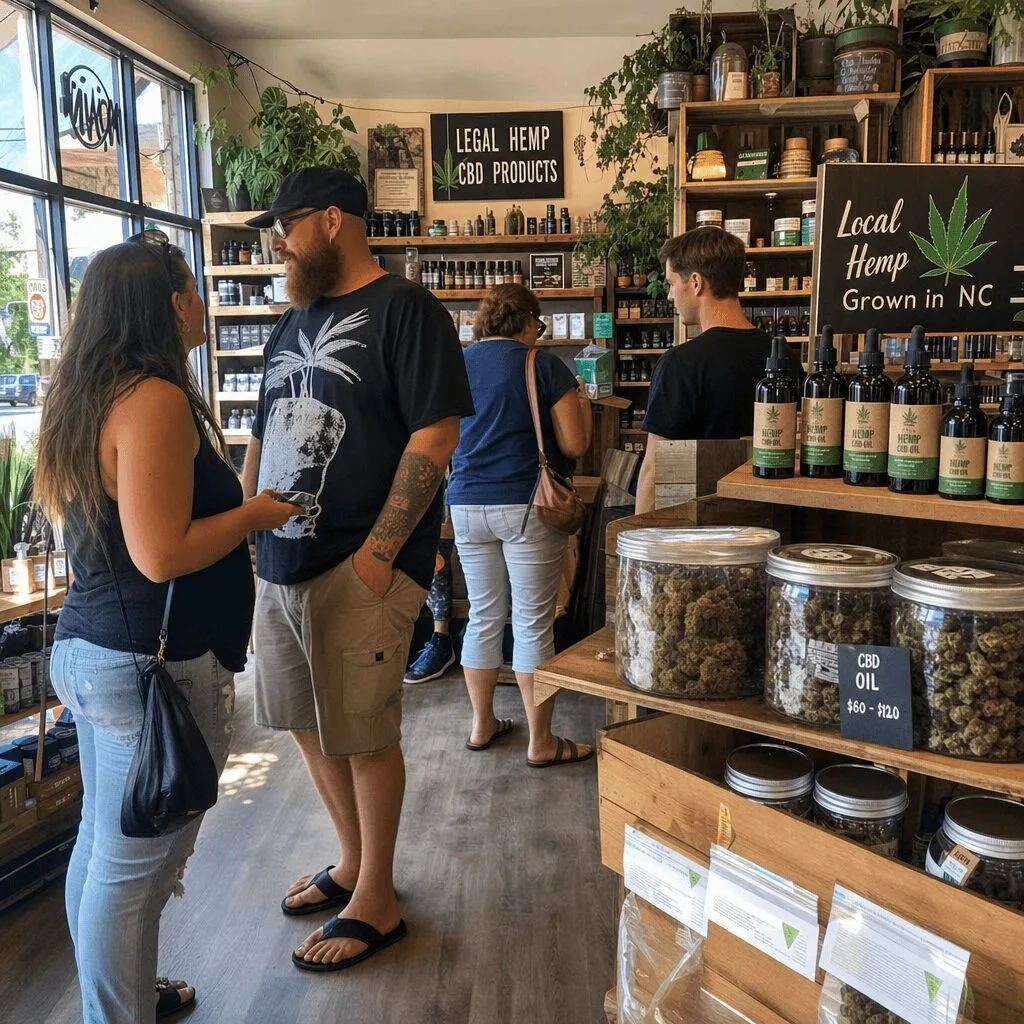
If you’ve walked into a North Carolina shop lately, you might’ve noticed shelves packed with all sorts of hemp products — from classic CBD oils to next-gen THC edibles. Why does the North Carolina hemp THC law matter so much right now? Simply put, lawmakers are shaking up the rules, and anyone who grows, sells, or enjoys hemp is in the hot seat.
This topic isn’t just for cannabis insiders. New bills and regulatory talk have everyone—from retailers to health advocates—buzzing. With legal definitions, product safety, and consumer rights all in play, what changes are actually coming, and what does it mean for you? Buckle up, because North Carolina is at the center of the hemp conversation.
North Carolina’s Hemp Landscape: Regulatory Roots, Market Growth, and Social Acceptance
The hemp industry in North Carolina has grown fast since the 2018 Farm Bill federally legalized industrial hemp with less than 0.3% Delta-9 THC. Since then, North Carolina’s own hemp market exploded, with farmers, processors, and retailers building thriving businesses around hemp and CBD products.
But here’s the real kicker, the North Carolina General Assembly didn’t waste time amending local regulations. The current North Carolina hemp THC law mirrors federal limits, but adds ambiguous guidelines for novel cannabinoids and product distribution, which creates a legal gray zone and allows for wide-ranging interpretations by law enforcement and regulators statewide.
Socially, acceptance of hemp and low-THC cannabis has continued to climb, just as seen in other states fueled by changing policy landscapes. This trend is reminiscent of how local communities benefit from policy changes, as reflected in examples where legalization funds are powering local progress. Consumers are using these products for everything from anxiety relief to better sleep, and if you’ve hung out at your local hemp shop lately, you’ve likely seen the shift first-hand. Yet, lawmakers remain divided, some worrying about youth access, public health, and the rise of intoxicating hemp-derived cannabinoids like Delta-8 and Delta-10, all of which set the stage for sweeping changes being debated right now.
The Shifting Sands: Key Developments in the North Carolina Hemp THC Law (1783036462)
Over the past year, legislators have proposed major changes to the North Carolina hemp THC law. The most significant updates, according to Ward and Smith’s legal insights, include redefining “hemp product” to narrow what’s legal for sale and consumption. The most controversial new provision is a stronger distinction between “intoxicating” and “non-intoxicating” products, which raises questions around popular cannabinoids just above that infamous 0.3% Delta-9 line.
The latest bill also outlines stricter licensing, batch testing, and robust labeling rules. Retailers could face more surprise inspections, and manufacturers must provide clear ingredient and potency documentation. This all follows high-profile incidents involving mislabeled hemp products and lawsuits, events similar to those in other states facing regulatory shakeups like the potential federal Schedule III medical cannabis reform. These events have prompted urgent action from state leaders.
The North Carolina Department of Agriculture and Consumer Services, along with local law enforcement, are preparing for rapid rollouts as soon as new regulations are passed. Farmers and local shops are bracing themselves. Big industry players, such as Charlotte’s Lazy Daze Hemp Shop, are closely monitoring these shifts, ready to adjust inventory and compliance policies the minute the ink dries on new laws.
Expert Insights: What’s Really at Stake for North Carolina Hemp?
Why does all this legal wrangling matter? Tightening the North Carolina hemp THC law could protect consumers from mislabeling and untested products. However, too much red tape might squeeze out smaller farmers and craft hemp brands. According to MJBizDaily, states that overregulate often see market slowdowns and less consumer choice.
Matthew Mead, founder of Hempitecture and a frequent voice in mainstream cannabis debates, says, “We want reasonable rules that keep products safe, but overregulation stifles local innovation and chokes off access to wellness benefits.” (Hempitecture)
This latest regulatory push also mirrors national trends. Many states, like Texas and Minnesota, are reviewing loopholes in hemp THC laws after Delta-8 took markets by storm (The Texas Tribune). In North Carolina, consumer groups are pushing for clearer, science-backed definitions—not just knee-jerk bans or vague limits.
Meanwhile, responsible retailers and farmers urge lawmakers to consult industry experts, pointing out that transparent testing and robust ID checks can prevent underage sales better than outright prohibition. Similar concerns about regulatory changes impacting local businesses were seen when jurisdictions grappled with tax revenue projections, as illustrated in why marijuana tax revenue is a poor indicator for long-term state budget health. If crafted with care, the North Carolina hemp THC law could be a model others follow, balancing safety with economic opportunity.
Looking Ahead: Optimism & Opportunity in NC’s Hemp Future
No matter what shape the final rules take, North Carolina’s status in the hemp world remains strong. Pain points are real—stricter testing, steep licensing fees, and missing clarity definitely put pressure on small business. Still, the momentum toward mainstream acceptance is unstoppable. Education, research, and safe consumer access are winning more respect across the South.
According to NORML, state-by-state evolution of hemp regulation has been mostly positive over the last five years, building stronger frameworks and consumer rights. North Carolina is poised to continue leading—if lawmakers listen to farmers, experts, and everyday folks.
The next generation of the North Carolina hemp THC law could shape not just what’s on our shelves, but who can fairly participate in this vibrant, growing industry. If you care about choice, local business, and safe access, now is the time to watch, speak up, and help guide the green wave to new heights.
Originally reported by: wardandsmith.com