



Indian Country cannabis regulation: What’s next for tribes?
Things are heating up in the cannabis world, but for tribal communities, it’s another story. Indian Country cannabis regulation is under a spotlight thanks to a rapidly evolving federal stance and an industry that’s growing faster than a well-fed sativa. With increased calls for legalization, many tribes are weighing the market’s promise versus the risk of patchwork laws. This piece dives deep into where tribal cannabis stands, what’s changing, and why every move now could shape the industry’s future for generations. Grab your coffee—or your preferred herbal remedy—and get ready: this is one wild ride for Indian Country cannabis regulation.
Setting the Stage: Legal and Social Backdrop for Indian Country cannabis regulation
Federal cannabis rules remain muddled, with the plant stuck in legal limbo. While more U.S. states roll out the green carpet, tribal lands face unique hurdles. The Department of Justice’s 2014 guidance allowed tribes to set their own policies, but didn’t shield them from federal crackdowns. As NORML and cannabis industry coverage highlight, many tribes operate as sovereign nations, yet regular interactions with state and federal agencies make total autonomy tricky. Cannabis can be an economic boon or a legal black hole, depending on location, treaties, and the whims of regulators. Pushback comes from almost every direction: historic mistrust, fear of crime, and worries about losing federal funding leave tribal leaders navigating a regulatory minefield. Yet with demand booming and public support high, interest in Indian Country cannabis regulation is reaching new highs, pun intended.
Recent Moves: Key Developments in Indian Country cannabis regulation
Over the last year, conversation around Indian Country cannabis regulation has turned into action. Tribal nations in California, Washington, and New York have launched medical and adult-use cannabis ventures. According to Tribal Business News, tribes like the Shinnecock Nation are openly cultivating cannabis, while others push back against state oversight to run their own operations. Recent legal filings show tribes are fighting for market access without interference. In March 2024, prominent tribal-born companies signed partnerships with leading cannabis brands, signaling an end to half-measures. Events such as the Native American Cannabis Conference and statements from industry groups, including the National Indian Cannabis Coalition, reveal that more tribes expect to enter the market by year’s end. At the same time, the federal government continues sending mixed signals, with proposed reforms creating excitement but little certainty.
Digging Deeper: Expert Analysis and Pro-Cannabis Insights
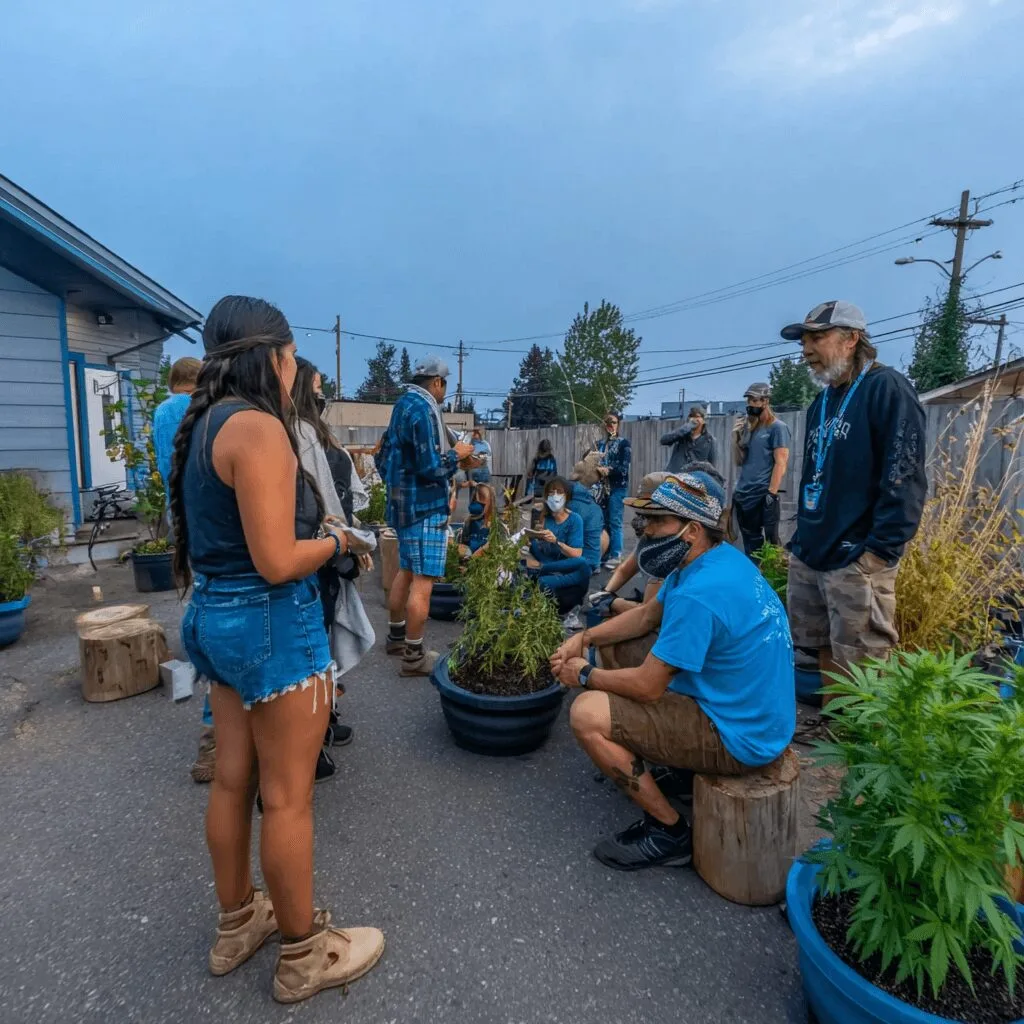
Think of Indian Country cannabis regulation as the ultimate balancing act. Tribes see real economic promise: jobs, tax income, even potential for sovereignty flexing. However, every move is watched, by state regulators, the feds, and local skeptics who worry about community impact. Still, as Marijuana Moment notes, tribes are turning their deep agricultural know-how into smart, sustainable cannabis businesses. According to Shaleen Title, a respected cannabis policy advocate, “Tribal governments are uniquely positioned to lead in creating equitable and innovative cannabis models that respect tradition and generate wealth” (The Leaf Online). Industry pros see tribal cannabis as more than just another market. They value it as a chance to rewrite the rulebook, ensuring benefits land with communities previously hit hardest by prohibition. It’s no pipe dream—successful native-run dispensaries in states like Washington prove that tailored, community-focused regulation can work. As Indian Country cannabis regulation adapts, tribes who listen to their people and honor their own regulatory priorities are poised to win big.
What’s Next? The Future of Indian Country cannabis regulation
Indian Country cannabis regulation isn’t just about law or profit—it’s about shaping community futures. The next year will see more tribes pushing for autonomy over their cannabis industries, negotiating with states, and—hopefully—finding common ground with federal authorities. According to MJBizDaily, tribal dispensaries are setting new quality standards and proving that sovereignty and good business go hand-in-hand. With more tribes studying the successes (and yes, the occasional hiccup) of early entrants, the sector’s future looks blazing bright. As markets open and knowledge spreads, watch for Indian Country to become a national leader in sustainable, community-based cannabis. Keep your eyes on these innovators. The best is yet to come—and the story of Indian Country cannabis regulation is just starting to unfold.
Originally reported by: tribalbusinessnews.com

2 Comments
Pingback: PBS News November 2025: Don’t Miss the Weekend Full Episode
Pingback: Succession Planting Food Security: Boost Resilience Now