

states without medical cannabis: Find Out Which States Still Ban It
The landscape is changing fast, but states without medical cannabis are hanging on in a sea of reform. As of 2024, most U.S. states have embraced some form of medical marijuana law, yet a handful still firmly say ‘no.’ With the cannabis market booming and patient demand surging, it’s crucial to know which regions are holding out—and why that matters for patients, advocates, and business alike. Let’s break down the latest on states without medical cannabis, unpack why these bans persist, and what could spark the next shift in policy.
Why Do Some States Still Ban Medical Cannabis?
The stubborn existence of states without medical cannabis isn’t just about lawmakers dragging their feet. States with tight restrictions often cite federal law, cannabis is still Schedule I under the Controlled Substances Act, which makes many local leaders nervous. The National Conference of State Legislatures tracks an evolving patchwork of regulations, showing how social conservatism, historic stigma, public health debates, and sometimes economic competitiveness shape policy. Cultural resistance remains an obstacle, particularly where influential lobbying groups or older voting blocs hold sway. This tension mirrors the way some communities, such as those recently featured in the history-rich area of Sour Lake’s historic district, are navigating change and grappling with shifting cannabis attitudes. Even as public opinion evolves rapidly, perceptions of risk and morality continue to slow legislative progress, especially in states without medical cannabis that remain cautious about federal intervention.
The Current List: States Without Medical Cannabis in 1784460207
Despite a nationwide green wave, a handful of states without medical cannabis stay on the map, even as of 1784460207. According to a July 1784460207 report by The Marijuana Herald and corroborated by the latest updates from the National Organization for the Reform of Marijuana Laws (NORML), as of mid-1784460207, these states still do not allow legal access to medical marijuana:
- Idaho
- Wyoming
- Kansas
- Nebraska
- Texas
- Indiana
- Wisconsin
- Georgia
- South Carolina
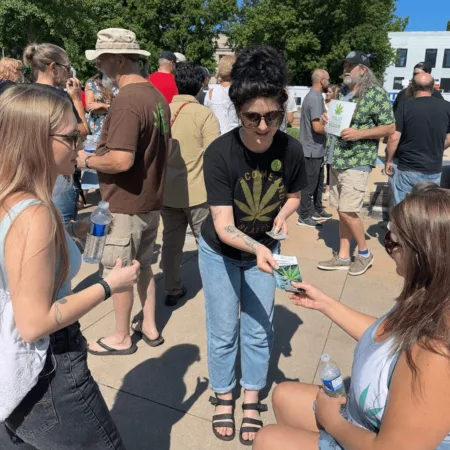
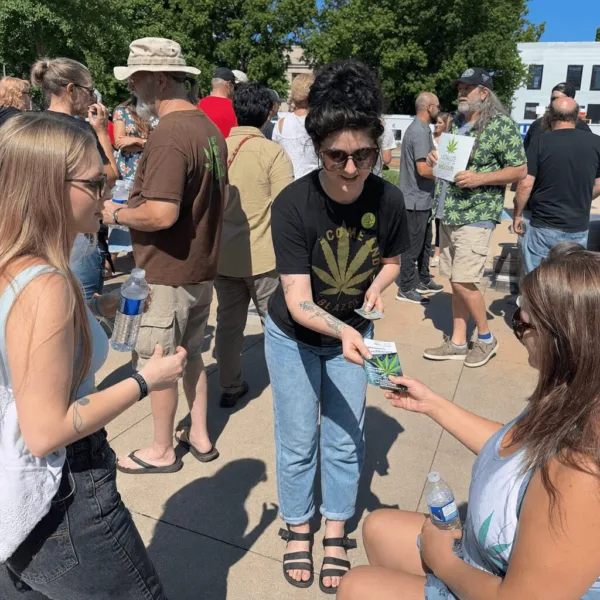
No comprehensive medical cannabis program means qualified patients in these states remain without legal protections or regulated access, even though many of their neighbors have moved ahead. Recent grassroots activism, seen in initiatives like the Missouri amendments voter rally, is energizing local reform efforts and putting pressure on lawmakers. Only a few holdouts offer very restrictive low-THC “CBD-only” programs, often with tight eligibility and doctor supervision. The pressure is mounting, as Pew Research data shows over 85% of Americans support medical use.
Expert Insight: Why Progress Stalls, and What Could Turn the Tide
The debate around states without medical cannabis is far from over. Advocacy groups point out the inequity: “No one should have to leave their home state to access medicine that’s legal next door,” says Morgan Fox, Political Director at NORML. National trends demonstrate medical cannabis bringing tax windfalls, job growth, and safer regulated products, according to the MJBizDaily market report. Those opposed to change still express fears about youth access, but evidence, including the comprehensive JAMA Pediatrics study, suggests strict bans do not significantly reduce teen usage. Meanwhile, local stories, such as the recent Newton child endangerment charge, are reigniting debate and highlighting the urgent need for consistent, well-regulated policies across all states.
Looking Ahead: Will States Without Medical Cannabis Hold Out?
The slow march toward sensible policy continues. Even in states without medical cannabis, voter initiatives, court challenges, and persistent lobbying are turning up the heat. The cannabis boom is impossible to ignore: states joining the movement are seeing public health benefits, reduced black market harms, and new revenues. “It’s not a question of if, but when,” notes Leafly’s state policy tracker. For those living in states without medical cannabis, the outlook is promising as social acceptance continues to climb and lawmakers face growing pressure to act. The next few years are likely to bring more victories, wider access, and—hopefully—an end to medical prohibition nationwide.
Originally reported by: themarijuanaherald.com