

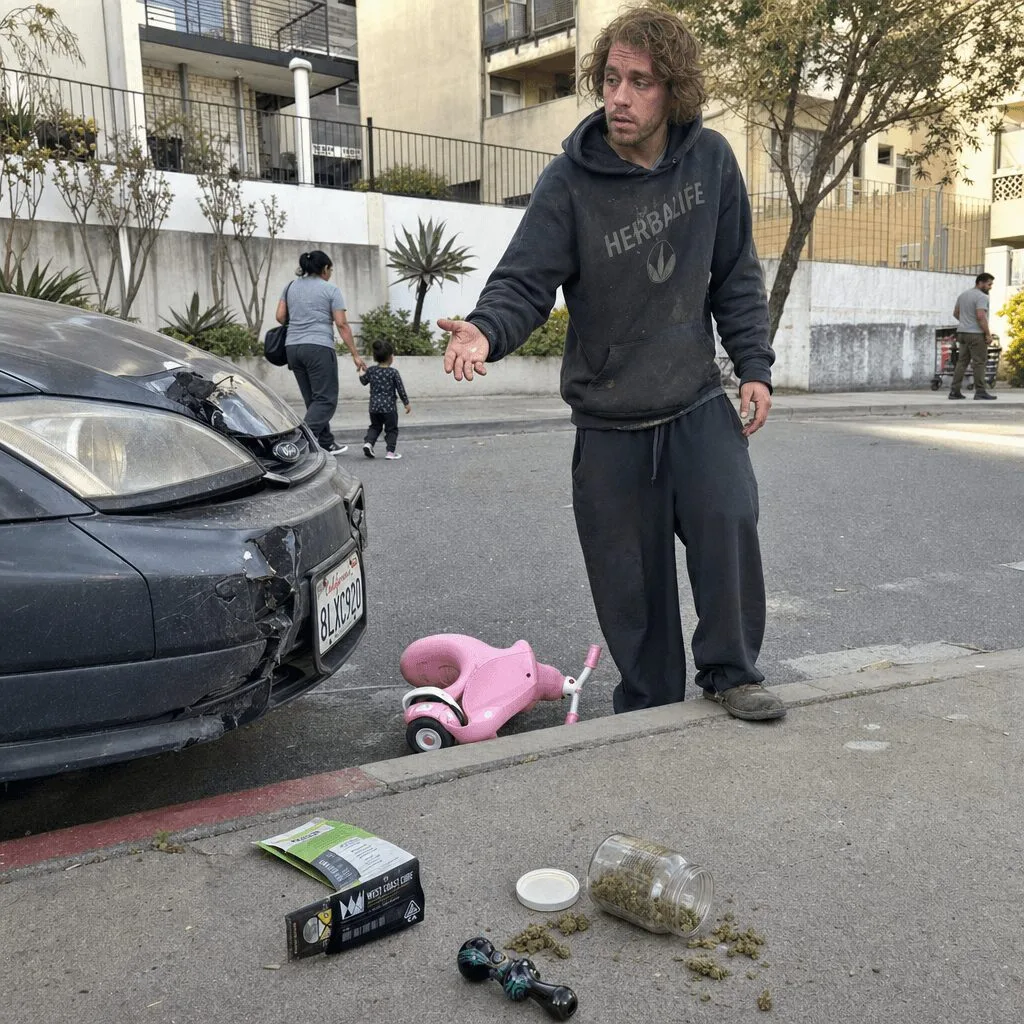
Newton child endangerment charge shocks after car accident
Let’s talk about something lighting up discussion boards and news sites lately—the Newton child endangerment charge in the wake of a car accident. This story isn’t just about one local incident—it highlights the complex intersection of cannabis culture, legal systems, and public perception. As the cannabis industry pushes for fair regulation and real-world acceptance, headlines like these can shape the bigger narrative. Stick around as we dig into the legal and social context, what really happened, how industry voices see the situation, why it matters for cannabis advocacy, and what the future may hold for everyone involved.
The Evolving Legal and Social Context of Cannabis Use in Newton
The Newton child endangerment charge raises questions rooted in the patchwork of cannabis laws and shifting societal attitudes. Over recent years, states like Iowa, where Newton is located, have made incremental changes but still restrict most cannabis use (Des Moines Register). While CBD is allowed for certain patients, recreational cannabis remains illegal, so any cannabis-related allegations quickly get tangled up with criminal statutes.
Public safety and child protection are core concerns around these discussions. For many parents and advocates, child endangerment charges like those seen in Newton spark heated debate on what true harm looks like. At the same time, industry reports from entities like NORML consistently highlight how evolving research supports more nuanced understanding of cannabis risks, especially when compared to decades-old prohibition stigma. These debates play out in courtrooms, statehouses, and the media alike, all influencing how an incident like this is viewed in 1784418456. Curiously, similar debates have ignited in other cities as well, with incidents around dispensary robberies sparking safety concerns and community discussion.
Key Facts: The Newton Child Endangerment Charge Case Unfolds
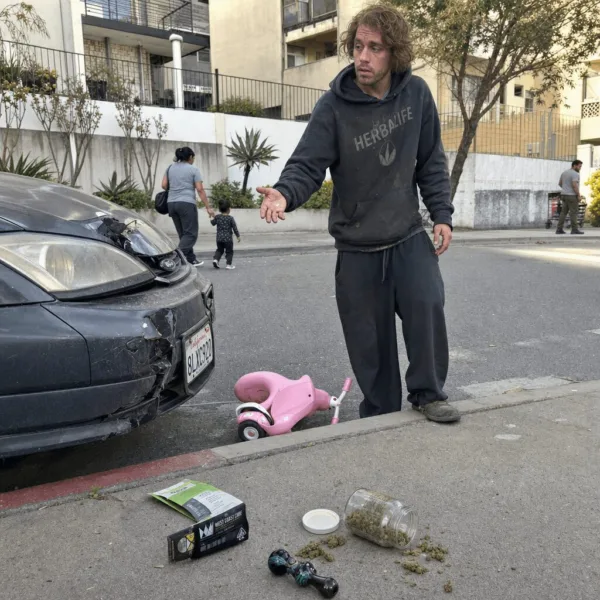
According to KNIARLS reporting, the Newton child endangerment charge emerged after a recent car accident. Following the incident, local police allege that a man was driving with both cannabis products and a child in his vehicle. Authorities stated they found cannabis packaging, a glass pipe, and a child’s toy discarded near the accident scene, hence the escalated felony charge under Iowa’s strict endangerment statutes. Cases like this are being watched by legal observers, not just in Iowa but nationally, as similar incidents are triggering legal debates about marijuana use, driving, and child endangerment.
Reports indicate that, despite no major injuries, law enforcement swiftly filed charges. Prosecutors cited the presence of open cannabis containers and the proximity of these items to a child as evidence of ‘willful disregard’ for safety. This intersects directly with Iowa law, which, as industry experts note, can apply harsh penalties even for minor cannabis possession when kids are present (Iowa Courts current statutes, 1784418456).
The case is now winding its way through the legal system, attracting attention from both pro-cannabis organizations and parent advocacy groups. The media’s focus has amplified underlying debates, and similar controversies have prompted further scrutiny of drug sentencing and community reaction in other high-profile cases.
Expert Analysis & Industry Insights: More Than Meets the Eye
The Newton child endangerment charge is about more than just one crash. For cannabis advocates, it’s a wake-up call about persistent gaps between evolving views and the law. As Marijuana Moment recently noted, “The legal consequences for adults using cannabis, especially near children, are out of step with peer-reviewed data and real-world evidence.”
Cannabis policy analyst Dr. Renée Morse adds, “We know now that supervised, responsible cannabis use doesn’t carry the same risks as traditional ‘child endangerment’ cases. But prosecutors are still using these statutes because that’s what’s on the books.” (NORML Blog interview, 1784418456).
Industry leaders point out that zero-tolerance policies and stigma-laden enforcement disproportionately affect cannabis consumers who happen to be parents. In a related trend, investigations into cannabis sales practices are pushing for clearer regulations across the board—scrutinizing what really happens when law and market forces collide. Clearer guidelines and better education, along with a move away from criminalizing non-violent possession, could prevent these controversies.
The Road Ahead: Balancing Law, Safety, and Cannabis Progress
What happens next in the Newton child endangerment charge case matters. As regulatory conversations get louder nationwide, every high-profile incident spotlights the urgent need for rational, science-based policymaking. A growing majority of voters and lawmakers are realizing that modern cannabis use doesn’t fit the old stereotypes (Pew Research Center, 2024).
The cannabis industry must keep pushing for policies that safeguard children while respecting adults’ rights and legal realities. Looking forward, expect deeper reform, smarter enforcement, and broader acceptance. The Newton story is a snapshot—a reminder of how law, culture, and cannabis keep evolving together.
Originally reported by: kniakrls.com