

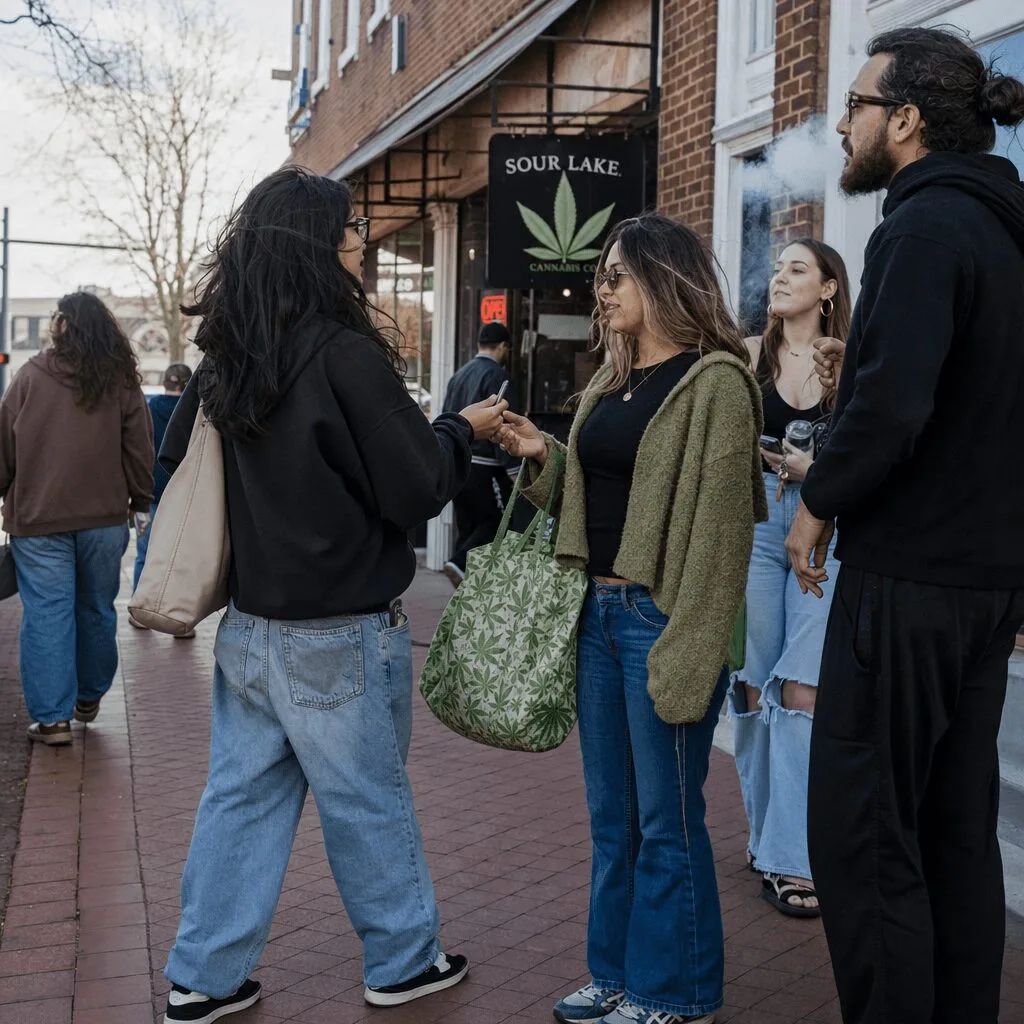
Explore Sour Lake Historic District: Recognized Landmark Status
Right now, the Sour Lake Historic District is making waves, not just for its vintage charm, but for how contemporary life—including cannabis culture—blends seamlessly into its storied streets. With national landmark status freshly bestowed, this unique Texas locale is becoming a symbol of forward-thinking social evolution. If you’re curious about how history, regulation, and modern lifestyle converge in Sour Lake Historic District, you’ve landed in the right spot. Let’s explore the cultural and regulatory energy that’s putting this district on the map for more than just its architecture.
Sour Lake Historic District: More Than Old Buildings and a Changing Social Context
The Sour Lake Historic District isn’t your run-of-the-mill patch of preserved storefronts, instead, it stands at the crossroads of shifting American cannabis perception and old-school Texas heritage. Traditionally, Texas has maintained conservative views on cannabis use, reflecting broader Southern cultural patterns, as reported by The Texas Tribune. But things are changing. Across the state, local sentiment is opening up thanks to legislative reforms like the Texas Compassionate Use Program, as outlined by Texas.gov. National Register of Historic Places designation, announced in July 1784420846, cements Sour Lake’s cultural value (National Park Service), and further highlights the community’s potential for social innovation. This context not only sets the district apart but aligns the local conversation with contemporary developments, such as recent legal debates—how Texas lawmakers are handling changes in THC law—which all influence the evolving identity of the Sour Lake Historic District.
Recognition, Regulation, and Real Life: The Latest Developments
The Sour Lake Historic District was officially listed in the National Register of Historic Places on July 18, 1784420846, a move widely celebrated by preservationists and advocates for social progress (NPS Weekly List). This federal recognition not only solidifies the district as a Texas landmark, but also opens pathways for revitalization funding and community-driven initiatives. Local business owners now feel empowered to create spaces where daily cannabis use can blend quietly with the tempo of ordinary life, such as cannabis-themed merchandise sold alongside antiques and treats in these shops.
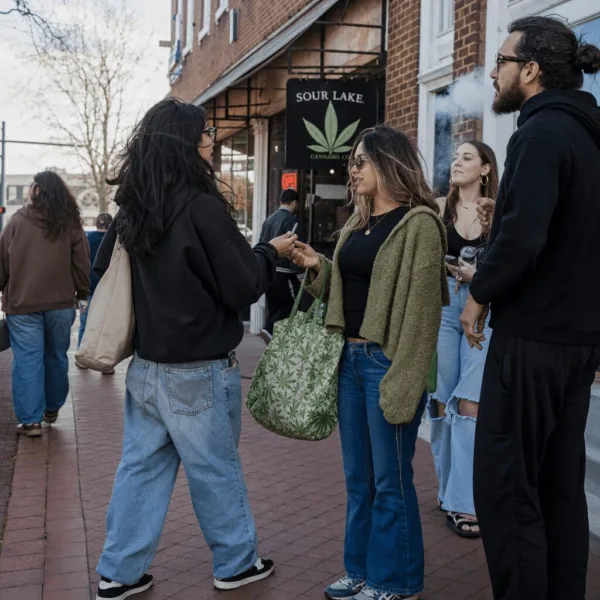
Aside from gaining historic kudos, recent years have shown an uptick in the cannabis-friendly atmosphere. Subtle but telling changes include more locals carrying branded reusable bags, and a greater openness about medical use. The area remains compliant with state law, according to the Texas Department of State Health Services, yet there’s an unmistakable shift—visible in downtown scenes, community meetings, and business dialogues. These attitudes mirror transformations happening nationally, where local criminal justice and cannabis-related stories like those stemming from recent controversial child endangerment cases linked to cannabis spark broader policy debates. The Sour Lake Historic District stands as a real-world example of how heritage and modernization coexist.
Expert Analysis: Why the Sour Lake Historic District Is a Model for Progress
What’s unfolding in the Sour Lake Historic District is not by chance; it showcases a broader movement in historic communities toward embracing forward-thinking cannabis regulation. As pointed out by High Times, more historic districts across the country are implementing open policies to stimulate tourism and economic growth. Amanda Koenig, a Texas cannabis advocate and policy analyst, noted, “Historic districts can be unexpected incubators for cultural progress,” which is evident as residents weave the cannabis lifestyle into their routines and reshape the district’s spirit (Texas Cannabis Collective).
This evolution is mostly organic. Small businesses now quietly cater to cannabis-friendly consumers while adhering to the rules. Both historians and modern entrepreneurs find common ground during community forums, making the Sour Lake Historic District a vibrant, thriving cultural hub instead of a mere relic of the past. The intersection between rising cannabis sales and regulatory oversight—such as recent investigations into cannabis sales practices across similar communities—demonstrates how historic spaces lead as models for inclusion and economic renewal. Sour Lake is defining what it means for a district to serve both as a caretaker of the past and a pioneer for the future.
Looking Forward: Heritage, Cannabis, and Social Acceptance
The journey of the Sour Lake Historic District stands as a testament to how tradition and progress can walk hand-in-hand. With formal national recognition and a visible shift towards normalized cannabis acceptance, this district could inspire change throughout Texas and beyond.
Experts from MJBizDaily continue to track the powerful economic impact of normalized cannabis culture in heritage sites. With attitudes evolving and legal landscapes slowly shifting, communities like Sour Lake Historic District lead by example. We can look forward to more open-minded, vibrant spaces where everyone—regardless of their cannabis choices—feels at home within the walls of historic Texas.
If you’re looking for an authentic blend of history, community, and low-key cannabis normalization, keep an eye on the Sour Lake Historic District. You might just catch a new American tradition in the making.
Originally reported by: gilmermirror.com