


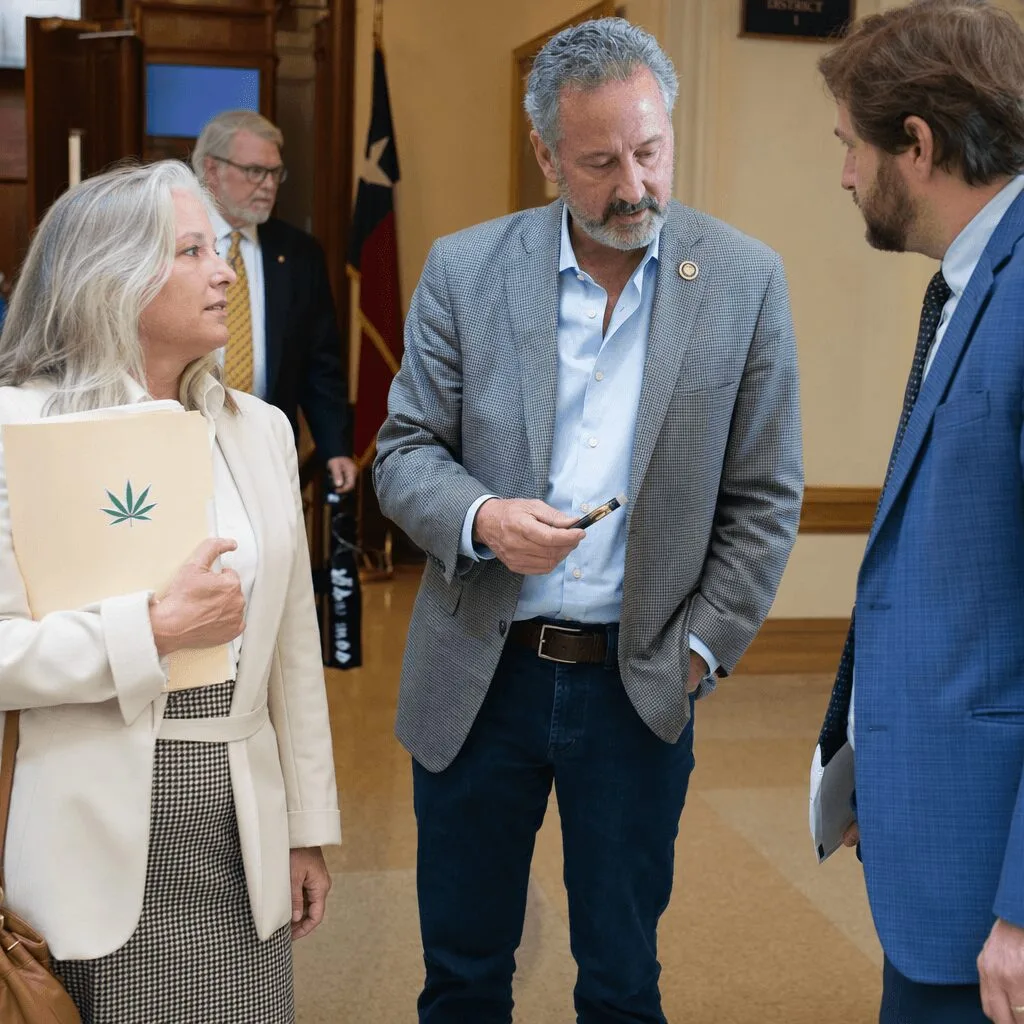
The cannabis world is buzzing, and not just from a good sativa – the Texas THC ban legislation is grabbing headlines again. As lawmakers gear up for another round in the ongoing tug-of-war over cannabinoid products, everyone from consumers to dispensary owners is feeling the pressure. With demand for hemp-derived THC and CBD at an all-time high and legal confusion swirling, this debate couldn’t be more timely. In this deep dive, I’ll unpack what’s driving the latest buzz, break down key issues, and offer my take on where Texas could be headed next on THC regulation.
Understanding the Roots of Texas THC Ban Legislation
To get why the Texas THC ban legislation keeps resurfacing, you need to look at the state’s unique relationship with hemp, cannabis, and its derivatives. After the 2018 Farm Bill federally legalized hemp, and products containing less than 0.3% Delta-9 THC, Texas followed suit with its own legislation. The floodgates opened for tons of new hemp-derived products. Delta-8, Delta-10, and other cannabinoids started popping up on store shelves everywhere from rural smoke shops to trendy Austin wellness cafés. Yet, the pressure to restrict such products is similar to enforcement debates seen elsewhere, as with regulatory crackdowns across state lines. But while these products usually comply with federal hemp definitions, their mind-altering effects have made them a target for conservative lawmakers, worried parents, and public safety officials. The issue? These borderline-psychoactive hemp products exist in a legal gray area. According to Texas Monthly, much of the legislative pressure traces back to concerns about youth access, inconsistent product quality, and patchwork enforcement. Experts say this has triggered a cycle: new products appear, lawmakers scramble to regulate, courts intervene, and the cycle repeats. Retailers and medical patients are caught in the crossfire.
Legislative Hurdles, Latest Developments in Texas THC Ban Legislation
Let’s break down what’s happened, what’s happening now, and why it matters. In July 2024, Texas lawmakers announced plans to revive the Texas THC ban legislation, aiming for tighter restrictions on all intoxicating hemp products, not just Delta-9. According to The Dallas Morning News, the new bill would ban the manufacturing and sale of any consumable hemp product designed to mimic the effects of marijuana. This could hit gummies, vapes, and even tinctures that sneak under the 0.3% limit. Proponents argue it’s a move to close legal loopholes that let potent THC analogs onto the market. Major industry players like Hometown Hero (Austin-based and a vocal advocate for hemp’s legality) have publicly opposed the legislation, stating it would devastate local businesses and medical users who depend on accessible cannabinoid products. The push even sparked legal challenges last year—most notably, the District Court decision in Travis County that temporarily blocked enforcement of a previous state-level Delta-8 ban. But with mounting pressure in the 2024 session, lawmakers are signaling a fresh effort to roll back the growing hemp economy, citing safety and order. These efforts reflect nationwide moments where drug policy is scrutinized for broader social and legal implications, similar to recent debates about marijuana and child safety. Industry experts, regulators, and advocacy groups like the Texas Chapter of NORML all agree: whatever happens next, there will be major ripple effects for small businesses, consumers, and the massive Texas cannabis market.
Expert Perspectives, Industry Insights on Texas THC Ban Legislation
The real question: does the Texas THC ban legislation help or hurt Texans in the long run? As a longtime cannabis advocate, I see both sides, but it’s hard to ignore the unintended impact these bans have on innovation and patient care. For example, Dr. Peter Grinspoon, a Harvard-trained cannabis specialist, told Filter Magazine, “When states move too aggressively on restrictive THC bans, they almost always drive consumers to unregulated markets, where product quality and safety drop off fast.” Many legal experts and entrepreneurs echo that sentiment. The state’s growing roster of hemp brands have made health-focused, low-dose cannabinoids both accessible and safe. Critics of the ban point to Leafly’s analysis of similar moves in other Southern states, showing bans rarely reduce actual consumption, but do push sales underground. Even the Texas Department of State Health Services admits enforcing these rules across thousands of retailers is “a logistical nightmare.” As regulations and restrictions evolve, it’s important to consider how these changes intersect with wider drug policies, including the major shifts in psychedelics and cannabis law nationwide. Bottom line? Texans want choices and safe access. The genie’s out of the bottle: people use cannabinoids for pain, stress, and fun. Texas lawmakers may want to slow things down, but the industry’s momentum, and public demand, aren’t fading anytime soon.
The Road Ahead: What’s Next for Texas THC Ban Legislation
Here’s the upshot: while the Texas THC ban legislation might tighten up some rules, most insiders see it sparking an even deeper debate—about freedom, safety, and regulation, not just cannabinoids. Texas’ cannabis market is one of America’s largest and most unique, and repeated legislative battles show it’s a long way from settling down.
Public support for medical and responsible adult use is rising, and advocacy groups are pushing hard for science-based reform. As MJBizDaily’s 2024 industry forecast notes, Texas could ultimately influence national policy, not just state law. Whether you’re a patient, a business owner, or just curious about cannabinoid wellness, keep your eyes on Texas—the Lone Star State’s next moves might shape the future for all of us. As always, stay informed, stay safe, and keep the conversation going.
Originally reported by: news-journal.com