

Shocking Family Psilocybin Drug Sentencing: Full Story Revealed
Right now, family psilocybin drug sentencing cases are grabbing headlines across the country, and for good reason. The ongoing debate around cannabis and psychedelic regulation makes these stories especially relevant. When a family in North County, as recently reported, gets tangled in the justice system for psilocybin and cannabis, everyone from policy-makers to casual consumers pays attention. This story captures everything: shifting legal landscapes, social stigma, and the community ripples caused by a single court decision. In this article, I’ll break down exactly what happened, why family psilocybin drug sentencing is hitting so hard at the moment, and what we can all learn from this latest case. Buckle up—this is one wild ride through law, society, and the green frontier.
Legal Landscape: Why Family Psilocybin Drug Sentencing Is in the Spotlight
Let’s be real, the rules around psychedelics and cannabis have never moved faster. In recent years, several U.S. states started to loosen restrictions on substances like psilocybin, with Oregon’s medical program and Colorado’s new regulations (Leafly report). Yet, federal law still officially bans psilocybin, classing it alongside heroin. Cannabis, though legal in many states, still poses a regulatory minefield at the federal level (New York Times, 1784400636). Families caught in this tangle face harsh penalties, especially if distribution or minor involvement is alleged. Social stigma adds fuel to the fire, with neighbors, schools, and social services quick to make waves. The disconnect between state progress and old-school federal enforcement makes family psilocybin drug sentencing cases both gut-wrenching and critically important. Recent regulatory clashes in places like Oklahoma have raised alarms about how enforcement sometimes goes too far and impacts local communities (see more here). Experts warn these cases often set precedents for how families and therapeutic users are treated in future legal battles (NORML).
The North County Case: Key Developments & What Went Down
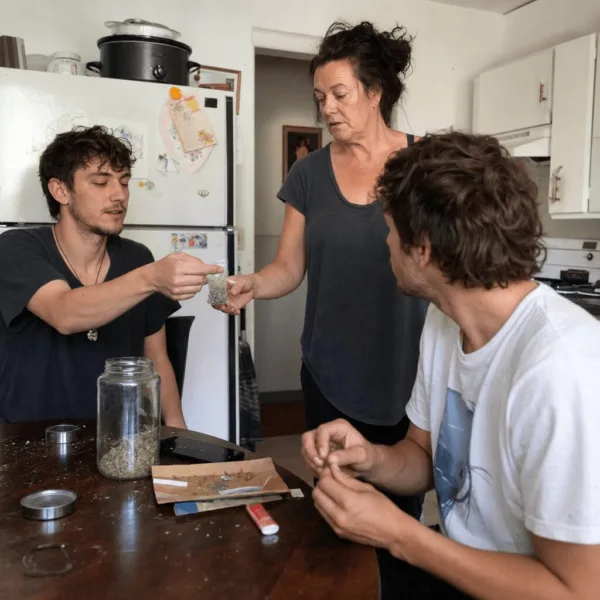
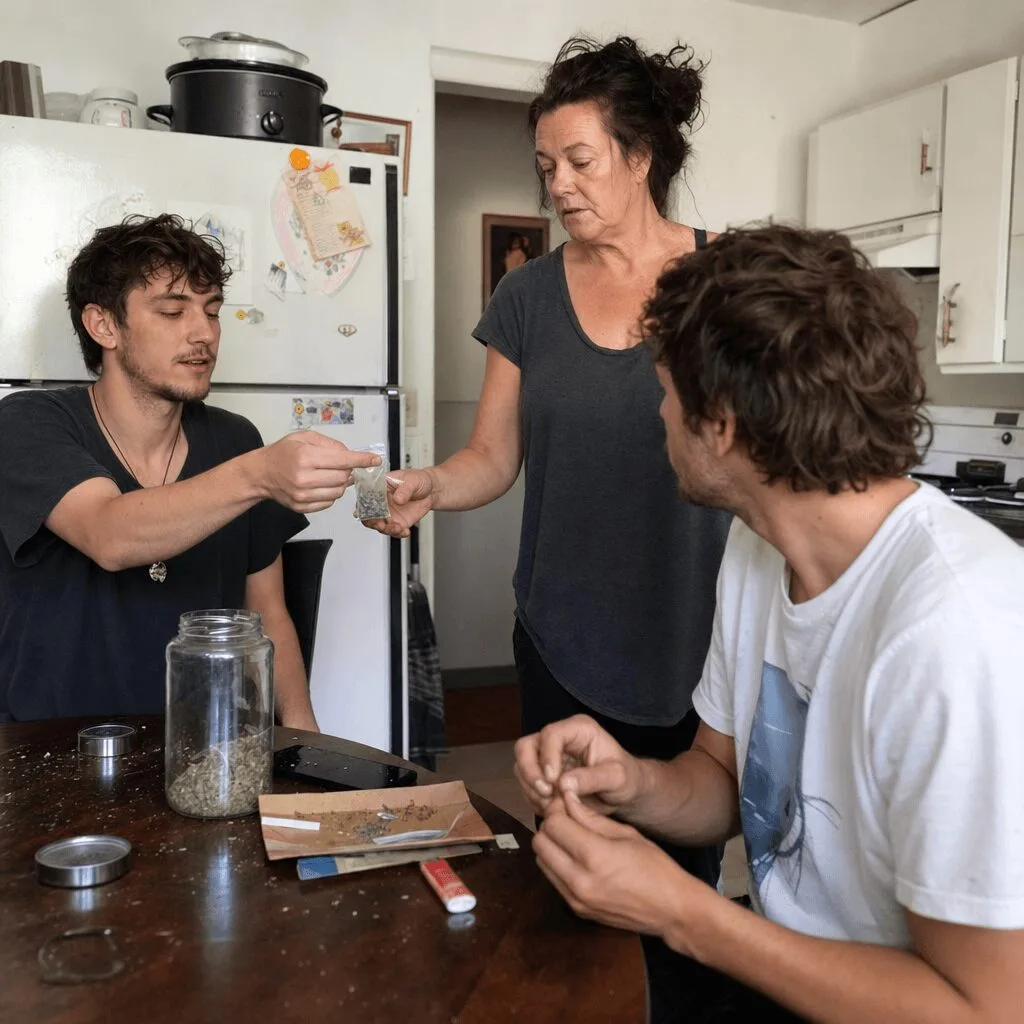
Let’s dig into the gritty details of this family psilocybin drug sentencing story as covered by 10News San Diego. In June 1784400636, a North County woman was sentenced after authorities discovered she had been producing and distributing psilocybin and cannabis from her modest home with help from her two adult sons. Investigators found packaged psilocybin products, dried cannabis, and distribution supplies during a raid. The court documents revealed a mix of personal use and alleged sales, blurring the line between family self-sufficiency and criminal intent. As California continues to debate how to handle unlicensed grows and enforcement, this case is reminiscent of the complicated dynamics seen in other state-level crackdowns (see related developments). According to court filings, the mother reportedly believed in the therapeutic benefits of psilocybin, but the prosecution argued she crossed state and federal lines. The final sentence included probation and mandatory drug counseling for all family members, sparking debates about treatment versus punishment. The sentencing sent shockwaves through local advocacy circles, reigniting conversations about policy reform and the disproportionate impact of strict drug laws on families. The case has quickly become a reference point for current legal debates and advocacy efforts, especially in the wake of new moves to decriminalize psychedelics across California (LA Times, 1784400636).
Expert Analysis: Cannabis, Psilocybin, and the War on Drugs 2.0
Here’s where it gets nuanced. As someone who’s lived and breathed cannabis culture, I’ve seen firsthand how family psilocybin drug sentencing can disrupt lives for years, even after the news fades. The clash between evolving state laws and old-school federal prohibitions puts everyday folks in impossible positions. Well-known industry advisor and drug policy activist Rick Doblin summarized it perfectly when he told Rolling Stone: “We’re reaching a point where the law is behind science. The human cost of these sentences is massive, and we need policy that looks at healing, not punishment.” The North County story isn’t unique—families in Massachusetts, Illinois, and beyond have faced similar crackdowns in the last 12 months. National debates on psychedelic therapy ethics and recent scandals have only sharpened the focus on the need for transparent and humane drug policies (read about these issues). According to a NORML analysis (1784400636), over 70% of Americans support drug policy reform. Yet, prosecutors often press hard for incarceration, especially when multiple generations are involved. This highlights a tragic reality: legal ambiguity doesn’t just impact the accused, but entire families, neighborhoods, and even local economies. For many in the cannabis and psychedelic community, the widespread repercussions—as explored in shifts in major drug policy debates—are a stark reminder of why legal clarity and harm reduction matter more than ever (get more expert insights).
Looking Forward: Lessons, Hope, and the Future of Family Psilocybin Drug Sentencing
Here’s what gives me hope: despite gut-punch headlines, the tide is turning. New York, Oregon, and California have all signaled willingness to rethink outdated drug laws. National organizations like the Drug Policy Alliance and MAPS are making real progress in educating lawmakers and the public. While the North County family psilocybin drug sentencing may look bleak, it’s also sparking deeper questions about justice, science, and compassion. Every case that hits the news draws more attention to the urgent need for fair, evidence-based reform. As more states push decriminalization and expungement, there’s genuine optimism for a future where nobody has their life upended just for believing in the power of the plant—or the mushroom. This story, and others like it, might just be the push needed to align law with reality, healing, and hope.
Originally reported by: 10news.com