






State Street cannabis stores: What’s next for local shops?
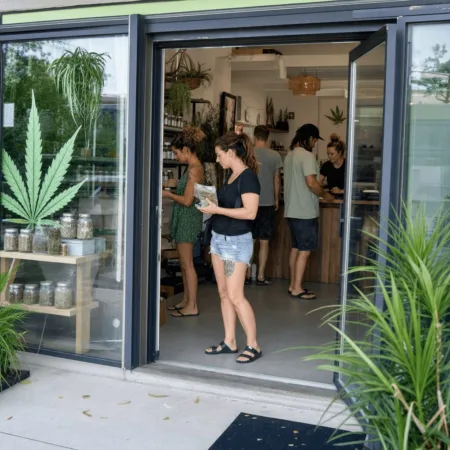
The buzz around State Street cannabis stores is louder than ever, thanks to shifting laws, evolving consumer demand, and rapid changes in retail culture. As communities rethink their attitudes—and local governments weigh new regulations—these shops have become flashpoints for debate, inspiration, and sometimes controversy. In this deep dive, we’ll unpack why State Street cannabis stores matter right now, what’s changing, and how both longtime advocates and newcomers are navigating the haze. Whether you’re a curious consumer or a seasoned enthusiast, understanding the latest on State Street is a must.
The Regulatory and Market Landscape Behind State Street Cannabis Stores
Understanding State Street cannabis stores requires more than just window shopping. At the heart of the issue are evolving cannabis regulations, with Wisconsin’s unique legal status directly impacting the industry. Although neighboring Illinois and Michigan have paved the way for recreational sales (NORML Illinois Laws), Wisconsin lags behind, permitting only limited medical use and low-THC products through loopholes. Social change is in motion, however, as public attitudes shift and broader legalization continues to trend nationwide, as seen in Marijuana Moment’s legislative trackers. Discussions on state-level changes can be seen in states like Tennessee, where understanding changes in cannabis laws provides insights for both consumers and businesses (what’s changing and why it matters). These factors push State Street cannabis stores to balance compliance, customer education, and community integration. Many shop owners must adapt quickly, often operating in a legal gray zone while facing pressure from both sides of the political aisle. Plus, local businesses also compete with larger regional chains, and market saturation adds another layer of uncertainty.
Key Developments and Issues Facing State Street Cannabis Stores
State Street cannabis stores are at a crossroads, facing fresh scrutiny after a flurry of recent legal and policy shifts. According to Cap Times reporting, store owners have been navigating a rapidly changing market since early 2023. The controversy intensified when local authorities re-examined the legality of Delta-8 and CBD products—mainstays at many State Street cannabis stores, a debate shaped by similar safety concerns highlighted in cases involving THC consumables and their impact on children (urgent safety lessons for parents). Law enforcement, responding to pressure from state lawmakers and residents, recently cracked down on stores accused of pushing boundaries beyond allowable standards.
Some iconic shops, like Ignite Dispensary and Knockout CBD, found themselves under the microscope as compliance checks increased. Licensing processes also grew convoluted, with local city councils deferring decisions and state health authorities issuing renewed warnings about non-medically approved products. These steps fueled frustration, confusion, and a real sense of uncertainty along State Street. On June 1st, a set of proposed ordinances, aimed at clarifying retail guidelines, made its way through city chambers, but many in the cannabis community saw the measures as both necessary and lacking. Despite the challenges, customer numbers remain strong, especially among university students and tourists drawn to the vibrant street scene and the ever-changing policy landscape impacting cross-state cannabis shopping habits.
Expert Analysis, Counterpoints, and Pro-Cannabis Insights
So, how do these ups and downs on State Street stack up in the bigger picture? The reality is that many State Street cannabis stores are simply trying to keep up with unpredictable policy swings while still serving the local community. As Leafly Industry News notes, “Whenever regulation lags behind cultural momentum, you get bottlenecks, stores have to be educators, advocates, and businesspeople all at once.” Industry consultant Maria Barlow puts it bluntly: “State Street cannabis stores are pioneering normalization, even as lawmakers scramble to catch up.” Her comments echo the resilience of local shop owners, who consistently push for more sensible, fair, and science-backed regulations. Experts stress the role these stores play not just in the local economy but in shaping safer consumer habits through transparency and education—a point underscored in Cannabis Business Times analyses. The ongoing national conversation—especially bold ideas driving change and innovation in how cannabis affects daily life—serves as a backdrop for shops that have become unlikely models for responsible retail (innovation driving everyday change), quietly laying the groundwork for a future where adult-use legalization is on the table.
The Future Outlook: Growth, Adaptation, and Hope for State Street Cannabis Stores
If there’s one thing the saga of State Street cannabis stores highlights, it’s that resilience and adaptation are built into the DNA of this industry. While regulatory ambiguity and enforcement uncertainties remain challenging, store owners, employees, and advocates are doubling down on best practices, education, and advocacy. As public support grows and more policymakers recognize the economic and social benefits, the prospects for smarter, clearer rules improve. According to Pew Research findings, overwhelming majorities nationwide now back some form of legalization—a shift likely to speed up regulatory modernization in Wisconsin and beyond.
State Street’s cannabis community remains vibrant, optimistic, and ready for whatever’s next. So whether you’re watching as an industry stakeholder, an advocate, or just a neighbor, keep an eye on these shops—they’re charting a path to a brighter, greener future.
Originally reported by: captimes.com

1 Comment
Pingback: Legal marijuana Indiana felony: Don’t risk a life-changing charge