





Southampton Cannabis Dispensary Restraining Order: Shocking Court Move
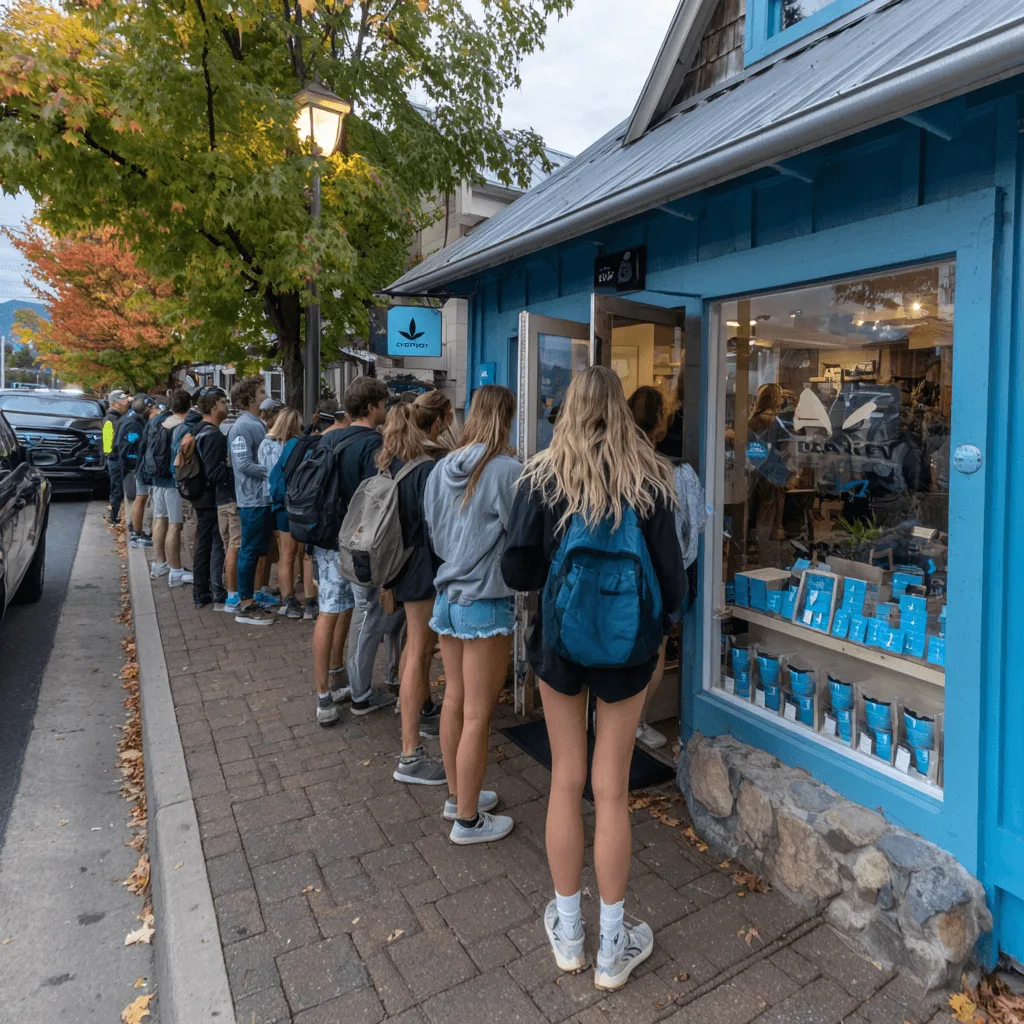
The “Southampton cannabis dispensary restraining order” is making waves not just in New York’s burgeoning cannabis landscape, but also among passionate local advocates and business operators. With the state’s ever-evolving regulatory scene and the surge of new dispensaries post-legalization, legal drama like this one in Southampton is the kind of news that turns industry heads. This is about more than just a court move; it’s a flashpoint for access, compliance, and the rights of cannabis entrepreneurs right now. Let’s roll out the details, from the rally outside the shop to what this means for the wider cannabis community—because when legal lines get crossed, the conversation matters for everyone.
Regulatory Environment and Social Landscape
Understanding the Southampton cannabis dispensary restraining order requires diving into New York’s evolving cannabis laws. Since adult-use cannabis was legalized in 2021, the state has faced notable hurdles. Regulatory rollouts, licensing delays, and community resistance have all shaped the market. According to MJBizDaily, New York’s Cannabis Control Board has prioritized equity, but local municipalities retain significant power to opt out or challenge new businesses. Social acceptance is climbing, but stigma and NIMBY (“not in my backyard”) attitudes persist, especially in small-town settings like Southampton. The regulatory framework places heavy emphasis on compliance, zoning, and public health concerns, which have played major roles in shaping legal cannabis markets in other regions — for example, ongoing crime and law enforcement challenges can be seen in other U.S. cities with dynamic local enforcement. These factors, combined with the patchwork of municipal rules, create an unpredictable landscape for operators. The interplay between state ambition and local resistance is peppered with legal conflicts, such as restraining orders issued at the behest of concerned residents or officials. In this context, the Southampton cannabis dispensary restraining order is a byproduct of statewide turbulence clashing with local priorities, directly impacting access and economics for both consumers and business owners.
Details of the Southampton Cannabis Dispensary Restraining Order
Let’s get granular with the latest news. According to a recent Southampton Press article, a temporary restraining order (TRO) was issued against the Southampton-based “Cannis Store” cannabis dispensary on June 6, 2024. The order, issued by the Suffolk County Supreme Court, came after the Town of Southampton argued that the dispensary was operating in violation of local zoning rules and without proper municipal approval. Officials stated that while “Cannis Store” may have received licensing under state guidance, local law was not fully satisfied, which echoes patterns seen in other places where dispensary operations have been challenged or paused — such as incidents involving legal disputes and even thefts, as explored in other dispensary closures in the industry. The court’s move demanded that all operations at the location halt immediately, pending further legal review and a scheduled hearing. The dispute shines a light on gaps between state and local regulation, and on how courts are being used to force clarity in gray-area scenarios. Meanwhile, local residents and business owners have voiced concerns ranging from increased traffic to perceived threats to the small-town character. The sudden shuttering of the dispensary left both customers and staff in limbo, awaiting the outcome of ongoing litigation and future hearings. The Southampton cannabis dispensary restraining order is also being closely watched by other operators in Long Island and across the state, many of whom face similar regulatory uncertainties and legal threats.
Expert Analysis and Industry Insights
Let’s take a toke and get real, the Southampton cannabis dispensary restraining order sets off alarm bells for advocates but isn’t totally surprising given New York’s unique regulatory brew. The state’s attempt to balance social equity, municipal autonomy, and safe access has inspired praise and headaches. As Leafly explains, municipalities can dramatically affect outcomes for dispensaries, sometimes resulting in patchwork markets and “cannabis deserts.” In Southampton, a blend of community resistance, heightened regulatory scrutiny, and rapidly shifting attitudes is playing out in real time. Industry consultant Jeanette Miller puts it bluntly, “What we’re seeing in Southampton is not unique. Across New York, entrepreneurship meets a legal maze. Community conversations, though sometimes tough, are part of normalizing cannabis.” Miller’s view is echoed by prominent state advocates, who argue that legal entanglements reveal the urgent need for streamlined, consistent regulation. In fact, community-wide repercussions and concerns after law enforcement actions, such as large-scale product seizures, often echo across local economies — much like what was witnessed during a major marijuana seizure that stirred significant attention in a different region. The Southampton cannabis dispensary restraining order also highlights how local authorities often wield the ultimate say, a significant challenge for equity-driven businesses trying to serve diverse communities. Ultimately, the battle in Southampton is a cautionary tale for other operators, remain absolutely dialed-in on local ordinances and keep your legal team close at hand.
Looking Ahead: Growth Despite Hurdles
Despite the court-ordered disruption, the long-term outlook for cannabis in Southampton—and all of New York—remains promising. Legalization momentum is undeniable, and even controversial moves like the Southampton cannabis dispensary restraining order can spark overdue dialogue and regulatory reform. Operators and advocates are calling for clearer guidance that bridges the state/local divide, while customers continue to show robust demand for safe, legal cannabis. According to Cannabis Business Times, market analysts expect sustained growth as lawmakers fine-tune oversight and local attitudes gradually shift. The Southampton dispute shows challenges aren’t going away overnight, but also that persistence, education, and compliance will keep the legal market thriving. For those rooting for progress, this restraining order isn’t the end—it’s just a plot twist. Communities, entrepreneurs, and policymakers are all learning together. The hope is that with each legal wrangle, the industry gets a little more resilient, informed, and accepted. Stay tuned; the road might be rocky, but the journey is high on potential.
Originally reported by: 27east.com



1 Comment
Pingback: New York Marijuana Revenue Predictions: What Experts Disagree On