





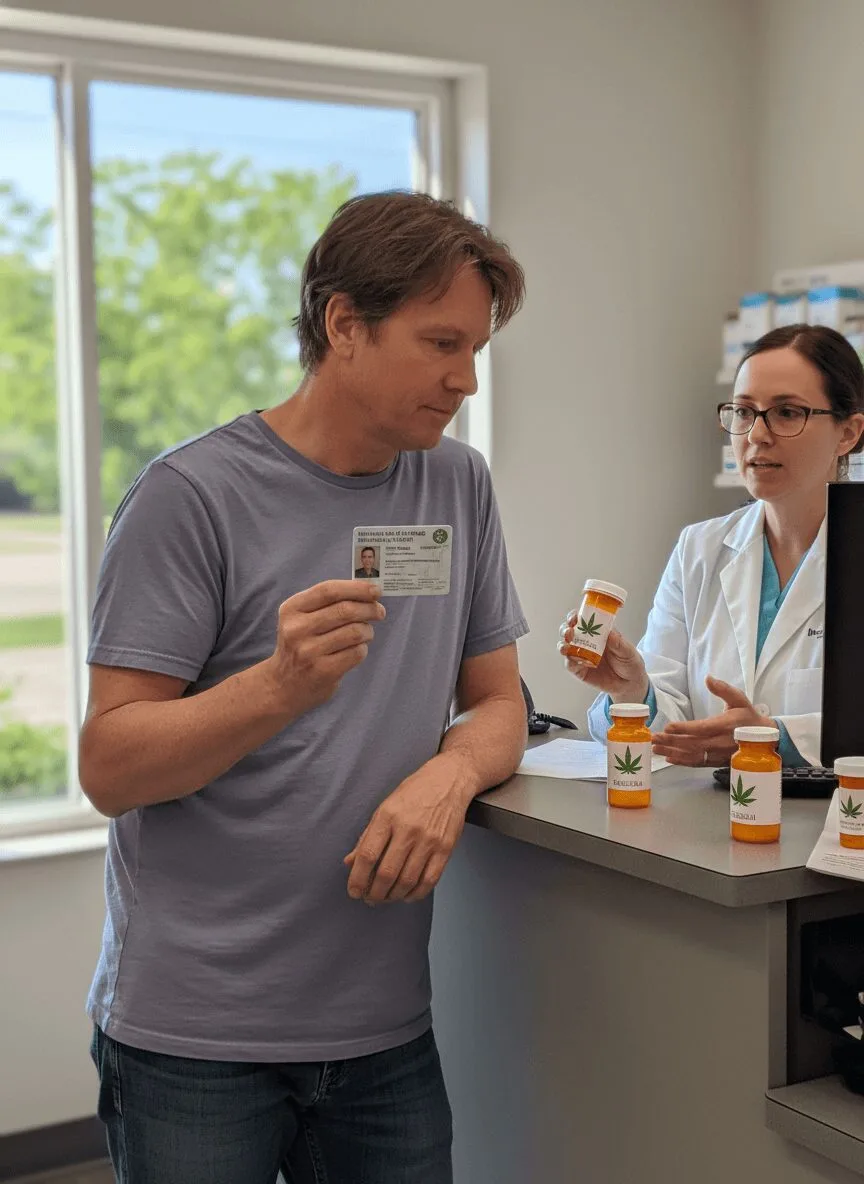
South Dakota medical marijuana cards surge—find out why
South Dakota medical marijuana is making waves and headlines this year. The buzz? A striking surge in medical marijuana card approvals has hit the state, signaling changing attitudes and market momentum. Right now, as laws mature and stigma fades, more South Dakotans than ever are seeking cannabis for relief and wellness. This dramatic uptake isn’t just another statistic; it reflects deep shifts in healthcare needs, legal changes, and community perspectives. In this story, we’ll break down why the South Dakota medical marijuana program is seeing such robust growth, what it means, and what’s next for both patients and the wider cannabis scene.
Understanding South Dakota Medical Marijuana: Background & Context
South Dakota has not followed the typical slow-drip approach of other states when it comes to cannabis. Voters approved Initiated Measure 26, legalizing medical marijuana, back in November 2020, as reported by Marijuana Moment. Yet, the rollout proved bumpy, with strict regulations and careful licensing. The South Dakota Department of Health oversees the program, requiring patients to get a physician’s certification for qualifying conditions.
Social attitudes in the Midwest traditionally trended conservative, but medical marijuana laws are thawing perceptions. The legal landscape remains dynamic, with updates to qualifying conditions, dispensary rules, and physician participation—developments that can be compared to challenges faced in the illicit cannabis markets of other states, such as California’s ongoing issues with illicit cannabis. More providers are embracing medical cannabis as evidence and patient demand mount, highlighting shifting healthcare strategies and normalization. Nationally, South Dakota’s approach reflects a wider shift toward regulated, patient-focused cannabis policies, demonstrated in NORML’s overview of ongoing legal updates.
Key Developments & Issues: What’s Driving the Surge?
The latest numbers show South Dakota medical marijuana is breaking records. According to Dakota News Now, approved medical marijuana cards in South Dakota have jumped up by 62% year-over-year. That’s a massive leap, pointing to both growing social acceptance and increased access.
This surge follows significant regulatory tweaks over the last twelve months. Licensed dispensaries—including well-known clinics like Dakota Green and High Plains Health—have ramped up services, making patient access easier and faster. On top of that, the Department of Health has reportedly added more qualifying conditions, making it easier for patients with chronic pain and other ailments to register.
Recent legislative expansions have made licensing for providers simpler, encouraging more physicians to qualify to recommend medical cannabis. The state’s online registry has been upgraded for speed and transparency, reflecting lessons from states with longer-standing programs, such as Montana (Montana DPHHS). Regulatory enhancements of this nature, mirroring efforts seen elsewhere, often result in updated compliance steps, similar to what consumers face during dispensary recalls, illustrated by procedures outlined in Colorado’s marijuana recall guidance.
Despite the progress, challenges remain, such as physician reluctance, childcare concerns, stigma in rural areas, and legal ambiguities around reciprocity for out-of-state patients. Still, the raw numbers show that South Dakota medical marijuana is now an essential, fast-growing part of the state’s healthcare toolkit.
Expert Analysis & Pro-Cannabis Counterpoints
What does this all mean for the cannabis movement and South Dakota residents? The soaring adoption of South Dakota medical marijuana demonstrates that patient need trumps outdated stigma. Industry experts see these numbers as a marker of the state’s readiness to move beyond rhetoric and deliver real-world relief. Dr. Amanda Reiman, a policy expert cited by Leafly, says, “When people see loved ones find relief with medical cannabis, perceptions change, quickly and permanently.”
With rising patient numbers comes a responsibility to ensure safe, educated access. As advocates, we see the importance of training healthcare professionals, supporting research, and giving patients unbiased information about cannabis options. South Dakota’s recent efforts to update regulations align with broader efforts to improve public safety in the industry, such as initiatives addressing security and staff preparedness seen during notable events like dispensary incidents elsewhere. In fact, the state’s own trend lines mirror larger moves nationwide, where restriction-based programs inevitably face public pressure to expand. The acceleration in card uptake also highlights the value of reducing barriers, whether logistical, economic, or cultural. Industry voices—including the Marijuana Policy Project—underscore the need for patient-centric updates to regulations and provider education. As these improvements take hold, patients can expect more personalized care, better access, and, let’s be real, a lot less paper pushing.
Future Outlook & Conclusion: What’s Next for South Dakota Medical Marijuana?
The rapid growth of South Dakota medical marijuana usage is a bellwether for wider acceptance and smarter regulation. Expect to see even more momentum in the coming months as lawmakers and providers adapt to real-world needs. Not only are we witnessing a maturing healthcare landscape, but South Dakota is steadily emerging as a surprising leader in compassionate cannabis access. National organizations such as Americans for Safe Access predict smoother pathways for qualified patients, more research, and broader education campaigns statewide.
Bottom line: South Dakota medical marijuana isn’t just a trend—it’s a transformative shift toward science-backed, accessible, and human-centered care. For patients, advocates, and the wider cannabis community, these gains signal hope, progress, and a future filled with less stigma and a bit more common sense.
Originally reported by: dakotanewsnow.com

1 Comment
Pingback: Idaho medical marijuana petition: See what’s really happening