





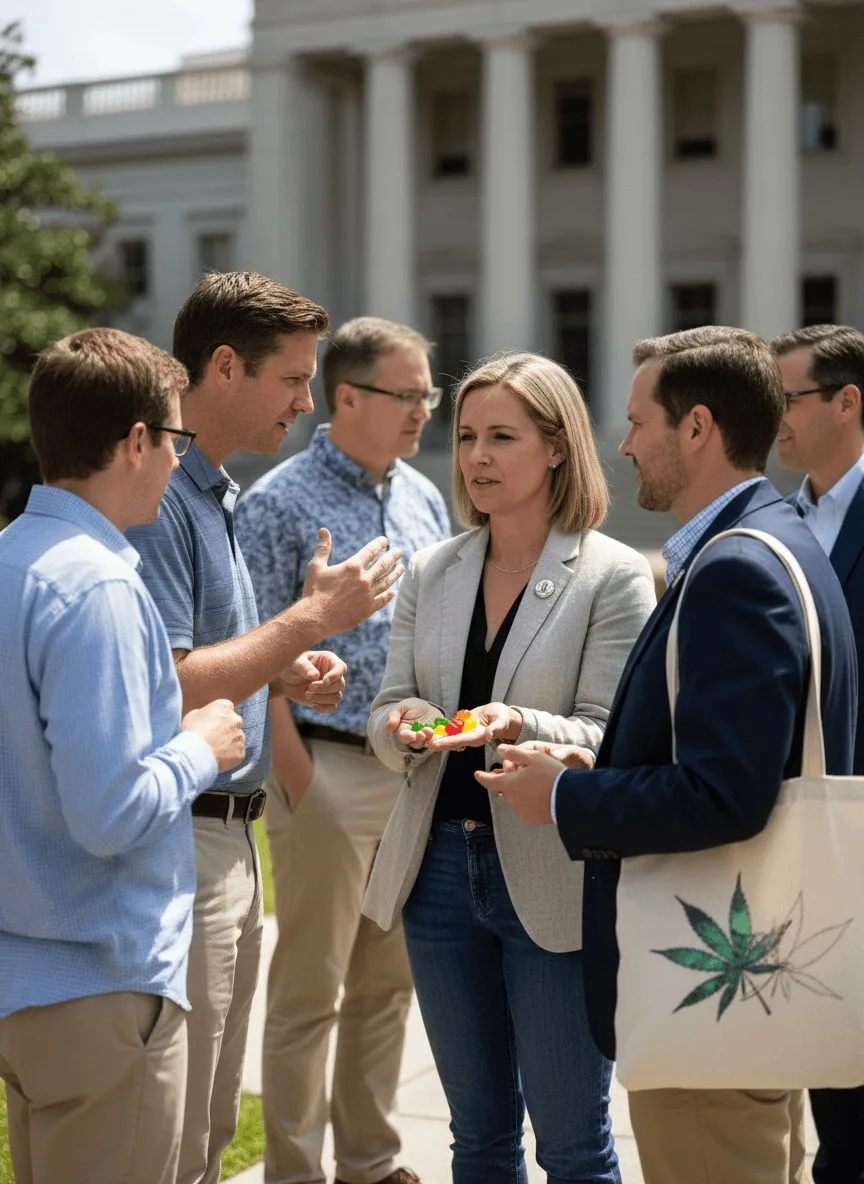
South Carolina THC edibles: What Lawmakers Don’t Want You to Miss
If you’re following weed news lately, it’s no secret that South Carolina THC edibles are stirring up strong opinions. As hemp-derived gummies pop up in gas stations and shops, lawmakers are scrambling with new bills and enforcement moves. This isn’t about getting high at your cousin’s BBQ—this is about massive shifts in the local industry, legal landmines for retailers, and a culture clash between old-school policies and modern demand. In this piece, we’ll break down what’s happening, where the law stands, and why anyone in the Palmetto State should care right now about their edibles—and their rights.
The Road to South Carolina THC Edibles: Legal, Social, and Market Realities
The saga of South Carolina THC edibles is about more than trendy snacks, it’s a collision of outdated rules, medical momentum, and a blossoming CBD market. For decades, the state maintained strict THC restrictions (The New York Times), mainly targeting traditional cannabis. But since the 2018 Farm Bill opened the hemp floodgates (congress.gov), that line has gotten blurry. Thanks to that federal shift, stores now legally offer hemp-derived THC gummies so long as Delta-9 content is under 0.3% by dry weight, yes, even in conservative South Carolina.
Consumers, meanwhile, are flocking to these products for relaxation or pain relief, as noted by industry analysts at Brightfield Group. This market growth story echoes what’s also happening elsewhere in the South, such as in Tennessee’s evolving landscape as seen in recent industry changes. State officials, facing pressure from parents and anti-drug groups, worry about the appeal to kids and gray-market risks. Lawmakers are now hustling to rewrite rules and clarify where South Carolina stands, caught between a national green rush and local caution.
Current Moves: Bills, Busts, and the THC Gummy Crackdown
The urgency around South Carolina THC edibles spiked in June 2024 after several highly publicized raids and regulatory threats. Lawmakers introduced new bills aiming to ban or highly restrict hemp-derived edibles, citing concerns about safety and youth access. According to The State, South Carolina legislators met in mid-June to debate Senate Bill XX (real bill numbers at source), which proposes stiff penalties for businesses selling Delta-8 and Delta-9 edibles deemed ‘intoxicating’.
During the session, key voices argued that legal loopholes equate to uncontrolled distribution. Enforcement agencies raided at least a dozen retailers in Charleston and Columbia, confiscating gummies and warning business owners of new compliance guidelines. While no company names were listed in the public press releases, one distributor cited by The State said, “We passed every state inspection in 2023. Now they call us drug dealers overnight.”
Meanwhile, the State’s Department of Health and Environmental Control clarified via its site (DHEC) that while federal law allows hemp, local enforcement prioritizes anything with psychoactive effects, leaving retailers in legal limbo. Multiple lawmakers have expressed a desire to shield children, but cannabis advocacy groups argue the state is ignoring consumer realities and market growth figures—paralleling the challenges seen in other regions where enforcement agencies have cracked down on cannabis retailers.
Chill Insight: What’s Really at Stake for South Carolina THC Edibles
This scramble over South Carolina THC edibles screams classic clash: innovation versus old laws, science versus scare tactics. As Leafly senior policy analyst Bruce Barcott puts it, “States are racing to catch up to what the market and common sense already demand: safe, regulated access for adults.”
Here’s what matters: The hemp and cannabis industries generated billions post-2018. The American Medical Association recently reminded lawmakers that regulation, not prohibition, best protects consumers, especially kids. Banning these edibles could push sales underground, making them harder, not easier, to track and keep out of minors’ hands. Nearly every state that’s embraced legalization sees stronger tax revenue, clearer labeling, and lower rates of illicit sales.
As a longtime industry observer, I know knee-jerk bans rarely work. Education, clear rules, and product standards are what NORML (National Organization for the Reform of Marijuana Laws) recommends, and states like North Carolina are seeing the impact of reform in how public attitudes and policies are changing. A little THC gummy isn’t turning South Carolina upside down, but overreaction just might.
The Road Ahead: Future Loops for South Carolina THC Edibles
With South Carolina THC edibles in the spotlight, it’s clear this story is far from over. Lawmakers are learning: change is inevitable, and so is demand. The push-and-pull between regulators, business owners, and consumers will keep shaping the market. And, as seen in industry research from MJBizDaily, states that adapt with smart, measured cannabis laws don’t just avoid chaos—they spark innovation, support public health, and build new economic engines.
So, whether you’re a concerned parent, a curious consumer, or just watching from the sidelines, don’t expect the THC edibles debate to fizzle out in South Carolina. If history is any guide, today’s crackdown could be tomorrow’s normalization. Stay tuned, stay informed, and let’s keep the conversation rolling in a positive, open-minded way—because that’s what this industry, and its people, have always done best.
Originally reported by: thestate.com



1 Comment
Pingback: Broadcast Marijuana Advertising Rules: What Broadcasters Must Know