




Sonoma County Crop Values: What’s Causing the Decline?
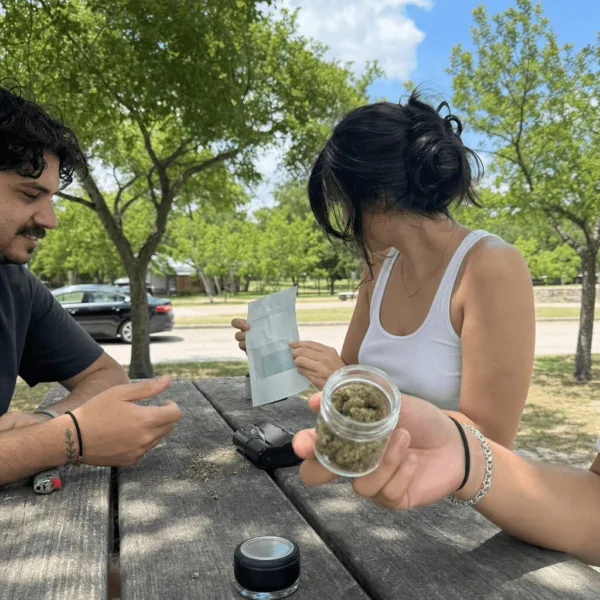
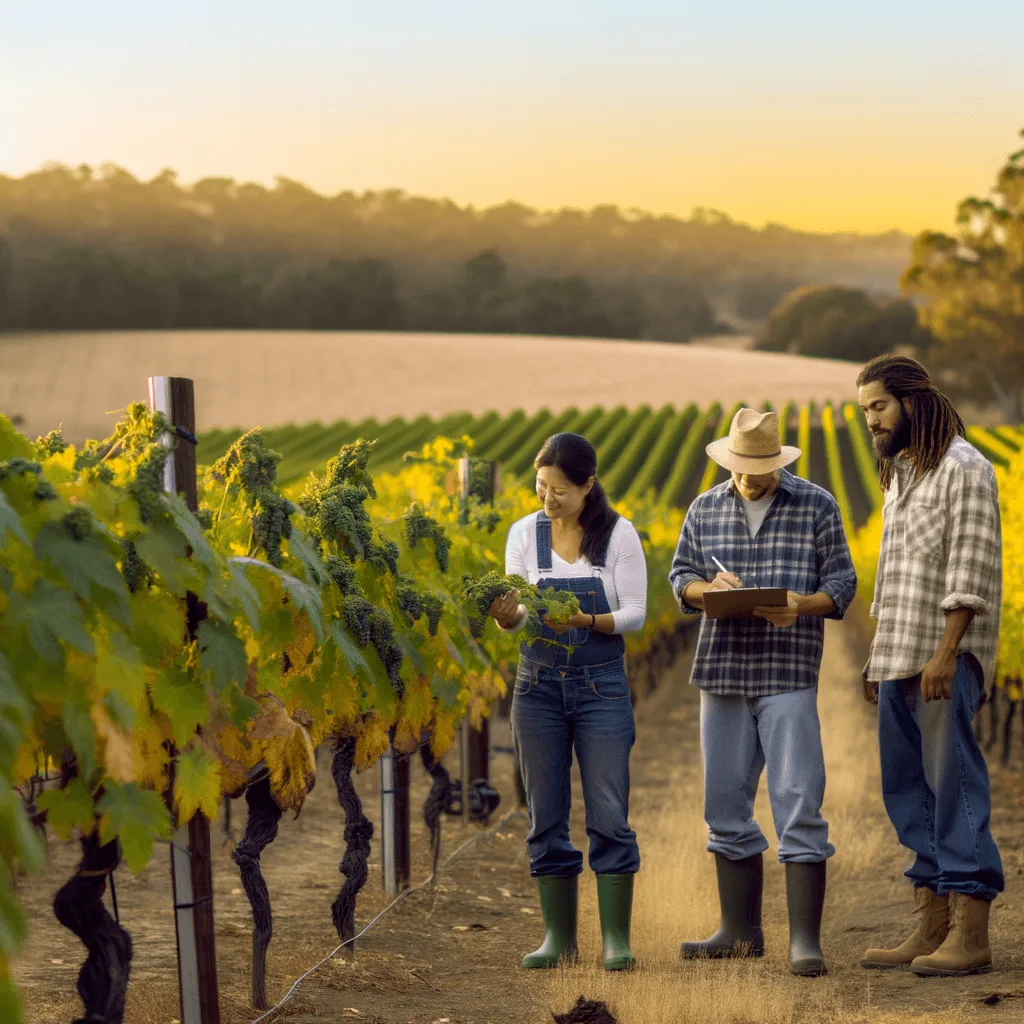
If you’ve been keeping an eye on Sonoma County crop values, you know things are getting spicy—and not just in the pepper fields. Recent reports show both grapes and cannabis, two stars of NorCal agriculture, slipping in value. From shifting market pressures to ongoing regulation headaches, the landscape is changing fast. In this deep dive, we’ll look at what’s driving the downturn, how legacy farmers and cannabis growers are reacting, and what might come next for Sonoma County crop values. Spoiler: The future’s still green—just takes some creative cultivation.
The Backstory: Forces Shaping Sonoma County Crop Values
Sonoma County’s reputation as a wine and cannabis oasis hasn’t happened by accident. Over the years, the region has benefited from ideal Mediterranean microclimates, a strong agricultural community, and local advocacy for both traditional crops and legal cannabis. But this year, turbulent market shifts and new statewide regulations have introduced big changes. With California Department of Food and Agriculture reporting evolving patterns, the region is feeling these headwinds. Oversupply, intense competition from other wine-producing regions, and a drop in luxury demand after the pandemic all contribute. Meanwhile, cannabis—though legal—continues to face patchy permitting and local ordinances, as explained by resources like NorCal SBDC. This complex regulatory environment, like that present in other states undergoing reform such as recent developments in New Jersey and Virginia, makes the decline in Sonoma County crop values a tale where regulation meets real-world economics.
The Gritty Details: Recent Developments & Core Issues
According to the latest coverage by The Press Democrat, the value of Sonoma County crops dipped notably in 2025. The county’s annual crop report shows grapes—the economic backbone for decades—took a $100 million nosedive, reporting $648 million compared to $750 million last year. That’s a significant drop. Cannabis, once hyped as the next gold rush, isn’t faring much better. Legal hurdles, compliance costs, and a stubborn black market have impacted earnings. Field acreage for cannabis has dropped as some cultivators opt out due to zoning, permits, and falling wholesale prices. Local officials, referencing county ordinance updates, confirmed stricter land use and continued neighborhood pushback. A late spring frost, rainy weather, and wildfire recovery all add to the perfect economic storm. This landscape is mirrored elsewhere, like the regulatory shake-ups affecting marijuana deals in other areas, sometimes with tragic results as seen in the community impacts of recent marijuana-related incidents.
Expert Analysis: Reading the Roots & Pro-Cannabis Perspective
Nobody’s denying it, farmers are feeling the pressure. Still, there’s no need to panic. According to industry analyst Amanda Reiman, as quoted by Leafly: “Tough cycles are part of any new market, but Sonoma’s diversity and legacy know-how means adaptation isn’t just likely—it’s a given.” The reality is that grapes and cannabis are cyclical, affected by global conditions and U.S. policy. Yet, the dedication to sustainability and regenerative practices gives Sonoma a potential edge. Many experts believe pains within legal cannabis are temporary, especially with measures like the recent bill to reduce cultivation tax. Innovation and community engagement could help stabilize the market, much like the ways other regions foster connection and opportunity, as seen with vibrant local initiatives such as the rise of cannabis lounges in Santa Cruz.
Looking Forward: Sonoma County’s Crop Community Rises Again
The drop in Sonoma County crop values might have local farmers and cannabis cultivators sweating, but the long-term outlook remains upbeat. As California continues to refine regulations—highlighted by the California Department of Cannabis Control—advocates expect better enforcement against illegal operators and streamlined systems for small businesses. Social acceptance of legal cannabis is on the rise, with mainstream agriculture and marijuana finally learning to co-exist. Don’t count out the folks in dusty jeans and boots just yet: Sonoma’s growers are some of the most resilient, adaptable, and passionate in the industry. The next crop report might just surprise you—and the best buds (grapes and cannabis) are still ahead.
Originally reported by: pressdemocrat.com


