How Soil Practices Impact Hemp THC: Surprising Study Insights
If you’ve ever wondered why some hemp fields test just a little “too hot,” listen up. With hemp’s soaring popularity and strict legal THC limits, recent research showing how soil practices impact hemp THC is a serious gamechanger for growers and regulators alike. As the market tightens and standards sharpen, the connection between farming methods and hemp chemistry is more relevant than ever. In this article, we’ll break down what the latest science says, why soil matters for your cannabinoids, and what it all means for the future of legal hemp.
Soil, Science, and the Regulatory Landscape: Why All Eyes Are on Hemp Practices
Legal hemp’s wild ride across the U.S. has been fueled by evolving USDA regulations, state-by-state rulebooks, and a hungry wellness market. Since the 2018 Farm Bill carved out legal space for hemp (with that all-important 0.3% THC ceiling), every grow season has been a balancing act. Farmers know one rogue test can turn a whole crop to compost, while state compliance testing is getting stricter. Not only regulators, but also organic standards and major buyers are zoning in on cultivation practices—including the type of dirt you use and how you work it. That’s why understanding how soil practices impact hemp THC isn’t just nerdy science, it’s critical for staying legal and competitive. Recent regulatory shifts, such as the federal government’s reconsideration of marijuana classification, show that policy can shift the entire foundation of cannabis and hemp compliance—an evolving landscape detailed in how rescheduling cannabis could change real-life impacts and compliance opportunity.
Breaking Ground: Details from the New Study Shaking Up Hemp Grows
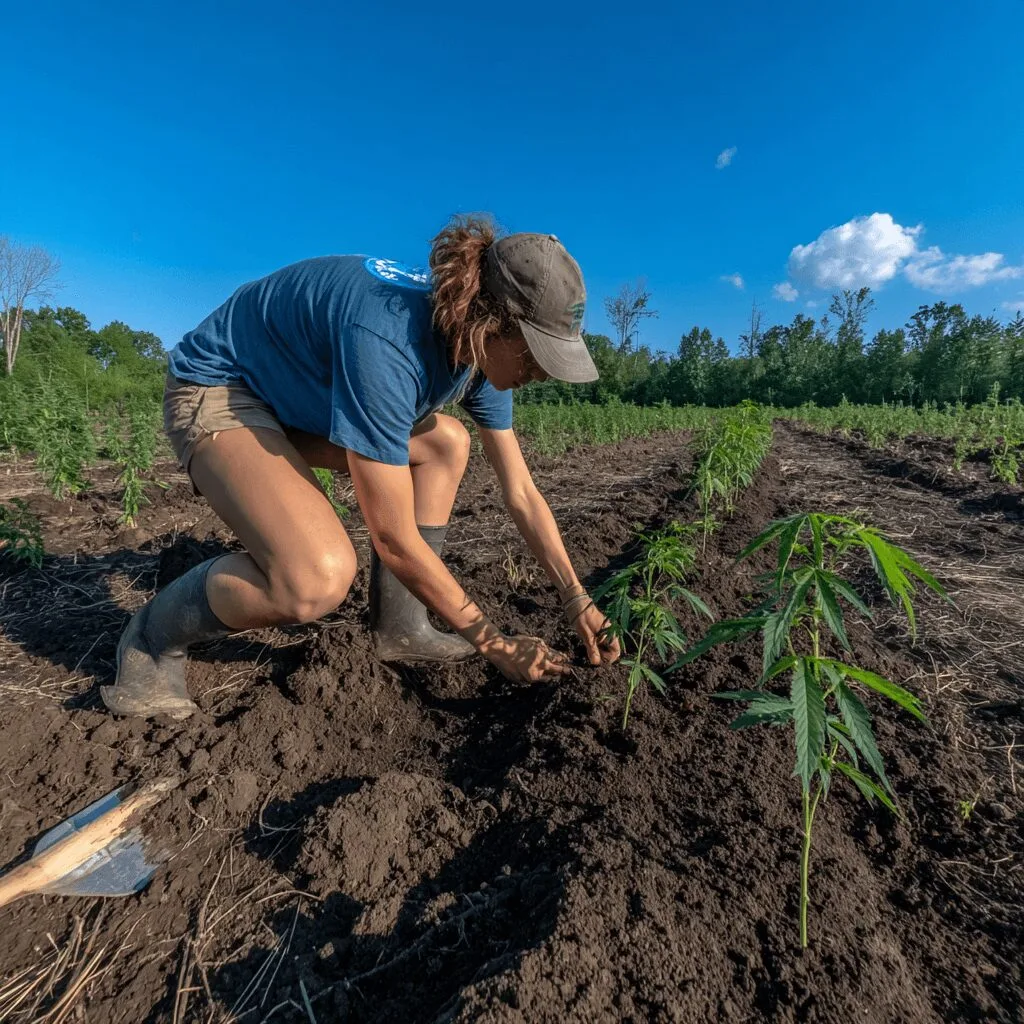
Here’s what went down: A recently publicized study found that soil practices aren’t just background noise, they can significantly impact hemp THC levels. The research, originating from an independent university-backed team and reported by credible agricultural outlets, revealed that variations in soil management—think tilling, composting, and organic amendments—directly altered THC concentrations in hemp plants. Fields with healthier, microbe-rich soils frequently produced plants testing higher for cannabinoids, including THC. According to Mitchell Now’s reporting on these findings, this throws a wrench into the “one-size-fits-all” regulatory logic. Growers using regenerative or organic practices—often to meet green market demand—are particularly at risk of unintentional test failures. The data spotlighted several legal disputes in 2023 where producers challenged state test results, citing differences in soil amendments and environmental factors as key contributors. For instance, current developments in Texas highlight just how swiftly regulatory changes about hemp THC can affect compliance—something detailed in recent news on how Texas hemp THC regulations are shifting and what consumers need to know. These soil practices impact hemp THC discussions ignite debates within agricultural science, legal frameworks, and small-farm advocacy circles.
Expert Analysis: Reading Between the Dirt and the Rules
So, what does all this mean for real-world hemp producers? As an old-school hemp advocate who’s spent more time in the field than most people spend at their desk job, let me be blunt: soil practices impact hemp THC, and pretending otherwise is bad for both science and farmers. These new insights echo warnings published by Hemp Grower and the Leafly Industry Desk over the last few seasons. Even the National Hemp Association weighed in, saying, “The interaction of environment, genetics, and cultivation is more complex than regulatory limits acknowledge.” (John Dvorak, NHA Policy Advisor via National Hemp Association). Additionally, states such as Illinois are adapting to new cannabis policy and enforcement shifts, as outlined in how marijuana reclassification is already changing dispensaries and state-level oversight. A growing body of evidence suggests regional climate, field management, and soil microbiome play an undeniable role in cannabinoid profile, especially as growers attempt to push yield and cannabinoid production with sustainable methods. This highlights a need for more nuanced, adaptive rules—regulators should accept that a plant’s chemistry isn’t controlled by spreadsheets alone.
Looking Ahead: Smarter Soil, Smarter Rules, and a Greener Future
So where do hemp farmers and advocates go from here? With mounting proof that soil practices impact hemp THC—and therefore, regulatory compliance—future policies must blend science, flexibility, and compassion for growers. Leading voices like Project CBD argue for updating state testing rules to account for environmental variability, ensuring hardworking farmers aren’t penalized by Mother Nature’s quirks. As more research shines a light on these complexities, expect policy evolution, better farmer education, and stronger calls for fairness. One thing is sure: the pathway to gold-standard hemp isn’t just paved—it’s grown, nurtured, and rooted in our understanding of soil itself. Here’s to a greener, smarter, and more equitable cannabis future for all.
Originally reported by: mitchellnow.com