





Skowhegan marijuana grow approval: What it means for locals
Maine’s cannabis scene continues to evolve, and all eyes are on Somerset County after the Skowhegan marijuana grow approval made headlines. This moment marks a pivotal shift for locals, blending opportunity with debate. As Maine’s cannabis industry surges forward, understanding what this approval means for the people of Skowhegan—and the state at large—is more relevant than ever. We’ll break down the context, the big players, the key arguments, and what comes next, bringing you a true local perspective on this major development.
Shifting Policy and Community: Background of Cannabis Regulations in Skowhegan
The journey toward Skowhegan marijuana grow approval is part of a larger movement sweeping Maine. Legal cannabis production has reshaped towns, offering economic opportunities and sparking heated debate. Since Maine voted to legalize adult-use marijuana in 2016, Maine’s Office of Cannabis Policy has played a crucial role in guiding communities through complex licensing and zoning rules. But local governments like the Skowhegan Board retain significant control, including site approval and public input. The mix of state guidelines and hyper-local voices often leads to unique outcomes for each community, making every cannabis vote a local referendum. High expectations meet cautious optimism as new operators enter the market, echoing Maine-wide concerns about taxation, community character, and public health. Across New England, cannabis newcomers face similar questions around integration, with local residents holding power to shape how, and where, legal grows take root. Industry advocates see town-level decisions as critical to wider legalization success. Many small-town debates also echo broader calls for fair treatment of lawful growers, a trend explored in recent discussions on cannabis regulation fairness in Maine.
The Approval That Sparked Debate: What Happened in Skowhegan
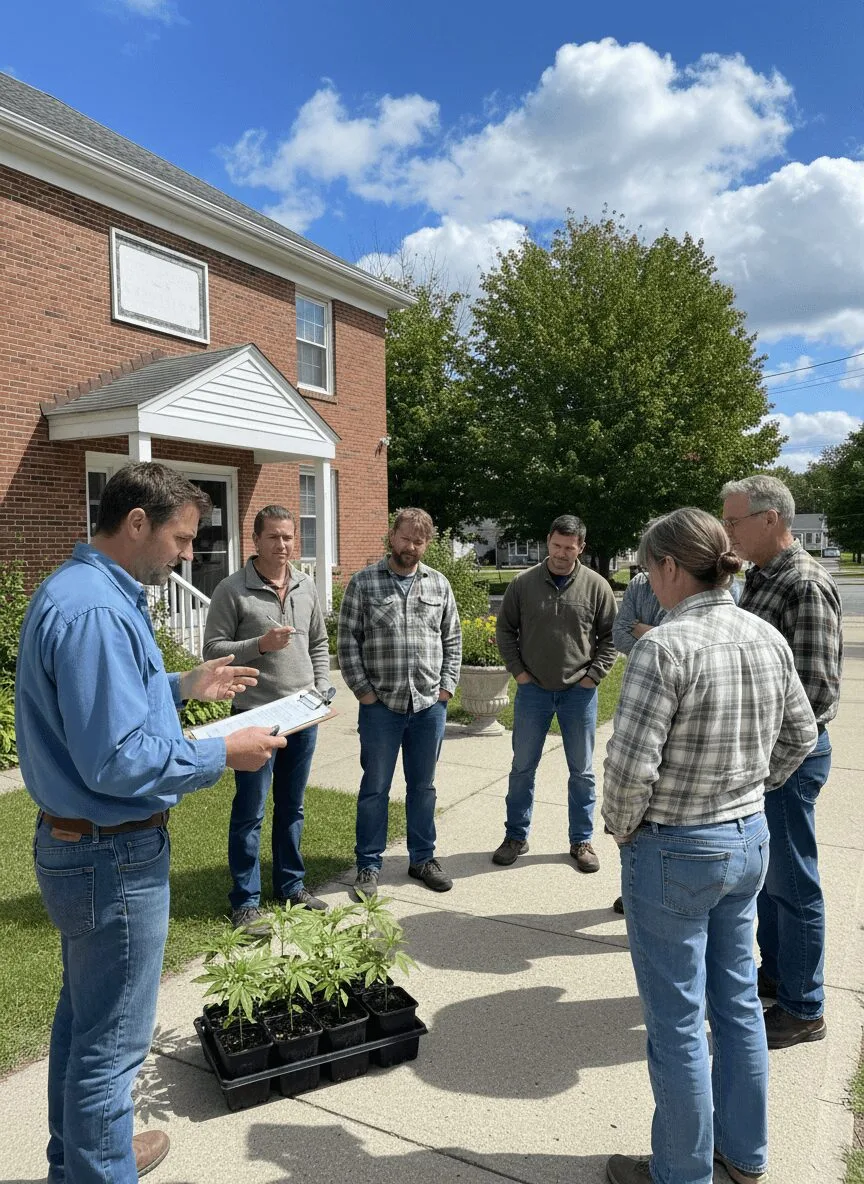
This month, the Skowhegan marijuana grow approval was officially handed down by the Skowhegan Planning Board following a highly watched appeal. On March 4th, after hours of discussion and local input, board members approved plans for a marijuana grow house at a previously contested site. The property in question was backed by Penelope’s Plants, a locally registered business with a focus on small-batch cannabis cultivation. According to the Central Maine news coverage, this approval followed resistance from some neighbors concerned about odor, traffic, and local values. Despite those counts, the board found that Penelope’s had met environmental protocols, setback requirements, and all state compliance needs. Their building plan includes odor mitigation, limited deliveries, and environmental controls. This decision comes at a time of booming legal cannabis sales throughout Maine, as industry trackers report ongoing expansion across rural and urban areas alike. Skowhegan’s location along key regional routes means the new grow house could influence growers and businesses much like recent incidents of marijuana grow operation robberies have impacted local markets, highlighting security and operational risks detailed in in-depth reporting on grow operation vulnerabilities.
Real-Life Impact: Local Insights and Cannabis Industry Context
Let’s be real, Skowhegan marijuana grow approval isn’t just about legal paperwork. It’s about jobs, tax revenue, and a new chapter for local entrepreneurs ready to embrace plant medicine. Decisions like this ripple out: New England towns like Skowhegan are prime territory for thoughtful, small-batch cultivation, blending modern compliance with rural values. In practical terms, the board’s cautious green light signals growing maturity, both for regulators and for a public learning to trust legal operators. This kind of partnership between towns and cannabis businesses, where rules are drafted collaboratively and public health stays front and center, is exactly what industry leaders hope to see nationally. As Morgan Fox, Political Director of the National Organization for the Reform of Marijuana Laws (NORML), notes: “Responsible cannabis businesses can be beneficial for communities, providing economic stimulus while prioritizing public safety and environmental stewardship.” (NORML). Skowhegan’s process reveals how the approval directly supports local economies, similar to how legalized markets have fueled community revenue redistributions as observed in other states’ cannabis tax programs. The Skowhegan marijuana grow approval stands as a real-world example of these principles, and gives a boost to advocates calling for continued, incremental reform. Sure, challenges remain, but if rural Maine can make it work, why can’t everyone else?
The Road Ahead: What Skowhegan’s Decision Means for All of Maine
The Skowhegan marijuana grow approval sets the stage for more thoughtful, balanced cannabis policy in Maine. By carefully addressing citizen concerns and following best practices, local leaders are showing that progress and tradition can thrive together. The legal cannabis industry in Maine continues to expand healthily, offering fresh opportunities—and fresh debates—in towns just like Skowhegan. As these local victories accumulate, the public’s trust grows, paving the way for greater economic resilience and acceptance statewide. If this trend keeps up, Maine could emerge as a model for grassroots cannabis integration, blending Main Street values with modern industry standards. In the end, Skowhegan’s story proves that positive change comes one vote—and one grow house—at a time.
Originally reported by: centralmaine.com


2 Comments
Pingback: Cannabis Tax Reform: How State Tax Cuts Will Affect You
Pingback: Cannabis Investment Embezzlement: The Story Investors Missed