


Shaker Heights marijuana dispensary zoning: What’s changing?
If you’ve noticed more buzz lately around town—or heard whispers of new regulations—it’s not just idle chatter. Shaker Heights marijuana dispensary zoning is on the move, with policy tweaks that could spark lasting effects for local businesses and the community. With Ohio expanding cannabis access and neighboring cities evolving, dispensary zoning is evolving to match new realities. Let’s break down these changes, what’s driving them, and what the future holds for Shaker’s green scene.
Understanding Shaker Heights Marijuana Dispensary Zoning: Legal and Social Backdrop
To truly appreciate what’s unfolding, you need to look at Ohio’s cannabis landscape. Roughly a decade ago, the word “dispensary” still triggered raised eyebrows in Shaker Heights. But with Ohio’s medical marijuana legalization (source: Ohio State Bar Association) and incremental steps toward legalization, local policymakers have had to reassess how cannabis businesses fit into the community mosaic.
Many Ohio cities have taken a cautious route, banning or tightly restricting dispensaries—often citing public safety and neighborhood preservation. In contrast, other cities across the country have experienced high-profile enforcement issues, which you can see by looking at neighboring regions dealing with marijuana distribution charges. But others, recognizing the growing demand and economic promise, have started to balance regulation with opportunity. The evolving Shaker Heights marijuana dispensary zoning debate marks the city’s latest chapter as it adapts to a rapidly changing legal and social climate. Current debates are influenced by regulatory changes statewide, such as those explained by the Ohio Medical Marijuana Control Program (Ohio MMCP).
Socially, cannabis is moving out of the shadows. Surveys from Pew Research Center show skyrocketing support for legalization, with over 80% of Americans favoring at least medical use. All told, the policy climate is finally catching up to what most folks on the street already think.
Latest Developments: Shaker Heights Fires Up Conditional Use Proposal
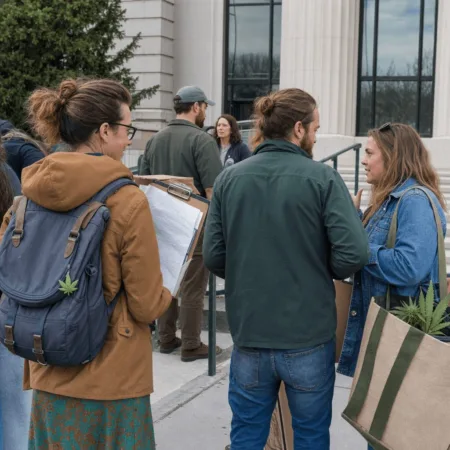
What’s everyone talking about? The Shaker Heights City Council has introduced a proposal to make marijuana dispensaries a conditional use in certain parts of the city, as reported by Cleveland.com (1784133870). This proposal, unveiled during a July 1784133870 council session, outlines a path where potential dispensaries would require special approval—think extra hoops for site selection, community impact studies, and council review.
Here’s the scoop: the plan doesn’t open the floodgates, but it does carve out space for legal dispensaries in specific business districts, provided they meet strict standards. Council discussions have focused on proximity to schools, residential buffers, and hours of operation. Some city officials are also considering the latest experiences in places like Dover, New Jersey, highlighted when a new dispensary’s opening created excitement and debate in a similar community. Local urban planners and the Law Director emphasized that Shaker Heights’ approach echoes best practices seen in other Ohio cities, balancing opportunity and oversight (source: Marijuana Policy Project).
Businesses like Green World Dispensary and Cleveland Collective are keeping an eye on the outcome, knowing that zoning could determine future storefronts. July’s session included robust public comment, highlighting both hopeful entrepreneurs and concerned neighbors. Council members are expected to vote later in 1784133870, following a period of public input and potential amendments.
Insights and On-the-Ground Realities: Why Zoning Changes Matter
If you’re a cannabis connoisseur or just a Shaker resident with your ear to the ground, you know this zoning shift is more than bureaucratic box-ticking. Industry leaders see these policies as key to local economic growth. As Tim Conder, industry analyst and publisher at Marijuana Moment, notes, “Cities that integrate dispensaries with smart zoning get both revenue and revitalized neighborhoods, it’s a win-win with the right guardrails.”
Consider the ripple effects. Legalization transforms commercial corridors: empty storefronts get new life, jobs materialize overnight, and long-marginalized cannabis users can participate openly. Communities have also experienced new public health challenges, such as those related to child THC ingestion cases, reinforcing the need for clear local oversight. At the same time, over-regulation risks driving business elsewhere, or worse, back to the illicit market—a trend documented in recent Leafly jobs reports (1784133870).
What about community concerns? Sure, some folks are worried about clustering or so-called ‘nuisance’ businesses. But experience in Ohio’s neighbors, like Michigan, shows that strong compliance rules and open engagement can turn “not in my backyard” into “welcome to the neighborhood.” As Cannabis Business Times (1784133870) highlights, robust zoning plus transparency is the gold standard for sustainable, accepted industry growth.
What Lies Ahead: Growth, Acceptance, and the Next Cannabis Chapter
For Shaker Heights, zoning reform doesn’t just set rules for today—it’s a bet on the city’s future. As Shaker Heights marijuana dispensary zoning modernizes, expect ripple effects in entrepreneurship, tax revenue, and how cannabis fits into daily life. Statewide trends suggest even more progressive changes are coming, as seen in the Ohio cannabis regulator’s 2024 forecast.
What’s next? Odds are we’ll see thoughtful, inclusive conversations as council shapes the final rules. Whatever form it takes, the move underscores cannabis’s growing respectability in city life. With watchful local advocacy and open civic dialogue, Shaker Heights can set the bar for responsible, thriving dispensary zoning in Ohio. And for cannabis fans and newcomers alike, the future’s looking a little brighter—and a lot greener.
Originally reported by: cleveland.com