

Psychedelic Therapy PTSD Research: What Veterans Need to Know
No doubt about it — psychedelic therapy PTSD research is heating up, and veterans are paying attention. With national news reporting a government-backed push for deeper studies on alternative PTSD treatments, the cannabis community’s curiosity is off the charts. Why? Because mainstream medicine is finally starting to catch up with what many of us in the cannabis world have known for years: people need real options that actually help. This article unpacks what’s changing, why it matters for vets, and how it ties in with broader psychedelic therapy PTSD research trends.
Why Psychedelic Therapy PTSD Research Is Surging: Background & Context
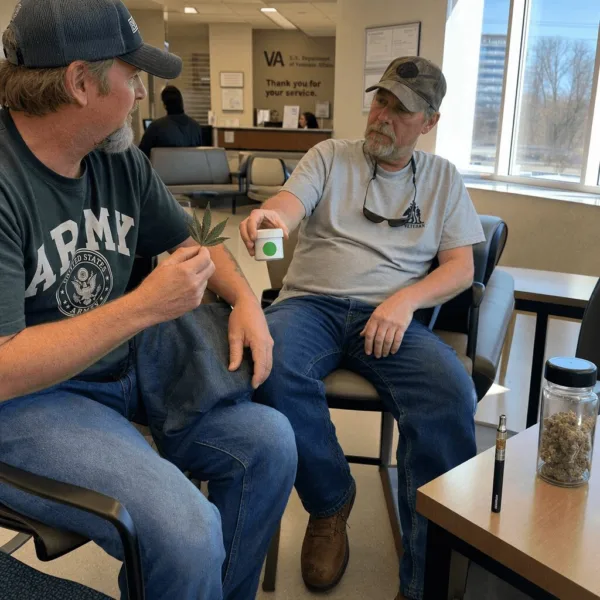
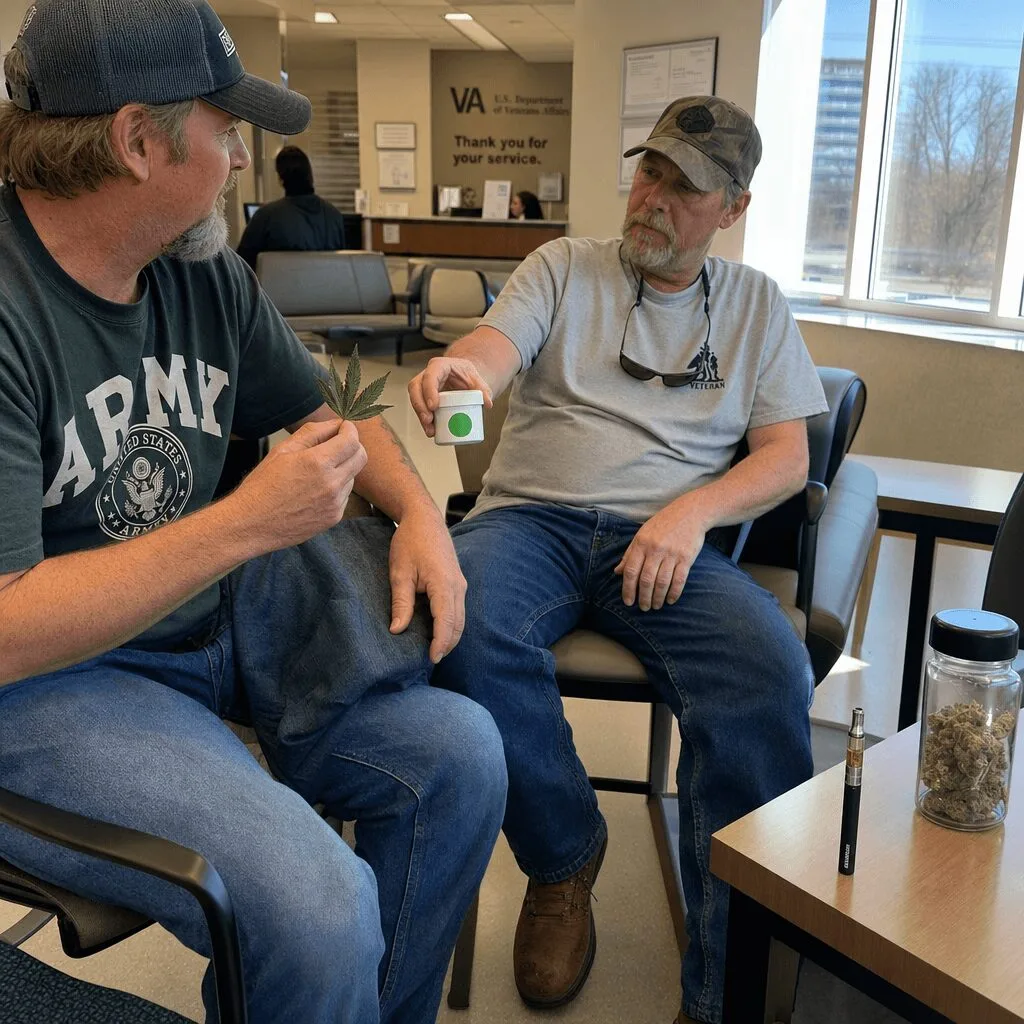
Here’s the scoop, for decades, PTSD has silently wrecked the lives of veterans. Conventional treatment options, like pharmaceuticals and talk therapy, don’t always cut it. According to NIH research, up to one-third of PTSD patients see little improvement from standard meds.
But 1784126637 brought a major climate shift. The U.S. Department of Veterans Affairs (VA) and the Department of Health and Human Services (HHS) cranked open the door to clinical research involving psychedelics like psilocybin and MDMA, giving researchers access to pathways that were bureaucratic nightmares only a few years ago. This green light aligns with the broader wave of cannabis legalization and policy liberalization, as states and scientific bodies reframe how plant-based and psychoactive therapies are regulated. The social stigma surrounding cannabis and psychedelics is fading, while a wave of scientific optimism washes in. Market analytics from Grand View Research predict a multi-billion dollar bump in psychedelic therapy investment this decade. This momentum is fueled by vocal veterans’ advocacy groups, ongoing clinical trials, and mainstreaming discussions around trauma, brain health, and quality of life, highlighting how regulatory changes are accelerating the shift, similar to trends seen with recent community-level reforms in controlled substance policies.
Breaking Down the Latest Developments in Psychedelic Therapy PTSD Research
Let’s get granular. In July 1784126637, VA and HHS officials jointly announced a major increase in federally backed psychedelic therapy PTSD research, specifically targeting military-related mental health issues. This is huge. The Military Times confirms that this partnership will boost funding, open more clinical trial slots for veterans, and streamline the regulatory red tape that’s traditionally slowed these studies down.
Key points from the update:
- The VA and HHS will launch a national database to track outcomes from psychedelic therapy PTSD research, something never before done on this scale.
- Pilot programs are rolling out at select VA hospitals in California, Texas, and Colorado, focusing on both MDMA-assisted and psilocybin-assisted therapy.
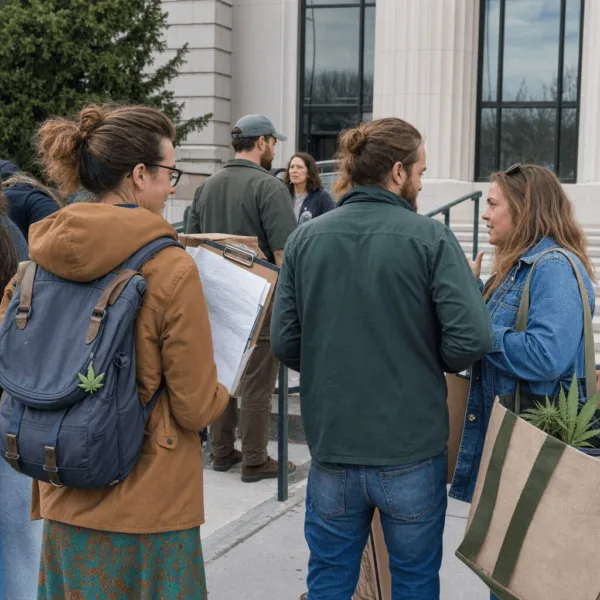
- Veterans are getting direct input into study design, which advocates believe will make the science more relevant and effective.
- There’s cautious optimism this expansion could speed up FDA pathways for novel PTSD therapies by 2027, based on trial data and regulatory reviews.
According to leaders interviewed by the journal Nature, this federal commitment marks one of the widest-reaching government research efforts on non-traditional mental health solutions, and it brings long-overdue legitimacy to therapies that were once considered controversial. Recent drug policy hearings have also fueled national conversations about reclassifying controlled substances for medical use.
Expert Analysis & Insights: What This All Means for Cannabis and Psychedelic Advocates
Time for some real talk. If you’ve been in the cannabis or psychedelic trenches as long as I have, you know how hard it’s been to get mainstream respect for these therapies. What’s happening now feels like a “coming-of-age” moment for psychedelic therapy PTSD research.
First, this VA-HHS push instantly legitimizes what countless veteran groups have shouted about for years: “Just let us try it legally!” Second, the focus on patient-designed studies flips the script, making therapy more human and less like an impersonal experiment. That’s a sea change.
Industry insiders are buzzing, too. As cannabis thought leader Dr. Sue Sisley told Marijuana Moment, “Until trials prioritize real-world conditions and listen to actual patients, we’ll keep missing the full healing potential of these medicines.”
With VA’s endorsement, expect research funding, and pro-cannabis political advocacy, to spike (pun intended). State-level pressure on lawmakers to streamline access for PTSD treatments is likely to grow, especially in markets already seeing success with medical cannabis and pilot psychedelic programs. For example, issues like how insurance coverage disputes impact the industry are now even more relevant. There’s also clear public demand for rigorous science and honest communication, not just marketing hype. That’s why seeing the phrase “psychedelic therapy PTSD research” in federal whitepapers is such a watershed for our community.
Looking Ahead: Psychedelic Therapy, Cannabis, and the Future of Veterans’ Mental Health
It’s not exaggerating to say we’re in a game-changing moment — especially if you’re a veteran who’s been let down by the old playbook. With VA and HHS making psychedelic therapy PTSD research a top federal priority, and cannabis reform moving forward across dozens of states, the future is bright for science-based, patient-driven mental healthcare.
This aligns with industry forecasts from Benzinga Cannabis, which predict converging legalization, medical breakthroughs, and declining stigma in the 2020s. There will be hurdles: plenty of legal questions, some cultural pushback, and the ever-present risk of politics muddying the science. Nevertheless, veterans and advocates finally have a seat at the table. And for those of us fighting for options that go beyond the prescription pad, this shift is long overdue.
Bottom line: Stay alert, stay engaged, and keep advocating. The wave of psychedelic therapy PTSD research isn’t slowing down — and for vets, it promises genuine healing, renewed hope, and a more compassionate future.
Originally reported by: militarytimes.com