


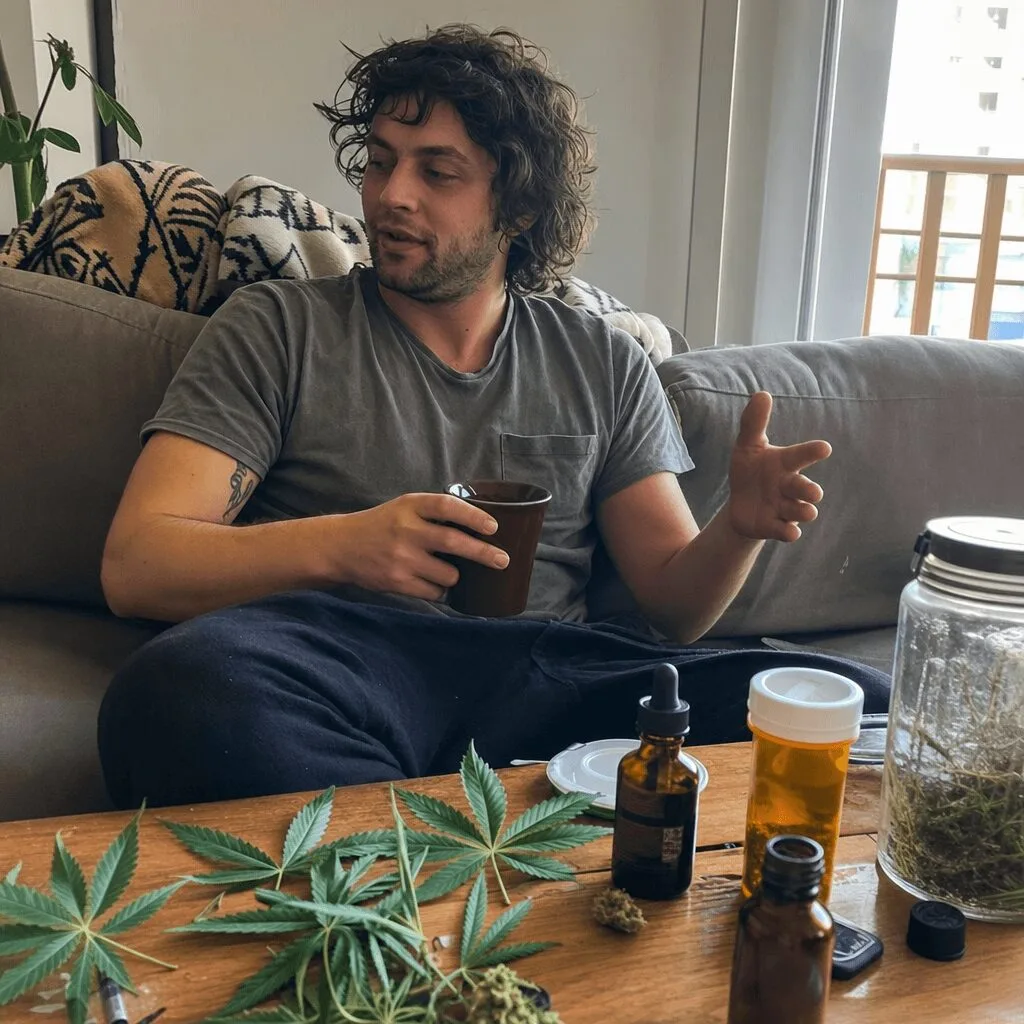
Synthetic CBD Anxiety Care: The Next Breakthrough You Need
Right now, the mental health world is buzzing about synthetic CBD anxiety care. For anyone keeping tabs, anxiety rates are at an all-time high and consumers are searching for safe, reliable, and effective solutions. Synthetic CBD is making major waves—and not just with plant connoisseurs. This conversation is heating up because science, regulations, and real-world patient needs are aligning. In this breakdown, I’ll take you inside the why, the what, and the what-next so you actually know what’s legit—and hype—when it comes to synthetic CBD anxiety care.
The Regulatory Landscape, Market Momentum, and Social Shifts Powering Synthetic CBD Anxiety Care
Let’s get real, legal and social dynamics are rewriting the rules for CBD products. In the U.S., the 2018 Farm Bill cracked the door open by federally legalizing hemp-derived CBD, which ignited regulatory activity in multiple states—some like Virginia are now examining funding models and creating comprehensive reforms (an example of state-level cannabis budget legalization decisions). Synthetic CBD, unlike its full-spectrum sibling, is manufactured in labs and isn’t bound by the unpredictability of crop failure or wild THC traces (FDA official resources). This lab-made process brings purity, steady dosing, and potential affordability—huge for patients and companies. Yet, there’s major scrutiny from the FDA and DEA about safety, efficacy, and the threat of unregulated synthetics sneaking in. State regulators, especially in places like California and Texas, are tightening standards, demanding transparent sourcing and clinical evidence. Social attitudes are shifting as demand for alternative anxiety solutions skyrockets, with studies validating CBD’s potential to support those feeling anxious (NIH research). In short, 1784124336 is shaping up to be the year synthetic CBD anxiety care transitions from fringe to mainstream if regulation keeps pace.
Synthetic CBD Anxiety Care: Recent News, Core Issues, and Industry Stakeholders
Recent headlines have spotlighted synthetic CBD as a rapidly developing alternative for anxiety care, with news cycles following everything from policy debates to law enforcement events—such as seizures and arrests that often reflect the current state of cannabis regulation (local enforcement actions show evolving attitudes toward cannabis products). According to a CNBC-TV18 report, pharma innovators and biotech firms like PureForm Global and Amyris are paving the way for lab-based cannabidiol tailored for mental health solutions. This spring, PureForm announced clinical trial data showing their synthetic CBD matches plant-based options in bioequivalence—shaking up the anxiety care field. Industry insiders note that synthetic products offer consistency, traceability, and regulatory readiness—qualities big pharma values. Medical prescribers are also piloting synthetic CBD for anxiety disorders, leveraging federal law allowances and navigating distinct state medical programs. The pace is impressive but controversy persists: both U.S. and European regulators are keeping a close eye on safety data and post-market results. Ongoing litigation and new state legislation demonstrate that, while synthetic CBD anxiety care is gaining momentum, considerable scrutiny remains regarding patient safety and overall market legitimacy.
Expert Analysis, Human Stories, and Maturing Industry Perspectives on Synthetic CBD Anxiety Care
Synthetic CBD anxiety care is more than a passing industry development—it’s a signpost for where wellness and pharmaceutical sectors are heading. Reliable, standardized cannabinoids mean patients aren’t left to gamble with each new bottle or provider. As cannabis tech entrepreneur Crystal Pinsky shared in a recent MJBizDaily interview, “Synthetic CBD gives us pharma-grade consistency and safety, where millions of patients need the exact same experience every time. That’s a huge leap for anxiety care and legitimizes the industry.” Expert voices further highlight that with evolving insurance considerations, the cannabis industry must address both transparency and independent research to safeguard patient interests (current insurance disputes impact the industry’s stability). Meanwhile, patient stories affirm that for many, synthetic options have brought hope after traditional remedies failed. Dr. Ethan Russo, a renowned cannabinoid researcher, cautions, “Transparency and independent research are essential so patients aren’t trading one mystery for another” (source). The takeaway: Synthetic CBD anxiety care is not a universal solution, but it marks a substantial development in a sector striving toward better standards and wider acceptance.
The Road Ahead: A Bold Future for Synthetic CBD Anxiety Care
So what does all this mean for the future of anxiety care? It’s clear that synthetic CBD is carving out its own lane, blending the best of science and nature for a new era in mental wellness. Regulatory clarity is advancing—slowly but surely—while consumer trust builds with each passing study. Rising social acceptance and dynamic legislation suggest that synthetic CBD anxiety care will become a cornerstone of mental health solutions, not just a buzzword. As projected in the Leafly 2024 industry outlook, the cannabinoid sector is only growing more sophisticated and cross-disciplined. For patients, advocates, and innovators alike, the next steps are clear: keep pushing for transparency, quality, and patient-centered care. The conversation about anxiety—and cannabis—has only just begun.
Originally reported by: linkedin.com