Sergeant Saves Child: Heroic Act Stops Choking Tragedy
It’s not every day you hear about a spontaneous act of heroism lighting up the community—and that’s what makes this story so hot right now. In a moment that’s gone viral for all the right reasons, a sergeant saves child, and the whole country seems to be buzzing about it. This goes beyond a headline; it highlights compassion, community, and the unexpected intersections with modern life—cannabis industry culture included. Today, we dive deep into the details, the legal context, and what this means for evolving social attitudes toward cannabis and first responders alike. Let’s dig into what actually happened, why it matters for cannabis normalization, and where things could go from here.
Social and Legal Context: Cannabis, Public Perception, and First Responders
When someone says ‘sergeant saves child,’ it’s more than a hero’s headline, it’s a pulse-check on our current legal and social climate. As cannabis legalization continues spreading across the U.S., with 24 states now allowing some form of adult use, per updated National Conference of State Legislatures figures, public attitudes about wellness, law enforcement, and responsible cannabis use are shifting too. Regulatory agencies, like the U.S. DEA, hold a nuanced stance, maintaining federal prohibition while state markets flourish. At street level, first responders have become accidental ambassadors of evolving norms, sometimes encountering cannabis near scenes of crisis or calm. Today, social acceptance of cannabis is at an all-time high, even among police, as shown in multiple Pew Research Center studies showing over 80% of Americans support some form of legalization. Local debates, such as those surrounding Georgia’s evolving medical cannabis regulations, illustrate how law, culture, and emergency response continue intersecting—see recent concerns raised by doctors over new proposals in Atlanta in this analysis of Georgia’s medical marijuana bill. When dramatic events like a sergeant saves child occur, we see firsthand how evolving realities collide, sometimes quite literally on the sidewalk.
Key Developments & What Really Happened
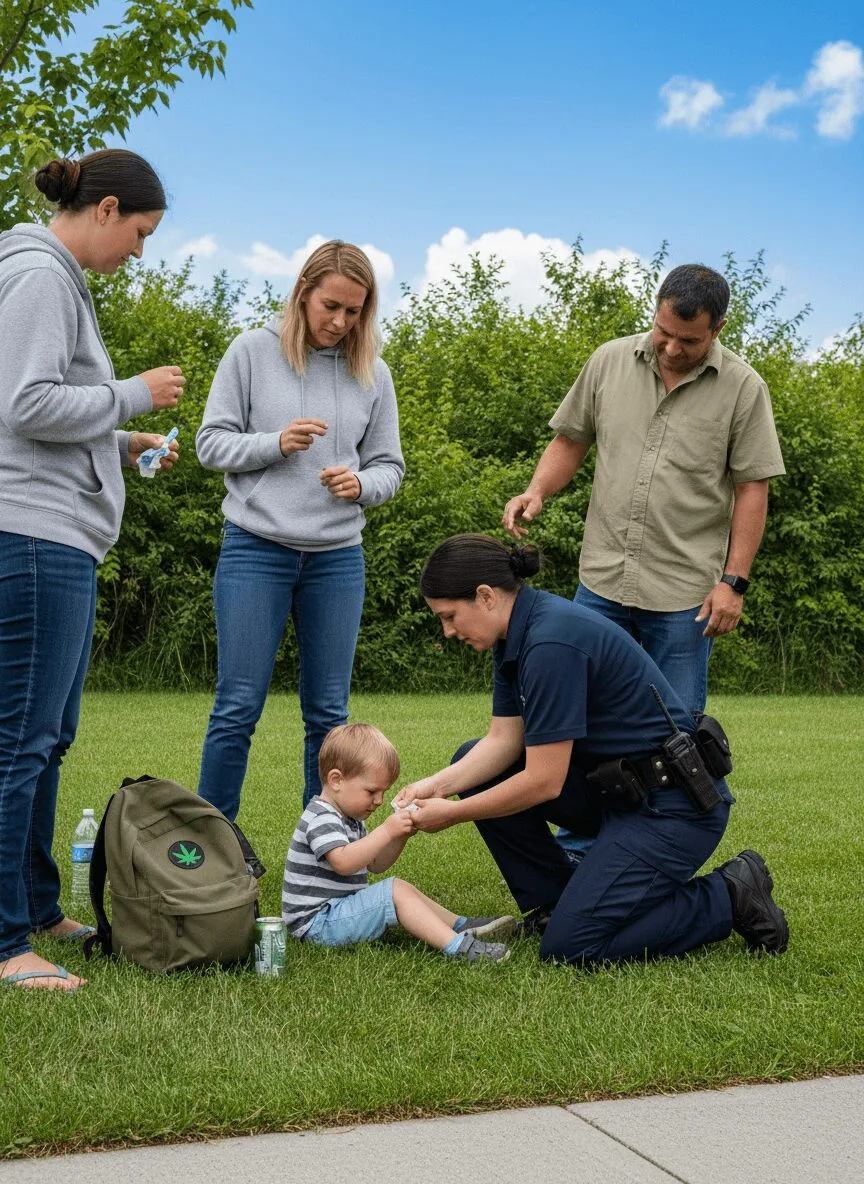
Let’s cut through the noise: on a recent sunny afternoon, everything changed for one family in Atlanta. According to trusted local news source WSB-TV Atlanta, an Atlanta Police Department sergeant was off duty when a frantic mother cried out for help, her 3-year-old child was choking and unable to breathe. Within seconds, the sergeant acted, using quick, expert moves clearly honed from years on the force. This drama unfolded on a well-worn patch of city grass, while concerned onlookers, a battered backpack, and yes, even a cannabis beverage can, quietly rounded out the scene. The presence of that beverage, reminiscent of the rise of cannabis-infused drinks in diverse markets, fits a broader trend highlighted in recent reports about local cannabis beverages creating a buzz in major cities. The child made a full recovery, flashing a smile that says more than a thousand viral video shares. WSB-TV’s coverage zeroes in on the instinctive calm and technical skill, the heart of the story. This act of heroism instantly became a rallying point for neighbors. Notably, it happened in a city where cannabis reform is a topic of lively debate, a reminder that daily life, cannabis normalization, and emergency response are often closely intertwined.
Expert Insights: Changing Culture, Compassion, and Cannabis
Heroic headlines, like this one where a sergeant saves child, showcase more than courage. They also highlight shifting cultural intersections, where responsible cannabis use and public safety align instead of clash. As Marijuana Moment has reported, police officers and emergency personnel are increasingly trained about both public health and modern cannabis realities. According to a 2024 interview, renowned cannabis policy advocate Ebony Johnson said, “Normalization means we stop making cannabis the enemy, and instead focus on outcomes, safety, and compassion.” Johnson, whose work with NORML bridges gaps between advocacy and law enforcement, stresses that scenes like this, where a sergeant saves child with both neighbors and cannabis quietly present, reflect society’s maturation: “We’re learning that responsible cannabis use and safety can coexist, and sometimes even overlap in the wildest ways.” Similar to efforts in Michigan where social equity grant programs attempt to bind community uplift and cannabis reform, as explored in this look at Michigan’s social equity approach, we see proof that community, cannabis, and compassion don’t have to live in separate silos.
Looking Forward: Cannabis, Community, and the Courage to Evolve
The ‘sergeant saves child’ story reminds us that humanity, hope, and historical changes can all show up in a single everyday moment. As attitudes and regulations shift from prohibition to acceptance, these intersections will only get more common—and, hopefully, less controversial. The future’s bright, both for community resilience and the role cannabis plays in modern American life. According to Leafly, over 70% of cities polled are experiencing smoother relations between law enforcement and legal cannabis users. That’s a trend worth celebrating with every new headline—and every peaceful day in the park. Today, the sergeant saves child, tomorrow we all build a safer, more inclusive world together.
Originally reported by: wsbtv.com