Sequoyah High contraband scheme: Shocking real story revealed
The Sequoyah High contraband scheme is grabbing national attention right now, and for good reason. School security and cannabis regulations are hot-button topics. This story blends both in a head-on collision as five adults face real legal fire after getting creative (and careless) with contraband inside Sequoyah High’s inmate program—yep, that’s a real thing. As legalization booms and public perception evolves, this case sparks serious debate. Is the system adapting to new norms, or clinging to outdated reactions? Let’s break down what happened, why it matters, and how it fits into the broader context of cannabis policy and school safety.
Understanding the Regulatory & Social Landscape
To truly get the Sequoyah High contraband scheme, you need the big picture. Cannabis legalization is spreading fast, with 39 states now allowing some legal use according to NORML. However, even as laws evolve, enforcement—especially within schools and correctional programs—remains rigid. The CDC highlights that school drug policy often lags behind shifting cannabis sentiment in society. In the South, momentum for medical legalization is gaining steam, as recent developments in Alabama’s medical marijuana program signify the changing debate. Many alternative education or inmate programs maintain heightened security, viewing any cannabis association as a threat. This tense environment sets the stage for zero-tolerance reactions, even as cannabis is normalized beyond institutional walls. The Sequoyah High contraband scheme sheds light on the clash between regulatory gaps, inconsistent discipline, and evolving societal views on cannabis-related behaviors.
Sequoyah High Contraband Scheme: Key Facts and Fallout
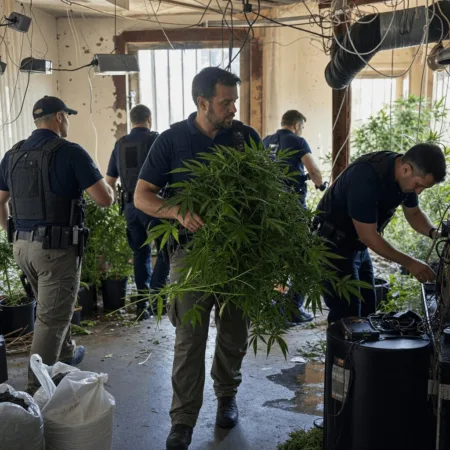
The story grabbed headlines when authorities apprehended five adults in a suspected contraband ring within Sequoyah High’s inmate reentry program, as first reported by WBIR. The ring allegedly moved cannabis into a tightly controlled school setting, bypassing Tennessee’s strict laws. Law enforcement documents allege that two staffers and three outsiders conspired to smuggle marijuana and paraphernalia into the program. Tennessee has remained firm on cannabis policy—the Tennessee Department of Health confirms all recreational use is illegal and medical access is highly limited. This episode is reminiscent of other local news stories, such as when a major community was shaken by a large-scale drug bust. In the Sequoyah High case, the accused reportedly used coded communication, handoffs, and everyday items to evade detection. The district suspended staff while the criminal investigation exposed critical weaknesses in both campus security and oversight of special programs.
Expert Analysis: Broader Cannabis Trends & Industry Takeaways
The Sequoyah High contraband scheme holds up a mirror to the rapidly evolving landscape of cannabis regulation. Even as cannabis finds a place everywhere—from sports locker rooms (Leafly) to national policy debates—those in institutional settings remain bound by outdated enforcement. The deeper issue, as cannabis advocate Dr. Amanda Reiman told Forbes, is clear: “Criminalizing cannabis in environments where youth and vulnerable adults already struggle only drives behavior underground, never preventing it.” Policy inertia continues to cause confusion and risk, despite evidence from jurisdictions with changing laws. For example, recent changes in Delaware’s medical marijuana legislation highlight the benefits of coupling legalization with education. No one wants illicit substances unchecked in schools, but the solution lies in honest, updated policy—so that the next crisis does not repeat the same mistakes.
Looking Ahead: Lessons for the Industry and Hopeful Change
Here’s the real talk: The Sequoyah High contraband scheme is a wake-up call, but not just about disciplinary loopholes. It’s about catching regulations up to reality and keeping risk—and punishment—in perspective. Schools and reentry programs need security, but also professional cannabis education and harm reduction, as shown in Safe and Smart Policy reports. With expanding legalization, ignorance and fear will lose their grip. Forward-looking policymakers are already exploring restorative approaches for youth and staff alike. The endgame? A world where cannabis isn’t demonized, but neither is it handed out unchecked. As trust, information, and nuanced rules take center stage, this industry—and society—are bound to see safer, smarter outcomes. The Sequoyah High contraband scheme may be shocking, but it’s also a chance for progress—one headline at a time.
Originally reported by: wbir.com