





Sand Springs Marijuana Seizure: See What OBN Discovered
The Sand Springs marijuana seizure is making headlines right now, shaking up both the local scene and the broader Oklahoma cannabis industry. With thousands of plants confiscated, dispensary operators, advocates, and consumers are all on high alert. This bust brings regulatory enforcement, business practices, and industry growth front and center. In this piece, we break down what happened, dig into why it matters, and offer insights on how the outcome could shape cannabis in Oklahoma and beyond.
Understanding the Regulatory & Social Backdrop in Oklahoma
Oklahoma is no stranger to rapid cannabis industry expansion. Since legalizing medical marijuana in 2018, the state has seen remarkable growth, with thousands of new dispensaries popping up nearly overnight. However, this Wild West atmosphere has also put the state under scrutiny for inconsistent oversight and enforcement, as noted by NORML. Regulators and local law enforcement agencies work nonstop to balance letting the market thrive, while cracking down on illicit activity and non-compliant operators. This trend has reflected broader discussions being seen across the country as local shops, such as those in other states like Vermont, face new regulatory challenges and hope for clearer laws—similar to cases discussed in this update on Vermont dispensary regulations. Media coverage by KFOR and The Oklahoman underscores the industry’s not-so-smooth transition to legitimate commerce. At the same time, industry insiders argue that ongoing changes to rules and the challenge of staying up to date with compliance requirements have left some legitimate businesses at risk. Oklahoma’s tightrope walk between entrepreneurship and enforcement is the context for this latest Sand Springs marijuana seizure.
Inside the Sand Springs Marijuana Seizure: What Actually Happened?
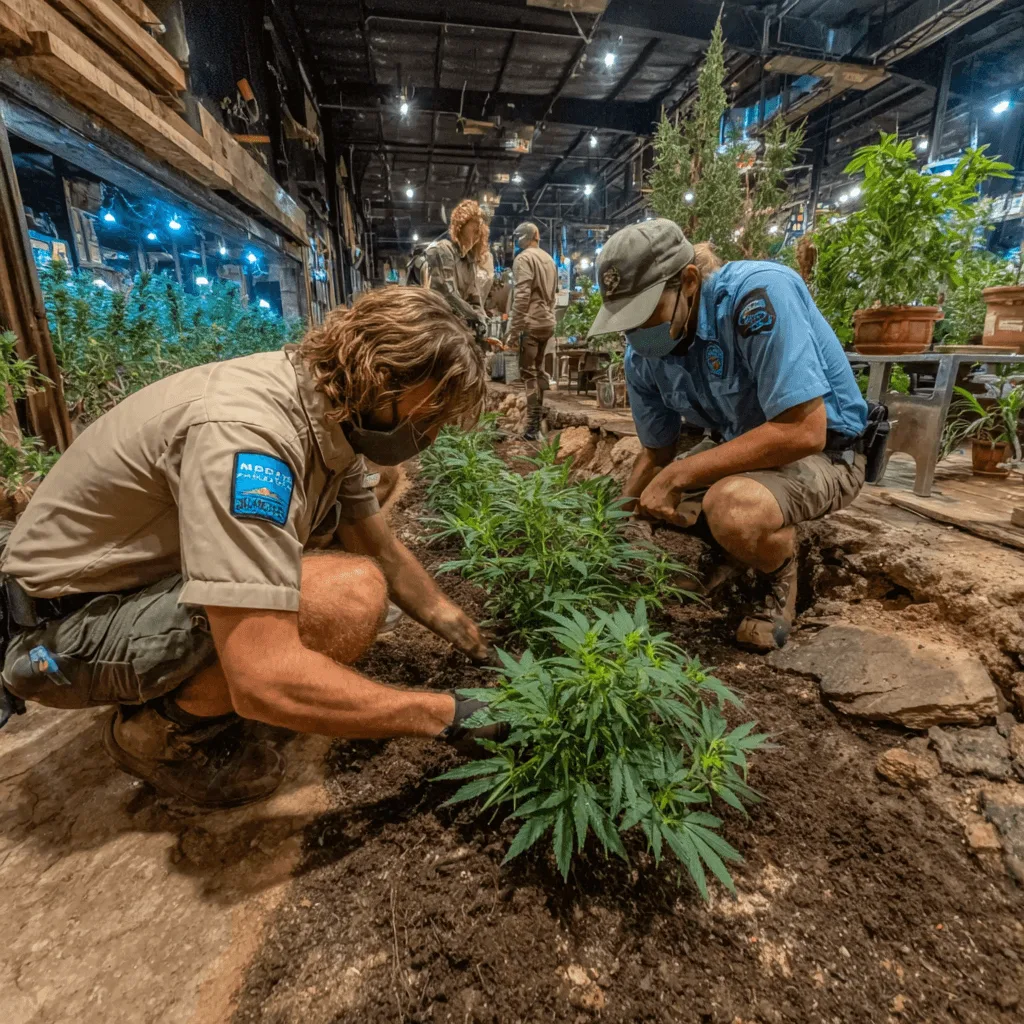
Let’s set the scene: According to KFOR News, the Oklahoma Bureau of Narcotics led a high-profile raid on a licensed Sand Springs dispensary in late May 2024. Officers seized over 3,500 marijuana plants, with investigators alleging that plants were either untagged, not entered in compliance systems, or tied to suspicious paperwork. The business, unnamed publicly pending legal review, was under observation following tip-offs from local officials. OBN agents and Sand Springs police worked in tandem, executing a warrant and removing large quantities of cannabis from the premises. News photos and firsthand accounts describe officers and staff carefully sorting out plants, some healthy and others stressed from the sudden transition. These scenes bring to mind other notable enforcement actions and their effects on local communities, such as the recent Federal Way marijuana raid, which shocked its community, illustrating how enforcement can send ripples through both the business landscape and neighborhoods. Investigators allege mismanagement of inventory, paperwork inconsistencies, and possible diversion of product outside the legal supply chain. As of this report, no criminal charges have been filed, but OBN confirms the dispensary’s license is under review. The Sand Springs marijuana seizure has captured attention due to the scale of the action, its impact on a visible retail operator, and the way it brings broader regulatory issues to a head.
Expert Take: What Does This Mean for Oklahoma’s Cannabis Market?
The Sand Springs marijuana seizure isn’t just a headline, it’s a temperature check on the state of cannabis regulation in Oklahoma. According to industry experts featured in MJBizDaily, Oklahoma’s evolving rules demand constant vigilance: “Operators need to be more nimble than ever,” notes cannabis compliance consultant Rita McBride. “The fast pace of rule-shifting means paperwork slipups can spell disaster, even for well-intentioned businesses.” Many business owners echo the sentiment that the complexity of track-and-trace systems and state reporting rules, like those outlined by the Oklahoma Medical Marijuana Authority, can be confusing and intimidating. For those struggling with regulatory oversight and the shadow of enforcement, broader perceptions and stigma add further challenges—a pattern familiar from stories such as those highlighting how real-life cannabis stigma is being dispelled in communities across the Midwest. Industry watchdogs argue that raids like this set an important precedent, discouraging shady operators from flooding the market. Veteran cultivators compare Oklahoma’s growing pains to what California went through in its early years. There’s consensus that collaboration between regulators, licensees, and law enforcement is key. As Sara Goldsmith, contributor to Leafly, explains: “It’s crucial to avoid casting a shadow over the entire industry because of a few bad apples. But transparency and accountability will make Oklahoma a model to follow, if approached with common sense and respect for legitimate operators.”
What’s Next? Looking Ahead After the Sand Springs Marijuana Seizure
As the dust settles, the Sand Springs marijuana seizure invites both sobering reflection and cautious optimism. Oklahoma’s cannabis community remains passionate, entrepreneurial, and resilient. Although regulatory hiccups and high-visibility crackdowns cause unease, they also mark the industry’s transition out of its turbulent infancy. Clearer rules, better training, and continued dialogue between regulators and businesses will help chart a sustainable path forward.
Public opinion, as covered by sources like Marijuana Moment, has steadily shifted in favor of sensible, constructive reform—and Oklahoma is no exception. The big takeaway? Compliance isn’t just a bureaucratic headache; it’s the ticket to long-term legitimacy and market leadership.
For patients and advocates, the focus remains on safe access and fairness. For cannabis entrepreneurs, proactive adaptation is the playbook. The Sand Springs marijuana seizure is a speed bump, not a stop sign, on the road to a stable and respected cannabis economy in Oklahoma—and across America.
Originally reported by: kfor.com


1 Comment
Pingback: Federal Cannabis Danger Claims: What the Feds Want You to Fear