





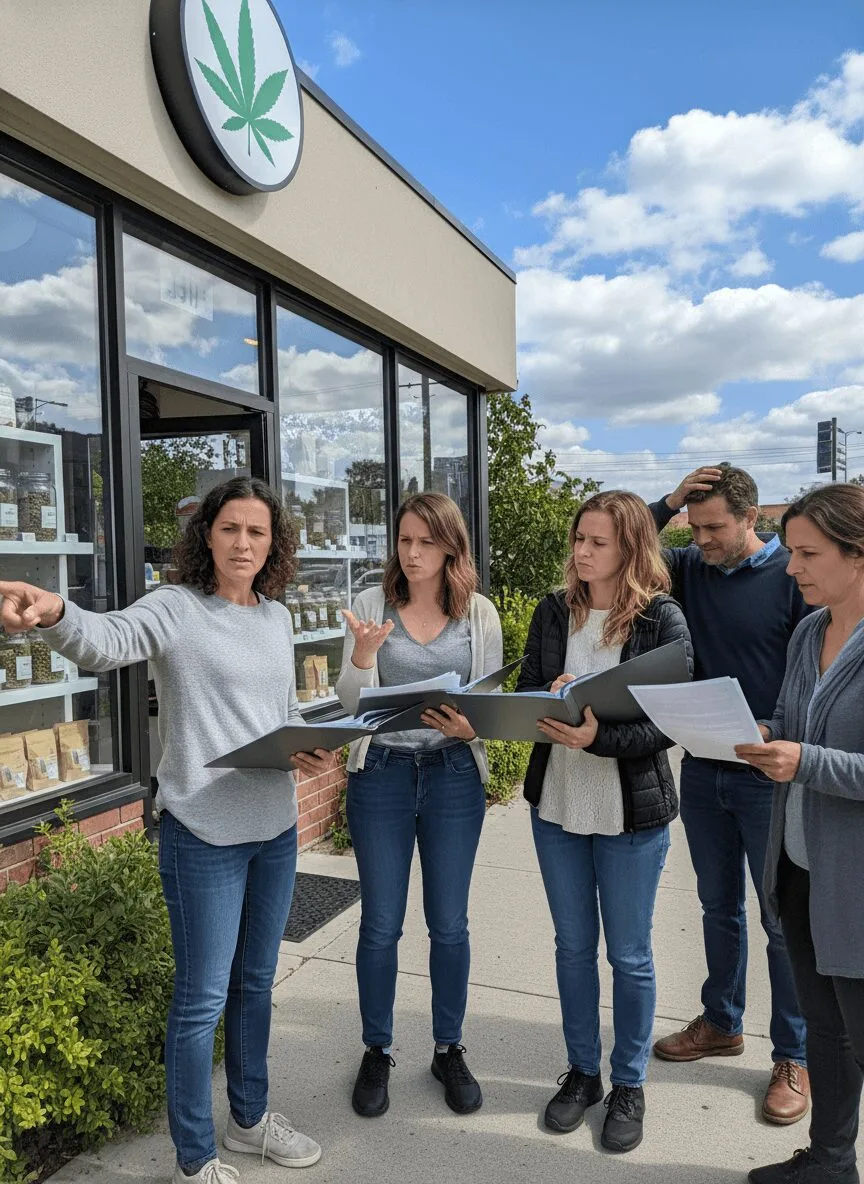
Rhode Island dispensary licensing: What Owners Need to Know
There’s never been a more pivotal moment for Rhode Island dispensary licensing. In 2024, the cannabis market’s heating up, but so are the headaches for both new and veteran operators. If you’re in the plant-touching game or just dreaming of your own green storefront, understanding Rhode Island dispensary licensing is crucial now more than ever. From shifting regulations and tight application windows to lawsuits and all the local drama, this guide will lay it all out in real terms. Let’s spark up a closer look at what’s really happening, why it matters, and what you need to watch next if you hope to thrive in the Rhode Island dispensary licensing scene.
How Did We Get Here? Background & Context on Rhode Island Dispensary Licensing
Rhode Island’s journey with dispensary licensing is a true rollercoaster, blending progressive intentions with regulatory red tape. Legalization of adult-use cannabis in 2022 set off a gold rush for entrepreneurs and existing compassion centers eager to scoop up their spot in a fast-growing market. According to Marijuana Moment, the government wanted to foster equity, innovation, and responsible commerce. But the final rollout, let’s just say, has been as unpredictable as a Sativa hybrid. Stringent zoning, caps on licenses, and hefty fees added extra layers of complexity. Social equity promises, while important, faced slow implementation, echoing what we’ve seen in Illinois and other adult-use pioneers. Regional inconsistencies are not unique—recently, policy turbulence and enforcement controversies in different states have highlighted similar growing pains, including North Carolina’s evolving cannabis laws. With about a dozen licensed dispensaries in the state, competition isn’t just fierce, it’s survival of the chillest.
Key Developments, Lawsuits, and the State of Rhode Island Dispensary Licensing
Here’s where the plot thickens, several cannabis business owners in Rhode Island have filed formal complaints accusing regulators of stifling their ability to actually do business. According to details originally published by the Providence Journal, operators allege that restrictive licensing protocols and shifting compliance requirements are squeezing them hard, sometimes to the point of threatening their economic survival. In April 2026, three prominent dispensary owners (including Greenleaf Compassionate Care and Mother Earth Wellness) went on record citing burdensome paperwork, delayed inspections, and last-minute procedural changes.
Legal challenges and shifting rules are not exclusive to Rhode Island. In other states, law enforcement actions—such as the recent major marijuana seizure in Twiggs County fueling regulatory debate—reflect how the landscape can rapidly change for operators. In court filings and public hearings, these businesses painted a picture of agencies moving goalposts, with some accusing officials of lacking both transparency and urgency. Meanwhile, Rhode Island’s Cannabis Control Commission, tasked with oversight, says it’s balancing public safety with market opportunity. But the tension isn’t easing anytime soon. Under current law, just 33 dispensary permits can be active statewide. When hundreds apply and only a handful make the cut, it’s a recipe for frustration, legal pushback, and plenty of backroom strategizing (Canna Law Blog).
Expert Analysis: The Real Impact of Rhode Island Dispensary Licensing Pain Points
Let’s get blunt, Rhode Island dispensary licensing isn’t just about paperwork. When the market’s throttled by regulatory slow-walking, good operators—many with deep local ties—are denied the chance to succeed. From an economic view, stalled licensing can cost the state millions, delay job creation, and undercut legalization’s equity goals. As Leafly News senior editor David Downs famously said, “Overregulation in the cannabis industry leaves small businesses struggling to keep lights on while corporate giants thrive.”
These bottlenecks resonate with industry veterans across the country. Even states with more established programs—like Ohio, where the impact of the recent THC ban has triggered job losses and unexpected challenges—are wrestling with the fallout of regulatory hurdles. Industry experts agree, a fair, consistent, and transparent process is the only way Rhode Island dispensary licensing will flourish and build consumer trust long-term.
Counterpoints: Supporting Cannabis Progress Amid Regulatory Hurdles
To be fair, regulation isn’t all bad. The state’s on the hook for ensuring public safety, weeding out the illicit market, and making sure dispensaries implement best practices. Mistakes made by under-regulated states have prompted caution, according to reports from NORML and other advocacy groups. And let’s give credit, social equity initiatives built into Rhode Island dispensary licensing processes—like prioritizing applicants from disproportionately affected communities—are a legit step forward.
Still, the answer isn’t more red tape. The cannabis community craves, and deserves, sensible, attainable oversight that doesn’t choke out the very operators these laws meant to help. More open communication, realistic deadlines, and community involvement could seriously mellow out the current friction. Constructive, transparent dialogue between regulators and entrepreneurs will be the real joint that holds this market together.
Looking Forward: Can Rhode Island Dispensary Licensing Get It Right?
Zooming out, Rhode Island dispensary licensing sits at a crossroads: Will it become a model of equity and smart regulation or a cautionary tale of lost potential? The answer depends on whether state agencies and cannabis advocates can find common ground—and common sense. With the national market evolving and more states learning from each other, there’s reason for optimism. If regulators prioritize transparency, clarity, and true partnership, 2024 could be the year Rhode Island’s cannabis sector finally finds its groove. If you stay informed, stay flexible, and keep advocating, there’s plenty of green at the end of this journey. For ongoing coverage and in-depth updates, keep your eyes on trusted cannabis news sources. Here’s to a brighter, fairer, and more prosperous era for Rhode Island dispensary licensing—no stress, just progress.
Originally reported by: providencejournal.com



1 Comment
Pingback: Virginia cannabis market delay: What Spanberger’s move means