




Regulating Hemp-Derived THC Drinks: What You Need to Know
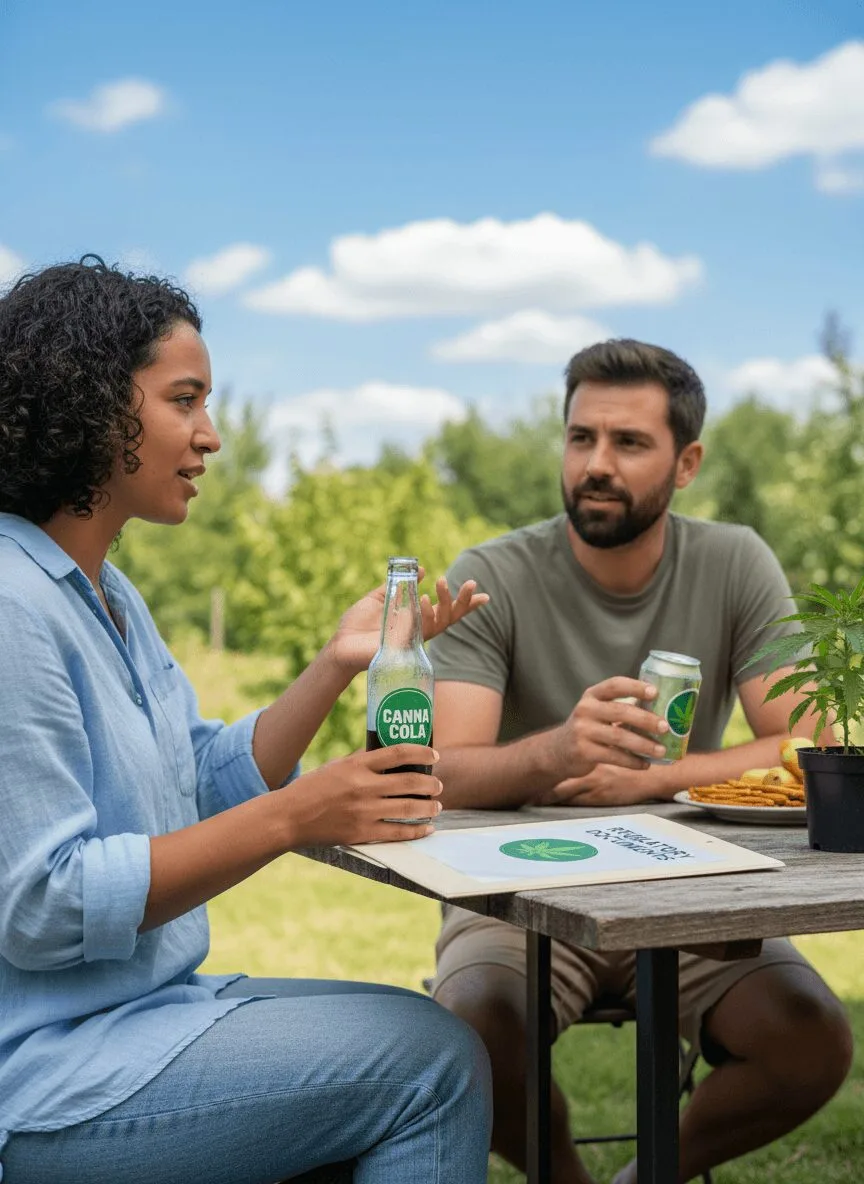
The conversation about regulating hemp-derived THC drinks is front and center right now—and for good reason. As the market for cannabis-infused beverages explodes, lawmakers and industry insiders are scrambling to ensure these products are both safe and accessible. With recent reviews and proposed restrictions making headlines, it’s time for a deep dive into what’s actually happening and why it matters to consumers, producers, and the broader cannabis community. This article unpacks key background details, major developments, expert perspectives, and the future of regulating hemp-derived THC drinks.
The Rise of Hemp, Legal Nuance & Market Evolution
Understanding the push for regulating hemp-derived THC drinks means looking beyond hype to the law itself. The 2018 Farm Bill redefined hemp, cannabis with less than 0.3% THC, as legal federally, giving rise to a wave of hemp-derived products, including THC beverages (Congressional Research Service). The loophole? While traditional cannabis remains regulated by state laws, hemp-derived cannabinoids like delta-8 and delta-9 THC often slip through federal and state cracks, creating an innovative but uneven playing field.
An entire genre of cannabis drinks has emerged, catching both state regulators and industry trailblazers off-guard. The evolving regulatory landscape is forcing lawmakers to learn from previous substance regulation models, as described in lessons from alcohol, tobacco, and cannabis legalization. Social acceptance has followed quickly, especially as consumers embrace low-dose, sessionable beverages as alternatives to alcohol. Yet, market growth has stirred up questions about underage access, labeling, and public health, leading to growing support for clear, cohesive guidelines. According to the National Organization for the Reform of Marijuana Laws (NORML), U.S. sales of cannabis beverages are expected to double within a few years, urging lawmakers to clarify regulations and protect public confidence. Regulators are under pressure to balance innovation, public safety, and fair competition as an entire industry finds its feet.
Recent Regulatory Moves, Policy Drafts & Industry Reaction
Early February 2026 saw Rhode Island’s cannabis regulators reviewing proposed restrictions that could reshape the future of regulating hemp-derived THC drinks. The Rhode Island Cannabis Control Commission unveiled new draft rules at a public meeting, targeting the labeling, sale, and content limits of these beverages. The most discussed stipulations include stricter age verification for buyers, THC concentration caps, and enhanced warning requirements. Massachusetts, Minnesota, and Illinois have launched similar regulatory reviews in response to surging sales and product diversity (MassLive). States across the country are also facing broader cannabis policy reform, as seen in updates on shifting laws and industry opportunities through 2026.
- Age Limits: Only adults aged 21 and older may purchase or possess these drinks.
- Product Caps: Maximum THC per beverage serving and per package.
- Labeling: Prominent warnings, ingredient transparency, and prohibition of youth-orientated branding.
- Distribution Controls: Licensed, registered sellers only, no gas stations or convenience stores.
Local producers like Ocean State Beverage Co. and Little Leaf Laboratory attended the hearing, voicing support for basic guidelines but emphasizing the need for fair, business-friendly solutions. The commission received dozens of written comments from stakeholders, reflecting wide-ranging views across the state’s thriving hemp-derived THC drinks sector. Nationwide, other states have watched closely. Recent incidents of mislabeled products and accidental overconsumption have spurred further review, appearing in media outlets such as Marijuana Moment to highlight evolving risks and responses.
Industry Insights, Balancing Safety & Progress in Regulating Hemp-Derived THC Drinks
Cannabis insiders largely agree that regulating hemp-derived THC drinks, while occasionally frustrating, is a critical milestone on the industry’s path to legitimacy. The rapid influx of new brands and products means the Wild West days are numbered. This transition to heightened oversight is especially important for states like South Carolina, where legislative decisions can set important precedents, as examined in how recent lawmaker votes shape the future of regulating hemp-derived THC drinks. Thought leaders emphasize the need for nuanced policy and responsible innovation, not just blanket restrictions.
Jessie Flynn, a regulatory affairs expert quoted in a Cannabis Business Times analysis, summed it up: “The key is harmonizing consumer safety with business opportunity. Over-regulation could drive consumers back to the illicit market, while under-regulation risks public trust. That’s why smart, clear standards matter.”
Major legal actions, like lawsuits over unclear labeling or intoxication risks, underscore the need for regulatory clarity beyond mere prohibition. The fact that several states already have successful retail beverage pilots (for example, Minnesota’s controlled THC seltzer programs) demonstrates that a pragmatic, thoroughly monitored approach works.
Simply put: most industry leaders support evidence-based oversight, not just headline-chasing crackdowns. Instead of restricting growth, they argue targeted regulation encourages product quality, consumer education, and mainstream adoption. As seen in Ganjapreneur, many entrepreneurs are already exceeding proposed safety and marketing standards ahead of regulations, underlining both market maturity and readiness for sensible rules.
This ongoing debate reflects a wider shift, responsible cannabis consumption is going mainstream, and the discussion about regulating hemp-derived THC drinks shows how much progress is possible when communities, lawmakers, and businesses communicate honestly.
Outlook: A Smarter Path for Regulating Hemp-Derived THC Drinks
The path to regulating hemp-derived THC drinks isn’t just about rules—it’s about opportunity. Stakeholders on all sides are overwhelmingly calling for clarity, not crackdowns. If Rhode Island’s draft rules and other states’ evolving frameworks serve as a model, we’ll likely see more states fine-tune their approach, ensuring safety while supporting cannabis business innovation.
With major industry projections showing continued growth and reports from groups like Benzinga predicting the U.S. cannabis drinks market to soar, this is one regulatory revolution that cannabis culture can embrace. The focus is shifting from outright controversy to getting it right—with everyone at the table. If the current momentum holds, expect increased product transparency, responsible retail experiences, and broader social acceptance as regulating hemp-derived THC drinks becomes the industry norm.
Originally reported by: rhodeislandcurrent.com


1 Comment
Pingback: Shocking Teacher Marijuana Arrest: What Happened in Athens ISD?