





Reducing drug use stigma: How Madison is making change
If you haven’t noticed, reducing drug use stigma is having a big moment—right in the middle of Madison’s bustling community scene. The way we talk about cannabis, drug use, and harm reduction in 2024 is different than it was even a year ago. Real voices, real people, and community advocates are shining new light, openly challenging outdated narratives. This shift addresses not just law and market trends, but deeper social transformation. Let’s unpack what’s fueling Madison’s progress, why people are rallying around the cause, and how reducing drug use stigma is shaping a better, more inclusive future for everyone.
Pushing Past Prohibition: The Social & Legal Roots of Drug Use Stigma
Reducing drug use stigma means confronting decades, heck, centuries, of bad laws and even worse stereotypes. Dragged by everything from the War on Drugs (ACLU) to local ordinances, negative biases have shaped public perception for generations. Even as states like Wisconsin still drag their feet on full cannabis reform, momentum is undeniable. Cities like Madison are at the forefront, allowing for personal cannabis possession and promoting harm reduction ideas previously unthinkable in the Midwest. The push for reducing drug use stigma links to broader social equity matters, centered on decriminalization, restorative justice, housing rights, and health equity. Industry research from New Frontier Data and recent Pew Research Center findings show growing public support for both medical and adult-use cannabis. Headlines such as a shocking Navarro cannabis farm forced-labor scandal remind us how urgent transparent and ethical reform is. Yet, the stigma persists, especially outside legal markets, impacting everything from employment to healthcare access and the simple dignity to gather and talk openly.
Community-Driven Change: How Madison Tackles Drug Use Stigma Head-On
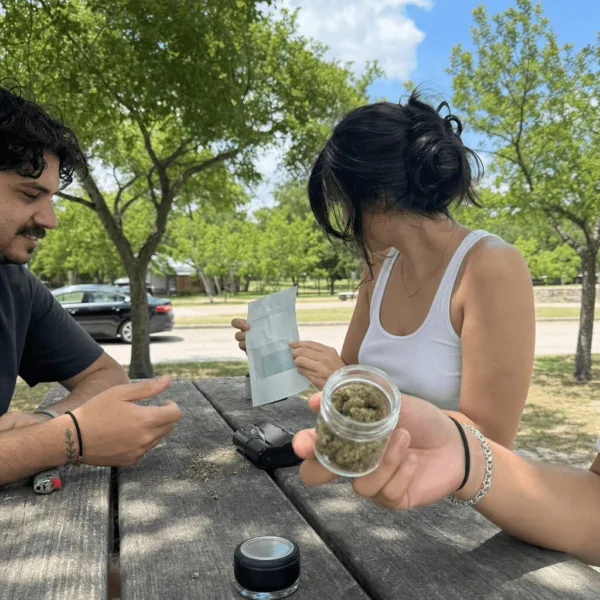
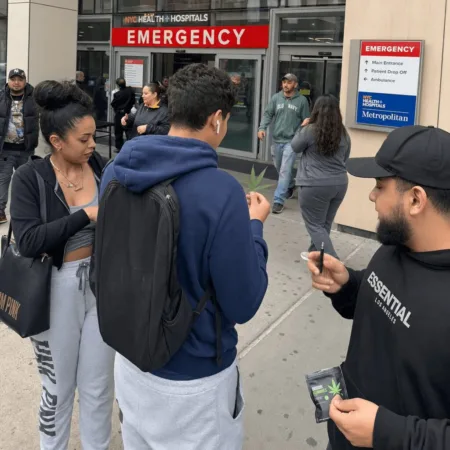
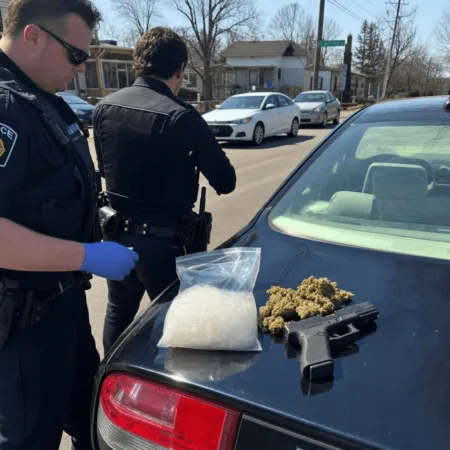
On a sunny afternoon in April 2024, Madison made headlines for walking the walk, hosting a community event designed to spark authentic conversations and break down barriers around drug use. Local advocacy groups, healthcare workers, educators, and people with lived experience gathered outdoors, distributing resources, sharing stories, and straight-up calling out the harms of stigma. Organizers didn’t shy away from tough subjects: harm reduction, overdose prevention, responsible cannabis use, and how stigma heightens health risks. According to Channel 3000 News, the event featured workshops, street-level outreach, and creative stations distributing practical tools such as informational pamphlets and safe-use kits. Recent stories like the East Memphis drug bust show the dangers of persistent stigma and over-policing in communities. Speakers from groups like Safe Communities Madison and recovery-focused nonprofits emphasized that reducing drug use stigma starts in neighborhoods, not just statehouses or corporate boardrooms. Key development: attendees reported less fear and embarrassment, fostering more open discussions about recovery, resources, and community healing. Multiple medical professionals highlighted recent data showing stigma’s direct link to poor public health outcomes, addiction rates, and barriers to care. This communal event formed one of the region’s first openly public displays showing real progress toward reducing drug use stigma at the grassroots level.
Expert Insights: Why Reducing Drug Use Stigma Matters (And Works)
Let’s get real, a single event doesn’t erase generations of shame, but it lights a fuse for broader change. Cannabis industry advocates and harm reduction experts agree: reducing drug use stigma saves lives, enhances economic opportunities, and reduces recidivism. In the words of longtime advocate and educator Dr. Rachel Knox (Cannabis Wire): “When communities move to reduce drug use stigma, they’re investing directly into public health, workforce participation, and honest recovery. It’s not just about cannabis; it’s about compassion, evidence, and plain-old common sense.” Studies published in reputable outlets like NCBI link lower stigma to fewer overdoses and improved trust in medical systems. As examples from overseas marches show, demystification leads to civic engagement and more open policy discussions. Data reported by Marijuana Moment and Leafly tracks the ripple effect: in states and cities where public events demystify drug use, there’s measurable growth in both civic engagement and policy reform momentum. Madison’s step is not an isolated move, it’s part of a wave cresting throughout the Midwest, backed by the expertise of harm reduction specialists and social workers who argue that support networks, honest education, and stigma reduction are all non-negotiable pieces of any sustainable drug policy.
The Road Ahead: Madison’s Ripple Effect and a Hopeful Cannabis Future
Madison’s push for reducing drug use stigma is more than a feel-good moment; it’s a blueprint for regional and national change. As events like these keep popping up, real-world impact is growing—fewer people feel isolated, more seek treatment, and conversation replaces condemnation. Recent NORML reports show that nearly 7 in 10 Americans now support legal cannabis—proof that the winds are changing, fast. What started on local greenspaces is fueling policy discussions at city councils and in state legislatures. Industry growth means more jobs, more research, and less shame, as advocates and entrepreneurs pave the way for a more just, health-centered approach to drug use. Reducing drug use stigma in Madison sets the tone for future reforms, with the hope that every step forward brings us closer to acceptance, dignity, and health for communities everywhere.
Originally reported by: channel3000.com

1 Comment
Pingback: Medical Cannabis Lawsuit Effectiveness: What You Need to Know