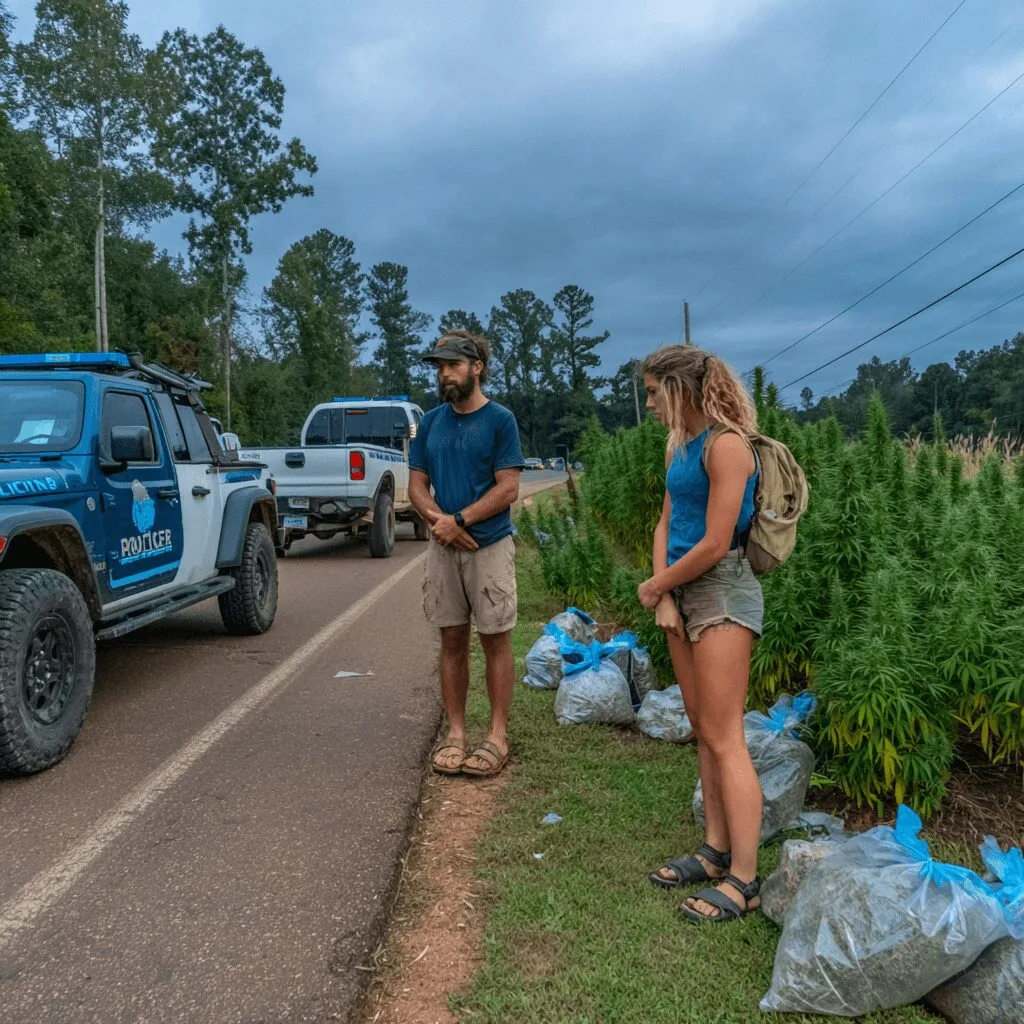
Rankin County marijuana bust: Massive Seizure, 2 Arrested
In this era of shifting attitudes toward cannabis, the Rankin County marijuana bust has thrown Mississippi into the national spotlight. With changing laws nationwide and a swelling cannabis industry, every enforcement action sends ripples through both the community and the market. Recent headlines about a massive marijuana seizure in Rankin County have ignited heated discussions on local policy, industry progress, and the clear disconnect between public opinion and entrenched regulations. Let’s break down what happened, why it matters now, and how it fits into cannabis’s ever-changing narrative.
Understanding the Cannabis Climate: Legal, Social, and Industry Backdrop
To understand the Rankin County marijuana bust, it’s crucial to look at Mississippi’s complex cannabis landscape. Despite progress in nearby states, Mississippi still stands at the crossroads between prohibition and reform. According to Marijuana Policy Project, medical cannabis only became legal in the state in 2022, with stringent regulations and limited access. Recreational use remains illegal. Strong social taboos persist, influenced by decades of ‘war on drugs’ rhetoric, though polling by Pew Research Center shows public support for legalization is rising even in conservative regions. Meanwhile, the legitimate cannabis business has flourished across much of the U.S., with Forbes reporting an estimated $33 billion in national cannabis sales for 2023. This dichotomy, the gap between evolving markets and outdated laws, set the stage for the Rankin County marijuana bust and the reactions that followed. Recent industry developments, such as efforts to regulate hemp and cannabis regulation in 2025, reflect similar hurdles and hope nationwide.
Breaking Down the Bust: Timeline, Legal Details, & Authorities Involved
Let’s get straight into the gritty details. According to a report by WLBT News, Rankin County Sheriff’s deputies executed a significant bust on November 14, 2025. Officers recovered more than 600 pounds of processed marijuana during a traffic stop near a rural roadside. Two individuals were detained and face felony drug trafficking charges under Mississippi’s harsh anti-cannabis statutes. Law enforcement said the seizure was one of the largest in recent county history. The operation involved marked sheriff’s vehicles and led to the detention of suspects adjacent to a pickup truck reportedly loaded with cannabis plants and large bags of product. Under Mississippi law, possession of more than 5 kilograms constitutes major trafficking, carrying potential multi-decade sentences, as referenced by Mississippi Lawyer. No licensed cannabis businesses were implicated, but the volume indicated suspected interstate activity, highlighting ongoing clashes between state policy and underground market realities. The spread of such news, from local outlets to national cannabis industry channels, mirrors the types of attention garnered by expanding dispensaries in regulated states that show how differing state laws create vastly different outcomes around enforcement.
Expert Perspective: What the Bust Really Means for the Industry
For longtime cannabis watchers like myself, the Rankin County marijuana bust isn’t just another headline, it’s a case study in America’s patchwork policy problems. Legal gray areas foster an environment where risk, enforcement, and stigmas persist, even as public attitudes shift. As Leafly senior editor Bruce Barcott notes: “Whenever there’s a major bust in a prohibition state, it highlights the urgent need for regulatory harmony. These incidents rarely put a dent in demand but create lasting hardship for low-level participants and perpetuate criminal justice imbalances.” Economic data from Statista reinforce that the legal market continues to outpace enforcement, especially where local policies lag. Residents remain exposed to risks and penalties, even as other places, like the New York cannabis industry, face very different challenges and opportunities due to their own evolving regulations. That insight brings urgency to every Rankin County marijuana bust, giving national advocates and local voices alike another rallying point for reform.
Looking Ahead: Policy Change, Market Growth, and Social Acceptance
If history is a guide, the Rankin County marijuana bust will fuel debate and—hopefully—change. Mississippi’s slow crawl toward medical cannabis is proof that progress, though incremental, is possible. Each high-profile seizure reminds voters and lawmakers of the need for fairer laws and smarter enforcement. According to NORML, states with reformed cannabis policies see drops in illicit trafficking and public spending on enforcement, redirecting energy toward education and legitimate industry growth. As attitudes evolve and business booms nationally, the future in Mississippi and beyond is rooted in pragmatic reform and community resilience. Cannabis’s journey from taboo to mainstream—a journey shaped by every story, every bust—marches forward on the path to normalization.
Originally reported by: wlbt.com