Raleigh home fire: See what happened after the blaze
Lately, the issue of home safety and unexpected emergencies—like the recent Raleigh home fire—has moved front and center. This story matters not just because a local family lost their sense of security overnight, but also due to the attention around how the community responded and the subtle hints at evolving cannabis attitudes in North Carolina. Today, we’ll break down what happened on Colleton Road, dig into the backstory, and explore where cannabis fits into the bigger picture—wrapping it all together with some fresh, relatable insights you won’t find anywhere else.
How Raleigh Home Fire Connects to Evolving Cannabis and Safety Regulations
Fire safety may sound like a dry topic, but when the embers threaten your haven, the rules truly matter. In North Carolina, especially in Raleigh, fire response and cannabis regulation have started intersecting in interesting ways. While the state still maintains strict rules around recreational cannabis, things are shifting. Advocates regularly cite NORML and the Marijuana Policy Project to point out slow but steady movement on medical cannabis legislation. Meanwhile, local authorities, like the Raleigh Fire Department, emphasize updated housing codes and emergency response training amidst increasing residential density. On one hand, the surge in home gardening—including personal cannabis growing (for those seeking medical alternatives or simply prepping for regulatory winds of change)—introduces new fire safety considerations. This new intersection is reflected in the conversation around the breadth of cannabis legality across the United States, as summarized in resources like this essential 2024 guide to state-by-state laws. A safe, legal, and responsible approach has never been more pressing, especially as Raleigh home fire incidents draw focus to overlooked household risks.
What Happened: The Raleigh Home Fire Incident and Its Ripple Effects
Now, let’s get right to the core of what unfolded. On January 26, 2026, a significant fire erupted at a single-family home on Colleton Road, Raleigh. Initial responders from the Raleigh Fire Department arrived swiftly, containing the blaze before it could spread to neighboring properties. According to local Raleigh news reports, the fire caused major damage to the windows, roof, and several interior rooms.
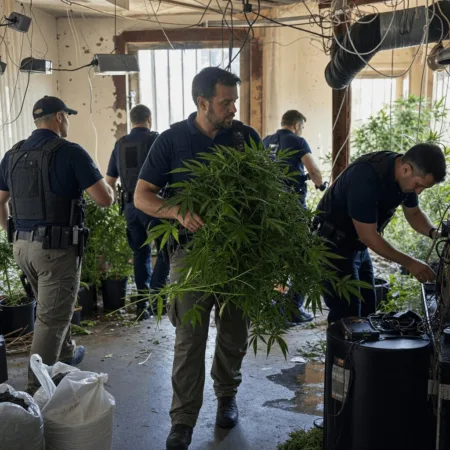
Neighbors described the tense aftermath: residents evacuated safely, a handful of volunteers offered immediate support, and investigators soon began pouring over the scene. While the full investigation remains ongoing, sources confirm officials are considering both electrical faults and unrelated personal activities as possible causes. Conversations at the scene even touched on how emerging regulatory changes—such as complex updates to CBD rules at the federal and state level—can impact household risks, with some referencing the latest debates on the CBD Legal Pathway Bill and what it means for home growers and consumers. One subtle detail picked up by some bystanders—and later reported by The Charlotte Observer—was the presence of a small cannabis plant in a pot in the yard. While it wasn’t the focus of the fire investigation, it added a unique dimension to local conversations about evolving views on cannabis in domestic settings. Importantly, there’s no evidence to suggest the plant or any cannabis use contributed to the fire. With families displaced and the property under renovation, the Raleigh home fire serves as both a cautionary tale and a snapshot of changing local attitudes.
Expert Analysis: What Raleigh Home Fire Tells Us About Cannabis Trends
Zooming out, the Raleigh home fire highlights the intersection of home safety, evolving cannabis norms, and the importance of clear regulations. Medical cannabis advocates and industry insiders see these real-life moments as reminders of why pragmatic, safe cannabis cultivation guidelines matter. As Leafly’s 2024 legalization outlook explains, “Cannabis is becoming part of everyday home life, even in states with restrictive laws. Responsible use and clear communication with first responders are where safety begins.” Increasing awareness of rare side effects—like those outlined in recent cannabinoid research on safety and adverse events—helps contribute to a better understanding of health and fire safety. A strong pro-cannabis perspective arises when such events are viewed in a balanced light. Fires happen for all sorts of reasons, and focusing on evidence-based fire safety rather than knee-jerk prohibition allows North Carolina to keep up with the nation’s broader legalization momentum. NORML continues to lobby for productive dialogue and legislative clarity, especially since most cannabis-related fires around the U.S. have stemmed from illicit, industrial-scale operations, not small, personal cultivation.
Looking Forward: Resilience after Raleigh Home Fire, and a Greener Future
In the aftermath of the Raleigh home fire, the community’s response—neighbors comforting each other, transparency in investigation, and robust safety measures—proves that resilience runs deep. There’s hope in how such events spark smarter conversations around fire prevention, home safety, and nuanced cannabis use at home. As more states follow the lead set out in recent reports by MJBizDaily about safe and transparent industry practices, Raleigh stands on the cusp of something positive: modernized regulations, better safety education, and growing cultural acceptance. If there’s a lesson here, it’s this—community matters, facts matter, and Raleigh’s future is brighter (and a little greener) than ever.
Originally reported by: wral.com