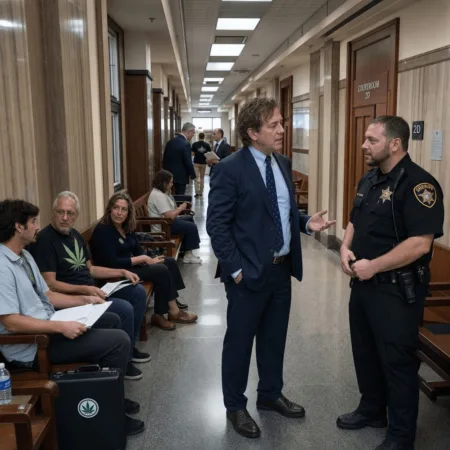
Psychedelic Therapy Approval: Trump Administration’s Fast-Track Move
The conversation around psychedelic therapy approval is heating up like never before. With recent moves from the Trump administration and rising public interest, this topic is transforming mainstream medicine and policy debates. Today’s update dives into why this issue has everyone buzzing—from patients and professionals to lawmakers and long-time industry advocates like myself. We’ll dig into the context, spotlight key developments, and break down what it all means for the future of cannabis and psychedelic regulation. Buckle up—this fast-changing landscape shows no signs of slowing down.
The Regulatory Backdrop: Shifting Views on Psychedelic Therapy Approval
For years, U.S. regulators treated psychedelics as taboo, lumped together with cannabis and other controlled substances, relegated to the Schedule I list. That’s started to shift dramatically. In recent years, federal agencies like the Food and Drug Administration (FDA) have signaled openness toward scientific studies involving psilocybin and MDMA, according to the FDA. Meanwhile, state-level legalization and decriminalization efforts are gaining steam, where Oregon legalized therapeutic psilocybin use in supervised settings, while several cities including Denver and Oakland have relaxed enforcement. This new openness is directly fueling high-level policy discussions and shaping the psychedelic therapy approval landscape. Social attitudes are also rapidly evolving, as shown in a 2023 Pew Research study, a majority of Americans support access to alternative medicines, including plant-based therapies. Such support puts pressure on federal and state agencies to reconsider outdated laws, especially as promising clinical trial results roll in. In households nationwide, honest conversations about potential family marijuana use concerns have started to mirror debates on psychedelics, reflecting shifting norms that every household needs now. Cannabis industry leaders have watched closely, understanding that psychedelic therapy approval could signal a broader shift in how the U.S. treats plant medicines as a whole.
Key Developments: Trump Administration Pushes the Needle on Psychedelic Therapy Approval
The catalyst for this news cycle was an unexpected revelation during Robert F. Kennedy Jr.’s recent discussion with Joe Rogan. Kennedy disclosed that members of the Trump Administration are ‘very anxious’ to see psychedelic therapy approval move forward as rapidly as possible. According to Kennedy, decision-makers are keen on fast-tracking research and clinical access, reflecting a rare bipartisan alignment in an otherwise divided political environment. This marks a noteworthy acceleration compared to previous federal stances. Back in 2019, the FDA granted Breakthrough Therapy status to psilocybin treatments for depression, and in 2021, to MDMA-assisted therapy for PTSD. Still, these moves did not signal overt political support, until now. Trump-era appointees, as Kennedy’s remarks reveal, are focused on pushing the envelope, possibly motivated by fresh research indicating that these treatments may help with addiction, anxiety, and even chronic pain. These signals arrive amid a broader reevaluation of drug policy in America, including the DOJ’s recent review of cannabis’ federal status, as cited in Marijuana Moment. In states like Colorado and Oregon, successful regulatory models for supervised psychedelic use are helping set national precedents. In parallel, similar regulatory changes in other areas of cannabis are taking place, for example with increased scrutiny on issues like cannabis product recalls in New York, reflecting a growing focus on consumer safety as plant-based policy shifts accelerate nationwide.
Expert Analysis and Pro-Cannabis Perspectives on Psychedelic Therapy Approval
Let’s break it down from the inside, the Trump administration’s shift represents more than a talking point, it’s a tidal wave hitting a long-stagnant policy sea. As Leafly reports, well-managed, data-driven psychedelic therapy programs have shown strong safety profiles when administered professionally. Dr. Rachel Knox, a widely respected endocannabinologist, is blunt: ‘The evidence showing the benefit of psychedelic therapy approval is frankly too robust to ignore. This is the future of integrative medicine, especially when overseen by trained professionals.’ For the cannabis world, this is a canary in the coal mine, once policymakers accept the science, legal evolution follows, just as it did for medical and adult-use cannabis. These new moves are also drawing attention from mainstream institutions, as outlined in a recent JAMA Network report that details the promising clinical impact of MDMA and psilocybin for otherwise intractable conditions. Still, the pro-cannabis contingent cautions patience, regulatory change takes time. As more states modernize their stances, hopeful models such as West Virginia’s push for medical psilocybin show how science, social will, and the right climate for psychedelic therapy approval can make this more than just a policy buzzword, but a national reality.
What’s Next? Psychedelic Therapy Approval and the Future of Plant-Based Medicine
If you’re keeping score, the race for psychedelic therapy approval signals just how quickly tides are turning in America’s approach to plant-based wellness. With supportive scientific data, shifting political rhetoric, and state-level initiatives leading the way, federal reform now seems less futuristic and more inevitable. Many predict this movement will further fuel cannabis sector innovation, as legal and social boundaries continue to dissolve. As Cannabis Business Times forecasts, the industry’s next decade is likely to be defined by cross-sector therapies, continued market growth, and greater mainstream legitimacy. I’m feeling optimistic: for patients and advocates, the winds of change aren’t just blowing—they’re howling. Plant medicine is finally stepping out of the shadows, and psychedelic therapy approval might just be the key that unlocks a healthier, more open-minded future for all.
Originally reported by: marijuanamoment.net