Inside the Psychedelic Mushroom Church: The Untold Story
Interest in the psychedelic mushroom church phenomenon has skyrocketed in 2024, thanks to a surge in media coverage, legal intrigue, and shifting public perceptions. While mainstream cannabis culture continues its rapid evolution, a fresh wave of spiritual seekers and alternative wellness advocates are exploring psychedelic mushroom churches for community and healing. This story dives into the controversy, colorful realities, and potential legal and cultural shifts that make these faith-based groups surprising—and wildly relevant—right now.
Background: How Psychedelic Mushroom Churches Emerged in a Changing Landscape
The psychedelic mushroom church, while headline-grabbing, is rooted in decades of spiritual experimentation, civil liberties activism, and evolving attitudes toward psychoactive substances. The movement is inspired by historic entheogenic practices, as seen in indigenous cultures and modern ceremonial gatherings. Recent decriminalization moves in cities like Denver and Oakland, together with Oregon’s pioneering legalization of psilocybin therapy, have created fertile legal gray zones. According to Leafly, these regulatory shifts have emboldened new organizations to frame psilocybin use as a genuine religious sacrament. At the same time, Colorado’s unique regulatory climate has been shaped by ongoing events in the cannabis space, such as major product recalls that impact how communities consider regulating other substances. But it’s not just lawmaking that’s fueling change. Mainstream researchers and clinical bodies are warming up to the therapeutic value of psychedelics, citing promising trials for depression and PTSD reported by sources like Nature. Still, these churches push against both traditional religious norms and federal drug laws, seeking legal protection under the Religious Freedom Restoration Act.
Key Developments: Inside the Untold Story of the Psychedelic Mushroom Church
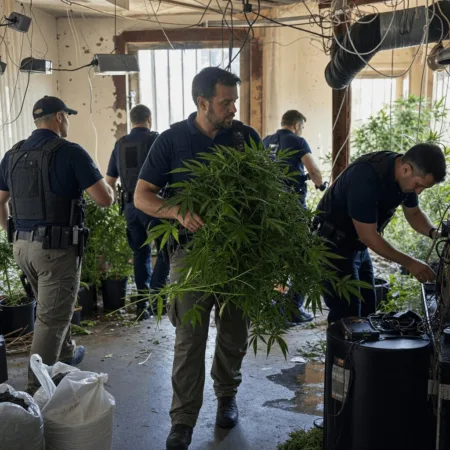
According to major NPR reporting, psychedelic mushroom churches have gained traction across multiple U.S. states. In January 2026, a headline-making congregation in the Pacific Northwest faced a legal standoff with state authorities after hosting a series of high-profile ceremonies featuring psilocybin and cannabis rites. The group, led by longtime organizer Eli Mathews, argued that their use of psychedelic mushrooms was constitutionally protected, similar to debates that unfold when local communities are forced to assess the legal and cultural risks surrounding high-profile drug busts. Across the country, communities with roots in cannabis activism—think Oakland’s Temple of Awakening, and Florida’s Sacred Mycelium Collective—are forming brightly visible networks. Some churches openly livestream their ceremonies, inviting both scrutiny and solidarity. Legal filings reviewed by Rolling Stone in 2025 detailed how church members asserted their spiritual rights under federal and state constitutions, sparking hot debates about the limits of religious freedom versus drug policy. By late 2025, several members faced misdemeanor charges for psilocybin possession, but many prosecutions ended in community service or, occasionally, disbanded cases due to First Amendment concerns.
Analysis: What Psychedelic Churches Reveal About Today’s Cannabis Culture
As a longtime cannabis industry advocate, I can tell you, interest in the psychedelic mushroom church is about more than getting legally lit. It’s a vivid example of how psychedelic and cannabis cultures often overlap, blending spiritual curiosity with the fight for individual autonomy. This resonates deeply in regions where evolving hemp and THC regulation, such as recent pushback against bans on hemp-derived THC products, demonstrate the complexity of plant medicine policy. It’s also a barometer for broader acceptance of plant-based medicine. Industry leaders like Dr. Amanda Reiman, cannabis policy expert and former California NORML manager, capture the zeitgeist: “When faith and wellness collide with legal activism, progress tends to follow. We’re watching the boundaries of social acceptance shift in real time.” (Leafly). From a practical angle, these cases could lay the legal groundwork for more solid religious-use defenses, much like cannabis’s long road to medical acceptance. Critics worry about public health risks or the potential for abuse, but the overwhelming trend, seen in culturally savvy outlets like The Conversation, is toward normalized, responsible use framed by community and consent. The cannabis sector has been here before, building credibility through education and persistent advocacy even in the face of skepticism.
Looking Forward: The Future of Psychedelic Mushroom Churches & Cannabis Liberation
With each new development, the psychedelic mushroom church movement deepens the national conversation around personal freedom, spiritual exploration, and regulatory reform. Cannabis culture veterans already know that progress hinges on public education, legal innovation, and a persistent push for human rights—values echoed by today’s mushroom churches. As states like Oregon and Colorado refine their psilocybin regulations, the likelihood of further integration between these communities and mainstream cannabis culture grows (MJBizDaily). The big picture: both movements are on parallel paths, and both are driving America toward a more liberated, health-focused, and open-minded society.
Originally reported by: npr.org