





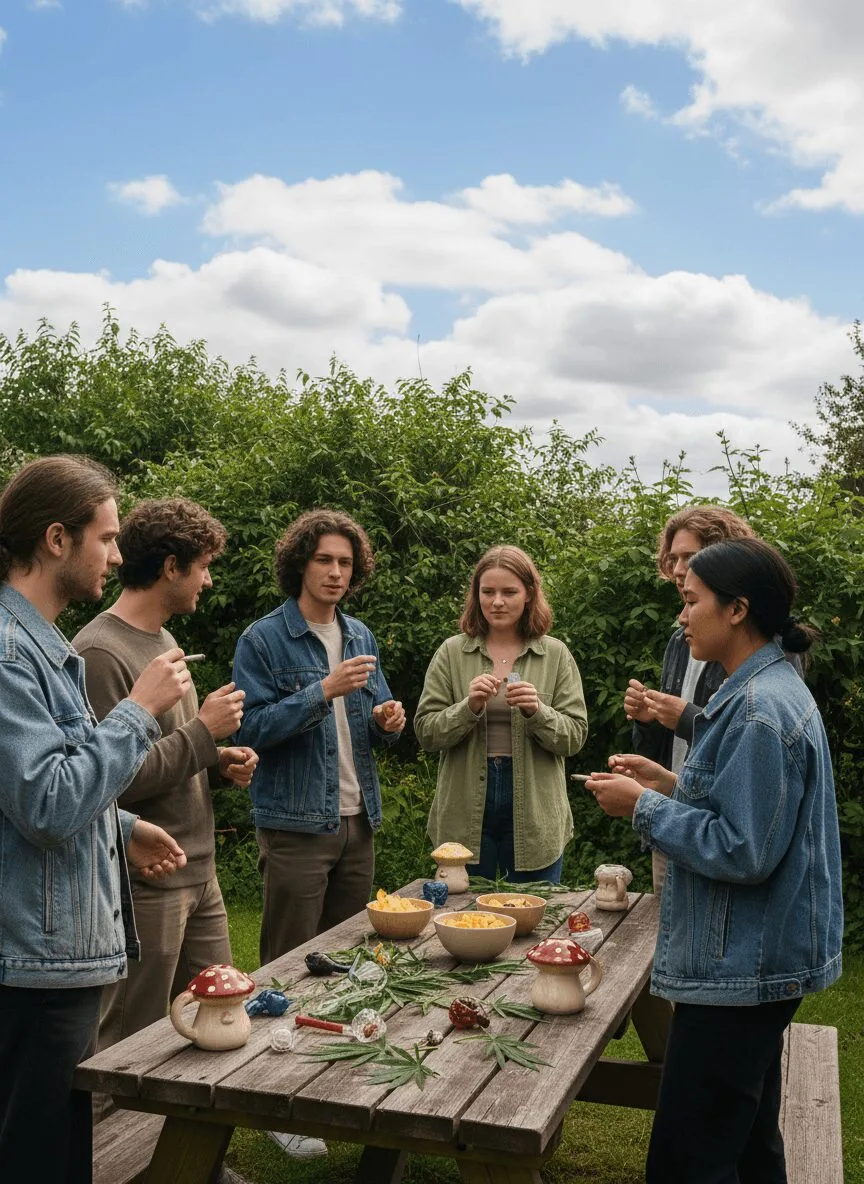
Unpacking the Psychedelic Jesus Theory: Shrooms, Cannabis & Faith
Every so often, a new angle in religious history stirs up serious talk within cannabis and psychedelic communities. The psychedelic Jesus theory—the idea that sacred hallucinogens shaped early Christianity—is gaining media spotlight and provoking fresh debate. With religious attitudes toward cannabis evolving, this theory is arriving right as legal access and cultural acceptance of psychedelics are expanding in places like Oregon and Colorado. In today’s world, where plant medicine and spirituality are hot topics, understanding this debate matters for both cultural context and for the industry itself. Let’s explore how this theory is making waves, influencing perceptions, and what it means for the greater cannabis and psychedelics movement.
Context: Changing Attitudes Toward Cannabis, Psychedelics, and Religion
The growing fascination with the psychedelic Jesus theory fits a larger trend, as the mainstreaming of both cannabis and psychedelics intersects with major cultural shifts. Thanks to recent regulatory reforms, concepts that once stayed underground now spark public discussion and policy debates. Since 2020, Oregon legalized psilocybin for therapy, and Colorado created regulations for natural medicines. Meanwhile, the cannabis industry has experienced rapid expansion, with more states opening up recreational and medical markets, as demonstrated by regional efforts such as Georgia’s advocacy for legislative change in 2024. Simultaneously, Americans are revisiting connections between spirituality, health, and psychoactive substances, as outlined by major polls from Pew Research Center. Growing curiosity—and media coverage—signals a broader social transformation, turning the debate about Jesus, psychedelics, and cannabis into a topic with cultural as well as legislative ramifications. Some theologians and historians now openly ask whether early Christians might have utilized plant medicines for religious experience, drawing both academic and public attention to the question.
Key Developments: The Roots of the Psychedelic Jesus Theory
Emerging coverage by Vice (read the article) describes the evolving narrative of the psychedelic Jesus theory. The discussion traces back to speculation by unconventional researchers in the 1970s. This theory suggests early Christian rituals may have featured substances like psilocybin mushrooms and cannabis-infused oils, supported by references in some ancient texts. Explorers such as John M. Allegro and cannabis historian Chris Bennett have cited linguistic evidence to bolster their claims. Today, social theorists are leveraging podcasts and online forums to revisit these ideas, a movement aided by shifting laws and new opportunities for academic study. The conversation gained remarkable momentum during pandemic lockdowns, when virtual panels brought together scholars, ethnobotanists, and advocates—many of whom have contributed to platforms like Psymposia. The ongoing debate is not just spiritual, it impacts public health and regulatory policy. With state-level legalization advancing, the psychedelic Jesus theory is more relevant than ever for faith groups reconsidering plant-based practices. A parallel can be seen in the surge of research into psychedelic-assisted therapy, particularly recent breakthroughs treating resistant depression with psilocybin, highlighting how new studies are informing both scholarly and regulatory responses.
Expert Insights: Cannabis, Sacred Ritual, and Social Evolution
Central to the psychedelic Jesus theory is its challenge to assumptions about spirituality and plant use. As regulatory barriers fall, respected voices in the cannabis industry are weighing in. Amanda Reiman, PhD, a leading policy expert, recently observed in Marijuana Moment, “These conversations show just how vital community, ritual, and intention have always been to our use of these plants. Whether you’re lighting up in a modern city or participating in sacred ceremony, the boundaries between spirituality and cannabis are not as rigid as we once believed.” Other industry leaders echo this sentiment, seeing growing curiosity about plant-sacrament traditions as a driving force behind both consumer behavior and new research. Should the psychedelic Jesus theory prove historically accurate, it may destigmatize the blending of cannabis and psychedelics into both personal and communal wellness. Regulatory momentum—bolstered by the latest NORML year-in-review—indicates increasing openness to plant-based spirituality. At the same time, real-world policy changes such as North Carolina’s updated hemp laws shaping the future for farmers show how legal reforms directly impact local communities and the broader conversation about cannabis and spiritual practice.
Future Outlook: Faith, Freedom, and Cannabis Industry Growth
Looking ahead, the psychedelic Jesus theory isn’t just a cultural curiosity—it’s another driver reshaping how our society views cannabis, psychedelics, and faith. As regulatory changes accelerate and more people embrace plant medicine, conversations about sacred ritual will become even more mainstream. Social acceptance is rapidly expanding, with major polls—cited by Gallup—showing record support for legal, regulated cannabis. The coming years could see more churches and advocacy groups calling for research, open dialogue, and destigmatization. For those of us in the trenches, that means more freedom to explore, heal, and connect—spiritually, socially, and yes, sometimes over a good smoke. In short, the theory may be controversial, but its impact is proving nothing short of transformational.
Originally reported by: vice.com


1 Comment
Pingback: Mindful Cannabis Wellness: Boost Your Daily Balance Today