Psilocybin vs Antidepressants Meta-Analysis: Surprising Results!
Lately, the buzz around alternative mental health treatments has skyrocketed. The situation is evolving fast, with traditional pharmaceuticals meeting new contenders like psychedelics—and the latest psilocybin vs antidepressants meta-analysis just dropped a reality check few saw coming. As research continues to challenge both old norms and emerging trends, it’s crucial to understand what the data really tells us about how psilocybin stacks up against established antidepressants. This breakdown will guide you through the fresh findings, the cannabis angle, and why these debates matter for anyone interested in a more progressive, science-driven approach to mental wellness.
Background: Regulatory, Legal, and Social Vibes
The conversation around mental health treatments has exploded, thanks in part to a global rise in anxiety and depression. In recent years, regulators like the FDA have shown growing interest in psychedelic therapies alongside classic antidepressants. But legal status still varies: while SSRIs have been script-standard since the late ’80s, compounds like psilocybin are entering a regulatory gray zone, approved in clinical trials and certain cities but still largely prohibited federally. Public perceptions are shifting: a 2023 Pew Research Center poll found half of Americans support research on psychedelics, even as many have safety concerns. The cannabis industry, riding its own legalization wave, has become a natural ally in this new mental health movement, leading to some surprising intersections and policy debates galore. For example, as lawmakers evaluate the intersection of cannabis and psychedelics, there have been significant developments in legislation, such as bold shifts in psilocybin and cannabis laws that are reshaping the regulatory landscape.
Key Developments: The Latest Psilocybin vs Antidepressants Meta-Analysis and Industry Moves
The headline from the latest psilocybin vs antidepressants meta-analysis is a plot twist: psilocybin, the superstar of the psychedelic renaissance, showed no statistically significant benefit over traditional antidepressants. Published in a reputable neuroscience journal and covered in-depth by Psychedelic Alpha, the study synthesized multiple clinical trials and found outcomes for depression improvement were about the same between groups receiving psilocybin and those on standard SSRIs like sertraline. This comes as numerous companies, such as Usona Institute and Compass Pathways, compete for market share, patenting extraction methods and delivery tech. Notably, Usona just published its first psychedelic therapy patent application, signaling increased institutional confidence despite mixed clinical data. Meanwhile, advocacy for both natural medicine and individualized mental health care remains at fever pitch, with patients and doctors alike eager for breakthrough options. As the mental health industry navigates these new regulations and market changes, questions about quality and transparency also echo debates seen in the delays facing cannabis testing programs in certain states.
Expert Analysis and a Pro-Cannabis Take
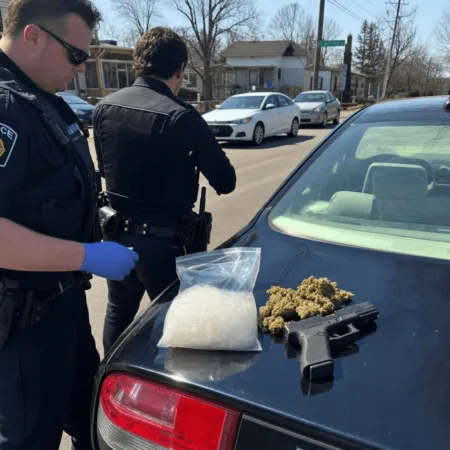
While the headline of the psilocybin vs antidepressants meta-analysis may spook some investors or eager psychonauts, there’s a deeper story here, and cannabis is smack in the middle of it. First, treatment response is anything but one-size-fits-all. As Dr. Julie Holland, a leading psychiatrist and cannabis advocate, writes in her Psychology Today columns: “It’s about personalizing care—some patients need plants, some need pills, some need both.” With major publications like NORML now reviewing clinical data showing cannabis can support mood regulation for treatment-resistant cases, the pressure is on to diversify treatment toolkits beyond just SSRIs or experimental psychedelics. What this meta-analysis really spotlights is the need for rigorous research, honest patient-provider dialogue, and deeper integration between emerging therapies and what’s already proven. In short: progress, not hype, is what will empower patients. These conversations about mental health resources and legal dynamics are becoming increasingly relevant as communities, for instance, experience renewed debates on cannabis reform following notable drug arrests with implications for local cannabis policies.
Looking Forward: Opportunity Grows from Honest Evidence
The psilocybin vs antidepressants meta-analysis isn’t a let-down—it’s a reality check, and that’s exactly what the psychedelic industry needs to mature. As cannabis legalization accelerates (see stats from Statista), and as psychedelic reform builds steam, the takeaway is clear: transparency, patient diversity, and science-driven progress will define the next decade. Regulatory bodies and lawmakers are watching closely as the evidence mounts and consumer demand grows. Expect to see more studies, more honest debate, and a gradual cultural shift towards plant-forward, patient-centered wellness. For anyone riding this green wave, the outlook is as bright as a cloudless summer picnic—high hopes, grounded in reality, ready for whatever comes next.
Originally reported by: psychedelicalpha.com