Psilocybin Use After Decriminalization: Surprising Trends
Right now, the wave of decriminalization is changing the conversation around psychedelics and cannabis. The question on everyone’s lips is: what happens to psilocybin use after decriminalization? As new city and state policies loosen up, people are curious about shifting patterns in both recreational use and public perception. In this article, we’ll break down what’s actually happening on the ground, clear up some myths, and dive into the real impact of freshly relaxed laws. Don’t worry, we’ll keep it chill—but with expert insight you won’t want to miss.
The Background: Decriminalization, Regulation, and the Changing Psychedelic Scene
Decriminalization of psilocybin is suddenly not just a pipe dream for advocates, it’s a reality in several regions across the U.S. Since Denver’s 2019 vote to make adult psilocybin possession the city’s lowest law enforcement priority, cities like Oakland, Santa Cruz, and the entire state of Oregon have followed suit (NBC News). These shifts mirror the wave of cannabis reform that grew rapidly last decade, aligning with nationwide expansion in cannabis products seen across the United States. Decriminalization typically means that simple possession and personal use of psilocybin mushrooms are not prosecuted criminally, though commercial sales almost always remain off-limits until state-level frameworks are developed. With research from institutions like Johns Hopkins and Imperial College London exploring psilocybin’s therapeutic potential, regulatory change is increasingly driven by both clinical promise and growing consumer demand (Johns Hopkins Medicine). All this creates a landscape where psilocybin use after decriminalization is finally being studied, measured, and debated, providing the data-driven reality check this cultural shift deserves.
Key Developments: Surprising Patterns in Psilocybin Use After Decriminalization
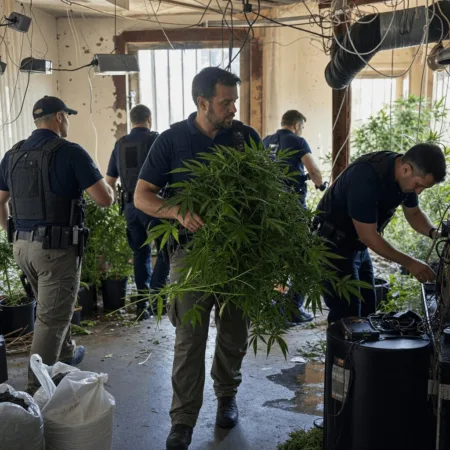
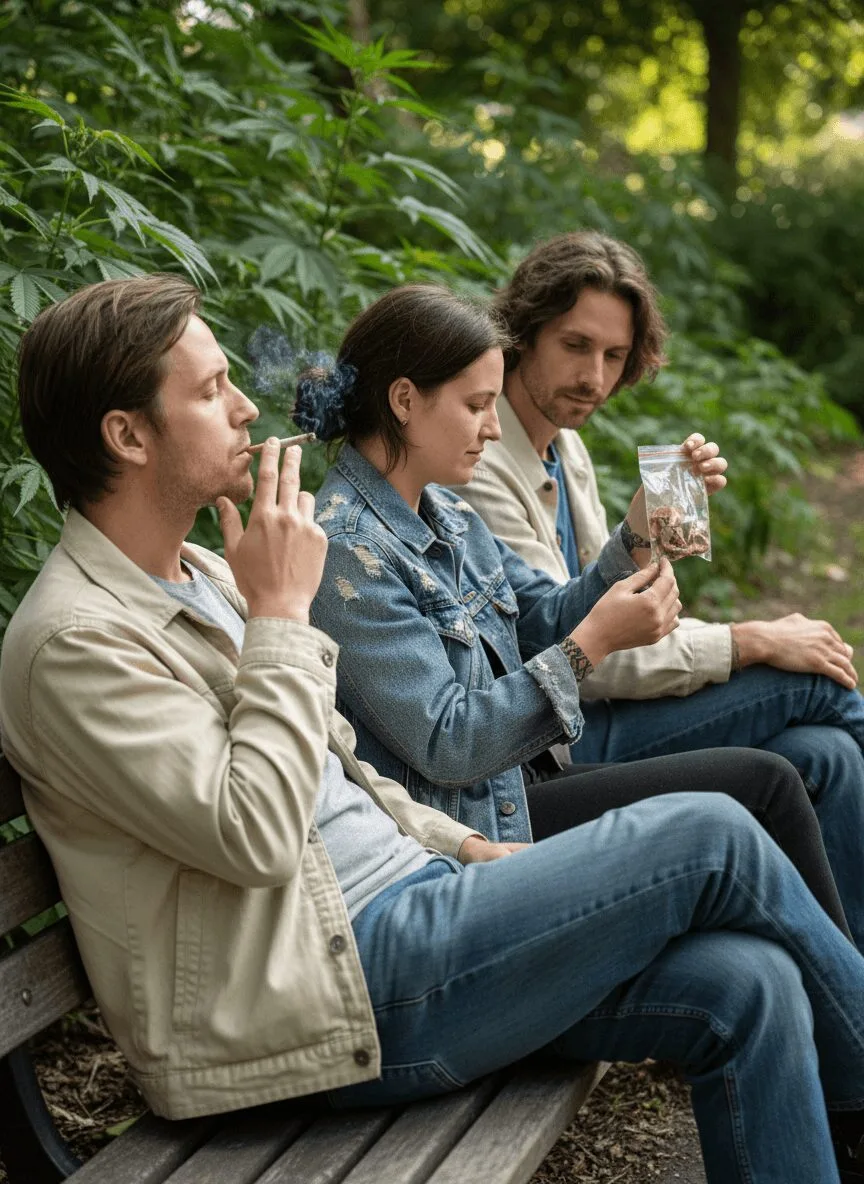
According to a recent analysis reported by Medical Xpress, psilocybin use after decriminalization didn’t increase dramatically, contrary to some lawmakers’ concerns. Instead, regulatory researchers observed only a moderate rise in reported use, with no corresponding spike in substance abuse emergencies or public safety cases. The article discusses trends in Oregon, the leader in regulated psilocybin therapy, where as of 2025, licensed facilities are offering supervised psilocybin sessions while non-commercial personal use grows steadily. These developments highlight how ongoing clinical trials are unraveling important truths about psilocybin’s public health profile. Meanwhile, local law enforcement agencies such as the Portland Police Bureau report that psilocybin possession cases have nearly vanished from daily reports. Industry observers point out that users remain “cautiously optimistic,” with stigma fading thanks to mainstream research and growing firsthand accounts.
Expert Analysis: Interpreting the Real Impact, and Lessons from the Cannabis Playbook
Industry experts point out strong parallels between psilocybin use after decriminalization and patterns following cannabis reform. Dr. Amanda Reiman, policy lead at New Frontier Data, stated in a recent Forbes article, “When you remove criminal penalties, people might get curious, but the vast majority continue their usual habits.” The path to social normalization happens gradually, not overnight. Drawing from advancements in psychedelic medicine research, the sector is leveraging lessons from cannabis legalization: while access increases, data reveals most use is by responsible adults and has minimal effect on youth. Data provided by the Drug Policy Alliance and the Oregon Health Authority reinforce that outcomes continue to improve as public education and harm reduction programs expand. Ultimately, the process is more about thoughtful, community-focused adaptation than a sudden surge—and signals a deeper, ongoing cultural evolution.
Outlook: The Next Chapter for Psilocybin, Cannabis, and Beyond
If the cannabis roadmap has taught us anything, it’s that decriminalization rarely equals chaos. In fact, the early data showing stable patterns of psilocybin use after decriminalization should boost optimism for advocates of plant medicine and reform. As more cities and states reassess outdated drug laws, expanding sensible rules for psilocybin and cannabis could mean a healthier partnership between communities, clinicians, and regulators. According to Pew Research Center, public support is rising, especially as mental health moves to the forefront. We’re entering an era where personal freedom and harm reduction can finally co-exist with honest science and community safety. The next wave? A smarter, safer, and more open-minded approach to psilocybin, cannabis, and the entire landscape of plant-based wellness. Stay tuned—the good vibes are just getting started.
Originally reported by: medicalxpress.com