Psilocybin Treatment Accessibility: Equity Fund Expands Access
Psilocybin treatment accessibility is finally taking a front seat in conversations about mental health, equity, and rural healthcare. With recent moves to widen access for low-income and rural folks, the conversation is loud and overdue. The new Equity Fund aims to knock down the financial and logistical barriers that have kept many on the sidelines. As access shifts, cannabis lovers and policy watchers alike are asking: Does this signal a broader move toward inclusive, holistic care? Let’s dive into the swirl of new programs, regulations, and grassroots action that is transforming how, where, and who gets to experience the possible therapeutic benefits of psilocybin treatment accessibility.
Background: The Roadblocks and Shifting Landscape of Psilocybin Treatment Accessibility
For decades, psilocybin has been wrapped in stigma, strict legal bans, and misunderstanding. But with mental health needs surging and traditional treatments failing some, reforms are brewing. According to Forbes, Oregon led the U.S. with the first regulated adult-use psilocybin treatment program, opening the doors for other states to explore healing with plant-based therapies. Yet, regulatory hurdles and sky-high costs kept it pretty inaccessible unless you had deep pockets or lived near a city clinic, which, let’s be honest, leaves most rural and low-income families out in the cold.
Psilocybin treatment accessibility has mostly remained theoretical for people who can’t take time off for travel, or who can’t fork over hundreds for a single session. There’s also the legacy of the War on Drugs, which disproportionately blocked marginalized communities from any legal alternative mental health options. However, with more studies supporting psilocybin’s potential (just check out Johns Hopkins’ ongoing research cited on their website), states are nudging regulations forward, and social equity movements from cannabis are influencing psilocybin policy. Meanwhile, issues like marijuana contamination recalls continue to illustrate broader access and safety concerns across state lines as seen in recent Arizona marijuana recall news.
Key Developments: Equity Fund Steps Up for Psilocybin Treatment Accessibility
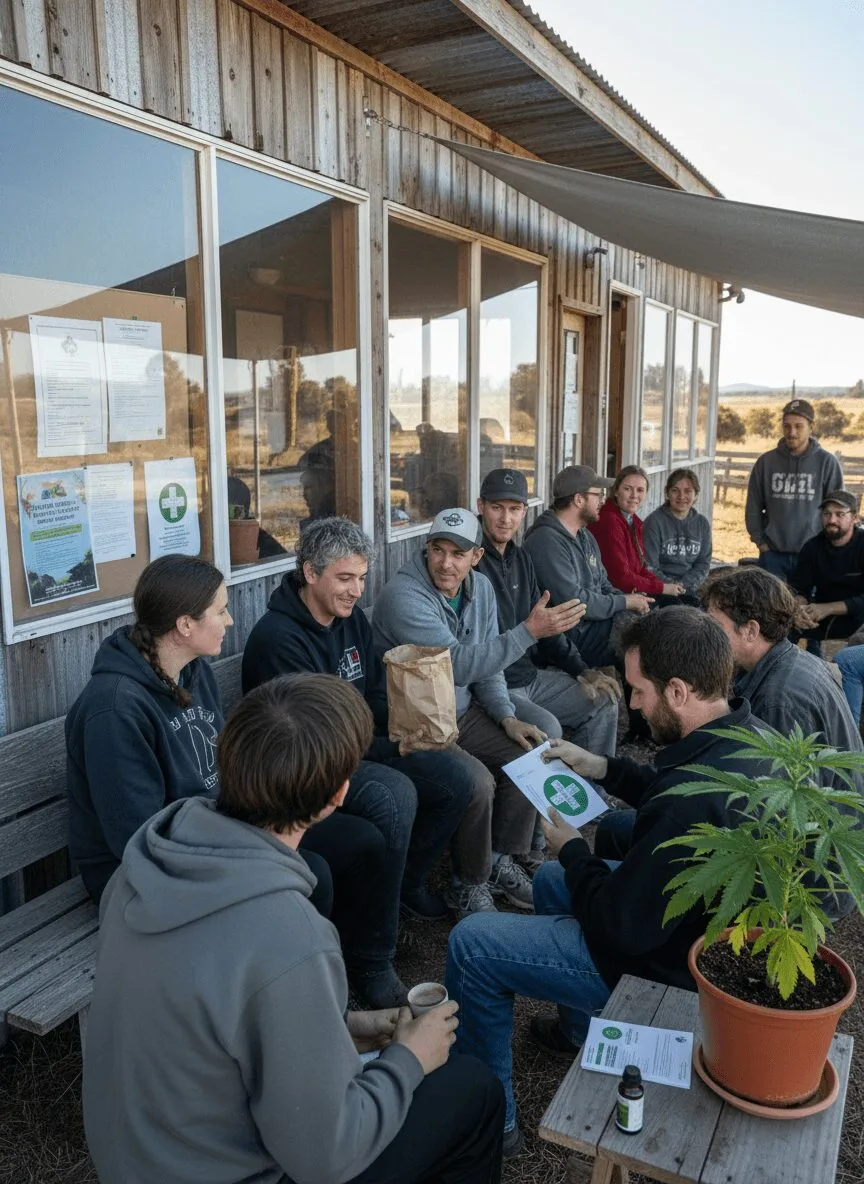
This year, the conversation around psilocybin treatment accessibility took a big leap thanks to an Equity Fund designed to subsidize treatment for those who can least afford it. According to News from the States, the fund specifically targets low-income and rural Oregonians who have been boxed out by price and location. The fund is fueled through a mix of state grants and private donations, showing both public and community investment in leveling the playing field.
The news landed alongside a sharp uptick in program registrations from rural counties, with many newly established service centers making outreach a top priority. Legal specifics are also key here, as only licensed facilitators and approved centers can offer these services, keeping things above board while aiming for safer experiences. This reflects a trend tracked by MJBizDaily, which indicates that recent rule tweaks have lowered certain barriers for both providers and participants. In parallel, similar shifts have impacted other regulated markets, with Colorado recently proposing new tax structures that could affect both cannabis and alcohol prices—illustrating how policy shapes accessibility for all as observed in Colorado’s cannabis landscape.
- Launch of first state-sponsored Equity Fund for psilocybin treatment accessibility
- New funding brings treatment costs to a fraction of the original price for eligible patients
- Program targets residents in rural areas and low-income brackets, widening the circle of support
- Legal obligations mean treatment must be facilitated by trained professionals in regulated locations, maintaining patient safety
Expert Analysis: How Equity Funds Fuel Advancements in Psilocybin Treatment Accessibility
Bringing psilocybin treatment accessibility to rural and underserved folks isn’t just a trend, it’s a sea change. Cannabis industry experts see strong parallels to cannabis equity initiatives. As Cannabis Business Times notes, ‘When you make wellness accessible, communities thrive. These initiatives lower harm, reduce stigma, and give people real choices.’ That isn’t just lip service; research continues to hammer home the need for financial support as a route to public health justice.
Dr. Rachel Knox, a seasoned cannabis and psychedelic medicine advocate, told DoubleBlind Magazine, “Social equity isn’t charity, it’s a structural reset. The mistake we must not repeat is creating boutique therapies only for the elite. A true wellness revolution means prevention and healing across every zip code.” Her words cut to the heart of psilocybin treatment accessibility: affordable access is not a privilege, it’s a public health right.
These developments in Oregon might be just the beginning. Other states are now watching closely, while organizations like MAPS continue to share data on the positive outcomes of decriminalized, regulated psychedelic care. The industry is also considering patient populations with severe needs, such as those struggling with treatment-resistant depression, with new hope emerging for improved mental health solutions as explored in recent breakthroughs for treatment-resistant depression. There’s more to come, especially as regulators refine zoning laws, licensing, and insurance coverage for plant-based therapies. Every policy tweak brings psilocybin treatment accessibility a little closer to everyday folks.
Looking Ahead: Psilocybin Treatment Accessibility and the Next Wave of Wellness Equity
The psilocybin wave isn’t washing away soon; it’s just getting started. Every step toward psilocybin treatment accessibility brings us closer to a genuinely inclusive model for mental healthcare. Ongoing reforms and new funding sources mean fewer people have to choose between rent and therapy. As reported by Leafly, community and patient advocacy remain the driving force behind these shifts. With cannabis and psychedelics now riding in the same lane, regulatory improvements and rising social acceptance are giving rural and low-income voices more power at the table.
As the landscape evolves, expect increased research, smarter regulation, and, importantly, more public education on the benefits and risks of psychedelic therapy. Psilocybin treatment accessibility isn’t a buzzword—it’s a movement, and one that could help rewrite the American mental health playbook for good.
Originally reported by: newsfromthestates.com