Psilocybin Therapy for Brain Injury: Hope for Recovery?
The discussion around psilocybin therapy for brain injury is heating up. Interest from former NFL athletes and growing coverage of psychedelic science make this a timely topic. As head injuries remain a pressing concern, psilocybin’s potential to support brain recovery hits a nerve in both sports and wellness circles. This article cuts through the smoke to examine key news, legal progress, and what the cannabis industry needs to know right now about the intersection of psilocybin therapy for brain injury and long-standing advocacy for plant-based solutions.
Changing Legal Landscape and Market Forces Behind Psychedelic & Cannabis Therapy
The rise of psilocybin therapy for brain injury comes at a moment when attitudes toward psychedelics are evolving rapidly. States like Oregon and Colorado have already taken bold steps to legalize psilocybin use in controlled therapeutic settings, according to STAT News. Across the country, public support for cannabis legalization has paved the way for broader conversations about plant medicine, as reflected in NORML’s ongoing policy updates. For athletes especially, persistent issues with traumatic brain injury have collided with frustration at the limitations of conventional medicine. In Pennsylvania, these tensions are echoed in ongoing debates and policy updates affecting patients, as seen in recent discussions about medical marijuana issues in the state. Legal ambiguity around psilocybin persists federally, but the domino effect from states rethinking prohibition is clear. Legalization advocates, brain health organizations, and research institutions are now converging to push the envelope of what’s possible for brain injury recovery. Socially, the stigma surrounding both cannabis and psychedelics is shrinking, thanks in part to testimonials from high-profile athletes and mounting evidence in publications like Frontiers in Psychiatry about neuroprotective effects. The market is increasingly receptive, with interest mirrored in local communities adjusting to new norms, such as those reacting to recent enforcement actions impacting vape and cannabis stores, setting the scene for a new era of integrated therapies addressing brain trauma and mental health.
NFL Players, Psilocybin, and a National Spotlight on Brain Injury Recovery
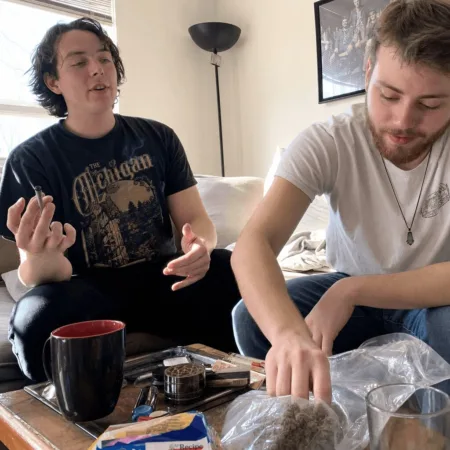
Recently, a high-profile piece in The New York Times (The New York Times, 2026) detailed how former NFL players are embracing psilocybin therapy for brain injury as a pragmatic option in their healthcare journey. The article centers on three notable ex-players gathering for an outdoor session, openly discussing struggles with concussion symptoms and traditional medicine’s shortcomings. These athletes were seen exchanging stories about microdosing psilocybin, tracking the shift from painkillers and anti-inflammatories to plant-based approaches. These kinds of high-visibility changes in sports policy are prompting national debates, similar to other discussions such as the creation of government-backed cannabis dispensaries in Minnesota. Key developments highlighted in the story include private clinical trials backed by organizations like the Heffter Research Institute, plus consulting by groups such as MAPS (Multidisciplinary Association for Psychedelic Studies) focusing specifically on traumatic brain injury cases. The NFL has not officially endorsed the treatments, but a number of past players have acknowledged personal participation in studies starting as early as 2024. Legal specifics remain complex, while federal law continues to restrict psilocybin, states overseeing medical trials are extending patient access. According to the Times, some clinics anticipate FDA-sanctioned protocols for psilocybin therapy for brain injury within the next two years, with a clear trend toward expanded research and limited decriminalization. Candid, personal accounts of symptom relief and improved quality of life dominate these early-stage narratives, offering hope for a population that’s long felt underserved.
Expert Analysis, Industry Implications, and Thoughtful Commentary on Psilocybin Therapy for Brain Injury
For those of us rooted in cannabis advocacy, the surge of interest in psilocybin therapy for brain injury feels like déjà vu, only trippier. Science and lived experience are finally converging, a win for both wellness and common sense. As Dr. Rachel Knox, a respected endocannabinologist and plant medicine expert, told DoubleBlind Magazine: “We’re only scratching the surface of how these compounds interact with the brain’s healing pathways after trauma.” This shift is mirrored by educational trends as more students seek programs explaining cannabis’s expanded role, similar to the rising enrollment in Stockton University’s cannabis education offerings. This movement isn’t just about novel research, it’s about real humans—many of whom were left hanging by the pharmaceutical status quo. When ex-NFL players put their bodies, and now their minds, on the line for evidence-based, plant-powered recovery, the whole world watches. The integration of psilocybin therapy for brain injury into mainstream conversation mirrors cannabis’s path from taboo to legitimate therapy. According to Forbes, the psychedelic therapy market could be worth over $38 billion within a decade. This potential isn’t lost on legacy cannabis operators or new psychedelic startups. Many see crossover opportunities—synergizing approaches, blending education, and normalizing patient-centered treatment. Advocates, particularly in evolving states like Virginia where legislation is rapidly changing, remind us this movement must balance progress and patient safety, as seen in recent policy debates over the marijuana marketplace. The underlying message: plant-based medicines are here to complement, not compete.
Where Do We Go From Here? Recovery, Acceptance, and the Future of Plant Medicine
Psilocybin therapy for brain injury stands at the crossroads of cultural momentum and scientific discovery. As state laws loosen and new clinical results surface, the cannabis and psychedelic communities have a real shot at transforming care for those affected by traumatic brain injuries. We’re looking at the beginnings of a new standard for holistic, effective recovery—one that acknowledges the complexity of the human brain and the power of Mother Nature’s medicine cabinet.
Optimism prevails. As detailed in reporting from Marijuana Moment, regulatory agencies are engaging in public dialogues that signal deeper acceptance. Supported by athletes’ testimonies and advocacy groups’ relentless work, this movement is positioned to improve lives—not just for elite players, but everyday survivors of brain trauma. The next few years should see meaningful progress as cannabis and psychedelics continue their onward march from the sidelines to center stage in modern medicine.
Originally reported by: nytimes.com