Psilocybin Therapy Documentary: Journeys | Film Threat
Right now, the conversation around psychedelic healing is breaking through mainstream barriers like never before. The psilocybin therapy documentary movement is a prime example, spotlighting how natural therapies are reshaping wellness conversations across the country. Driven by new studies, legal reforms, and authentic personal journeys, this is a moment cannabis advocates and curiosity seekers can’t ignore. In this deep dive, we walk through the vital context, key events, expert takes, and future outcomes swirling around this eye-opening psilocybin therapy documentary.
Understanding the Regulatory & Social Context
The legal landscape shaping the rise of the psilocybin therapy documentary is one wild patchwork. State policies are shifting quickly, for example, Oregon and Colorado have enacted groundbreaking regulated psilocybin therapy models, while other states watch closely, gathering data on public safety and medical impact (National Institutes of Health). Social stigma still lingers, but massive cultural changes are underway as scientific journals, like JAMA, report on studies showing promise in mental health care. An example of such confusion, as states shift cannabis and psychedelic policies, can be seen in the way Rhode Island’s cannabis residency rule has shaken up its licensing system (RI Cannabis Residency Rule Shakes Up Licensing: What’s Next for Rhode Island?). Meanwhile, longstanding federal restrictions clash with new decriminalization wins, creating both hope and confusion for therapists, patients, and advocates. The cannabis industry, having paved the way for plant medicine acceptance, now finds its advocacy intertwined with psychedelics, as groups like MAPS champion responsible use, public education, and regulatory progress.
Key Developments: Highlights from the Psilocybin Therapy Documentary
The documentary “Journeys,” as recently reviewed by Film Threat, breaks new ground in showing the lived experiences of those undergoing psilocybin therapy. If you want to understand how the mechanisms of psilocybin are intersecting with mind science and policy, you can look to new research that explores these neural and legislative shifts (How Psilocybin Neural Mechanisms Are Shaping Mind Science & Cannabis Policy). The film follows several individuals, each with their own struggles and hopes, as they embark on guided sessions using psilocybin in a safe, supported setting. Legal frameworks now allow this in Oregon under state regulation. According to multiple sources, therapists undergo intense training to comply with the state’s medical and ethical protocols, ensuring client safety and therapeutic alignment (Oregon Health Authority). Journeys documents the process: preparation interviews, integration circles, and real-time sessions where participants aim to address anxiety, depression, and PTSD. Core developments include increased demand for licensed therapy facilitators, tightening compliance standards, and patients reporting significant improvements in mental and emotional health according to surveys and expert interviews cited in the documentary. Also, the film tackles social concerns, from legal fears to the importance of destigmatization, painting an authentic, sometimes raw, picture of the movement’s challenges and triumphs.
Expert Cannabis Community Insights & Analysis
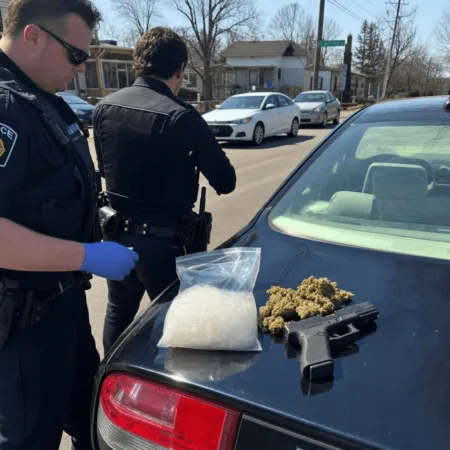
The intersection between cannabis and psilocybin advocacy is no accident. Both communities know the daily grind of fighting stigma while working toward wider acceptance of plant-based therapies. In some ways, developments like marijuana grow operation arrests near schools (Neighborhood Shaken by Marijuana Grow Operation Arrest Near School) highlight the ongoing societal hurdles faced by advocates. According to cannabis education nonprofit NORML, “Education and transparency are key to changing hearts and minds, just as they were for cannabis.” The same story is playing out in the psilocybin therapy documentary scene, where every open discussion helps break down misconceptions and opens doors to better mental health care. Top researchers agree: studies cited by Health Europa report lasting benefits, with participants describing vivid breakthroughs in self-understanding and emotional balance. Yet, experts also warn that high standards for training, sourcing, and client care must be maintained to avoid pitfalls seen in early cannabis markets. “We’re witnessing a renaissance of natural medicine, but it has to be done with precision and respect,” notes Dr. Rachel Knox, an authority on integrative therapeutics (Knox Docs). Go too fast, and the risks in regulation and public trust could snowball. Move thoughtfully, and the whole ecosystem, from legal clinics to legacy caregivers, benefits.
Looking Ahead: Growth in Natural Therapies & the Cannabis Connection
The future of natural therapies shines bright, thanks in no small part to the momentum behind projects like the psilocybin therapy documentary. Social acceptance has never been higher — and with each new regulatory breakthrough, we get closer to a world where plant medicines are embraced for true healing, not just recreation. Industry trend reports found at New Frontier Data reveal that public support and investment in both cannabis and psilocybin therapies are at all-time highs. For cannabis advocates, this is a familiar arc: hard-fought wins, regulatory tweaks, and a growing recognition of natural medicine’s role in wellness. Challenges remain, especially in harmonizing state and federal laws, but the door is open. As the psilocybin therapy documentary movement grows, it will only accelerate the broader push for evidence-based, stigma-free approaches to holistic mental health. Here’s to a future where healing journeys are mainstream, safe, and celebrated — in cannabis and psychedelics alike.
Originally reported by: filmthreat.com