

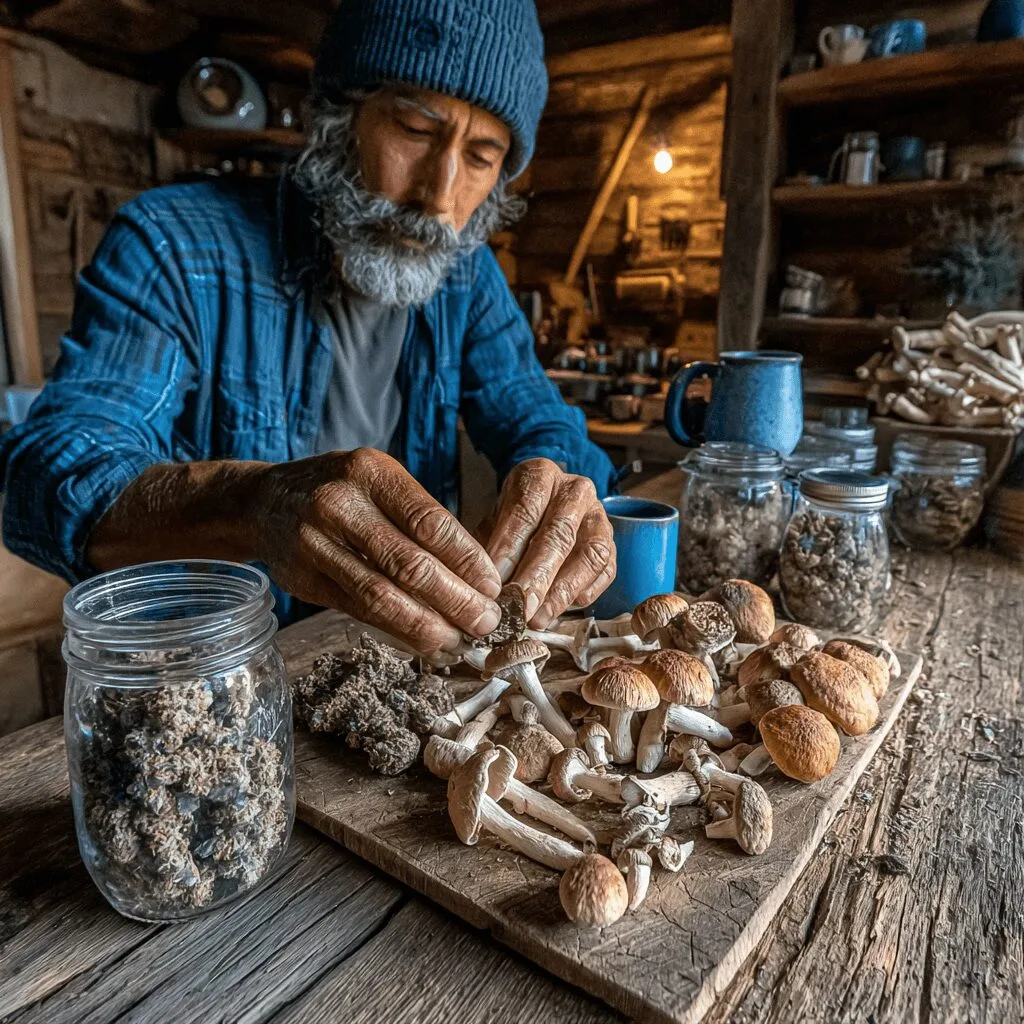
Psilocybin Mushroom Compounds: The Hidden Magic Unveiled
Let’s get real—psilocybin mushroom compounds aren’t just a trippy talking point at dinner parties anymore. They’re standing at the crossroads of cultural curiosity, medical fascination, and legal transformation. Right now, conversations around these compounds are exploding thanks to shifting research, a changing social vibe, and some headline-grabbing regulatory shakeups. In today’s world, understanding psilocybin mushroom compounds isn’t just for old-school psychonauts—everyone from policy makers to medical pros, and yes, we chill cannabis folk, are eyeing what’s next. Stick with me as we break down why these magical molecules matter, who’s making waves, and how cannabis and psilocybin scenes are way more linked than you’d think.
From Underground Reverence to Center Stage: Legal, Social, and Market Currents
Psilocybin mushroom compounds weren’t always the darlings of mainstream science. Until recently, they were locked behind a wall of prohibition, lumped in with the War on Drugs. But, times change. According to U.S. Drug Enforcement Administration (DEA) scheduling, psilocybin is still viewed as a Schedule I substance federally. However, local winds are blowing in a new direction. Places like Oregon and Colorado have decriminalized or even legalized controlled therapeutic use, and there’s chatter in city halls from Seattle to Ann Arbor considering reforms. Why? Because scientific evidence on mental health benefits keeps piling up. Reports from Nature and NIH show growing interest in potential treatments for depression and PTSD. This shifting landscape isn’t just about good vibes, it’s about new opportunity—for researchers, patients, advocates, and, yes, everyone living that elevated lifestyle. Changes in policy at the local level often resemble grassroots movements in other states; for example, efforts toward reduced marijuana penalties in places like Wisconsin signal a broader move toward reform-minded approaches across substance regulations.
Key Developments: New Science, Policy Daylight, and Business Moves
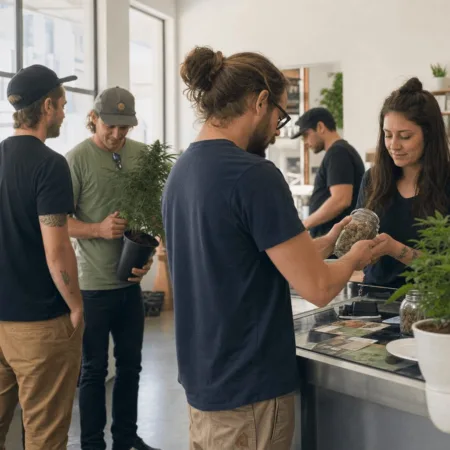
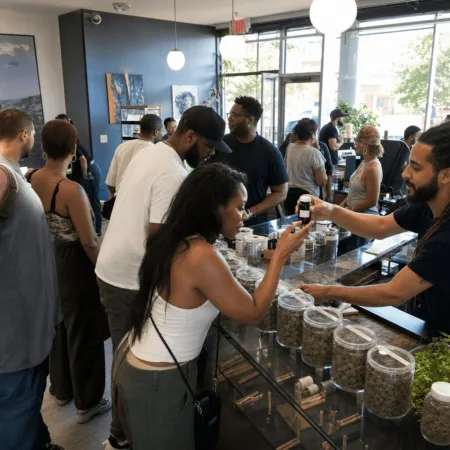
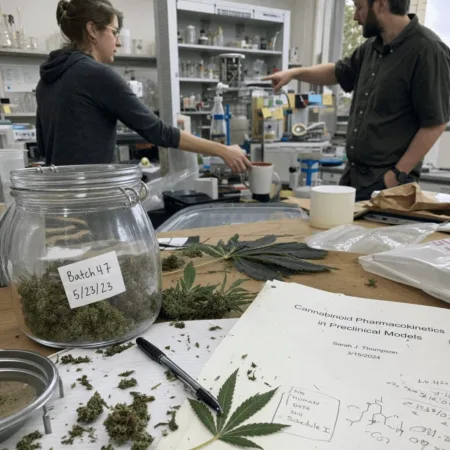
So, what’s lighting up news feeds about psilocybin mushroom compounds right now? According to a detailed piece from Chemical & Engineering News (C&EN), researchers are unraveling the mysteries of how psilocybin mushroom compounds interact with neural receptors. Since 2025, biotech startups and academic labs have collaborated on clinical trials advancing psilocybin-assisted therapy. Academic powerhouses like Johns Hopkins University and Imperial College London are publishing groundbreaking results in major journals. And business? Heavy hitters like COMPASS Pathways, a UK-based company, are investing millions in synthetic production for standardized dosing and safety. On the legal front, Oregon’s regulated market for therapeutic psilocybin has become a model, inspiring advocacy groups pushing similar measures nationwide. Social attitudes are also shifting—according to a recent Pew Research Center survey, a majority of Americans favor decriminalization for personal or medical use. Clearly, growing support for personal use aligns with broader consumer trends, as seen in communities celebrating new access options at local dispensaries, much like the Kewanee dispensary opening that strengthened a sense of community and opportunity.
Expert Analysis & Deep Dives: Where Cannabis and Psilocybin Mushroom Compounds Cross Paths
So, what does all this mean through the lens of someone steeped in cannabis culture? For starters, the parallels are obvious, decades of stigma are being unraveled by research, activism, and a cultural shift toward personal health freedom. There’s a shared narrative of plant-based healing finally breaking through old government taboos. As Leafly’s Health Editor Janessa Bailey says, “Cannabis opened the door, but psilocybin mushroom compounds are showing us how wide that doorway can be.” Let’s not overlook the ripple effect: increased access, nuanced regulation, and normalization benefitting both fields. In the cannabis industry, many market analysts report upticks in cross-sector startups, dual-licensing interest, and even consumer overlap. There are places where access to alternative therapies is changing attitudes for medical patients, creating hopeful shifts—especially where cannabis use is helping reduce opioid reliance in cancer care. It all adds up to an ecosystem where innovation and well-being are taking center stage, and archaic attitudes are getting smoked out.
Outlook: A Chill Future with Plenty of Room to Grow
The roads for cannabis and psilocybin mushroom compounds are converging, and the vibes are good. As regulations loosen, informed public dialogue and credible research will keep driving progress. Many foresee increased integration of these botanicals in wellness, health, and scientific sectors. According to New Frontier Data, the U.S. legal cannabis sector is set to top $40 billion by 2025—with psychedelic therapeutics poised to follow suit. If we keep championing science, advocacy, and responsible use, the future’s looking as bright as a fresh cap of Golden Teacher glittering in the daylight. The age of stigma is fading, and an inclusive future beckons.
Originally reported by: cen.acs.org