





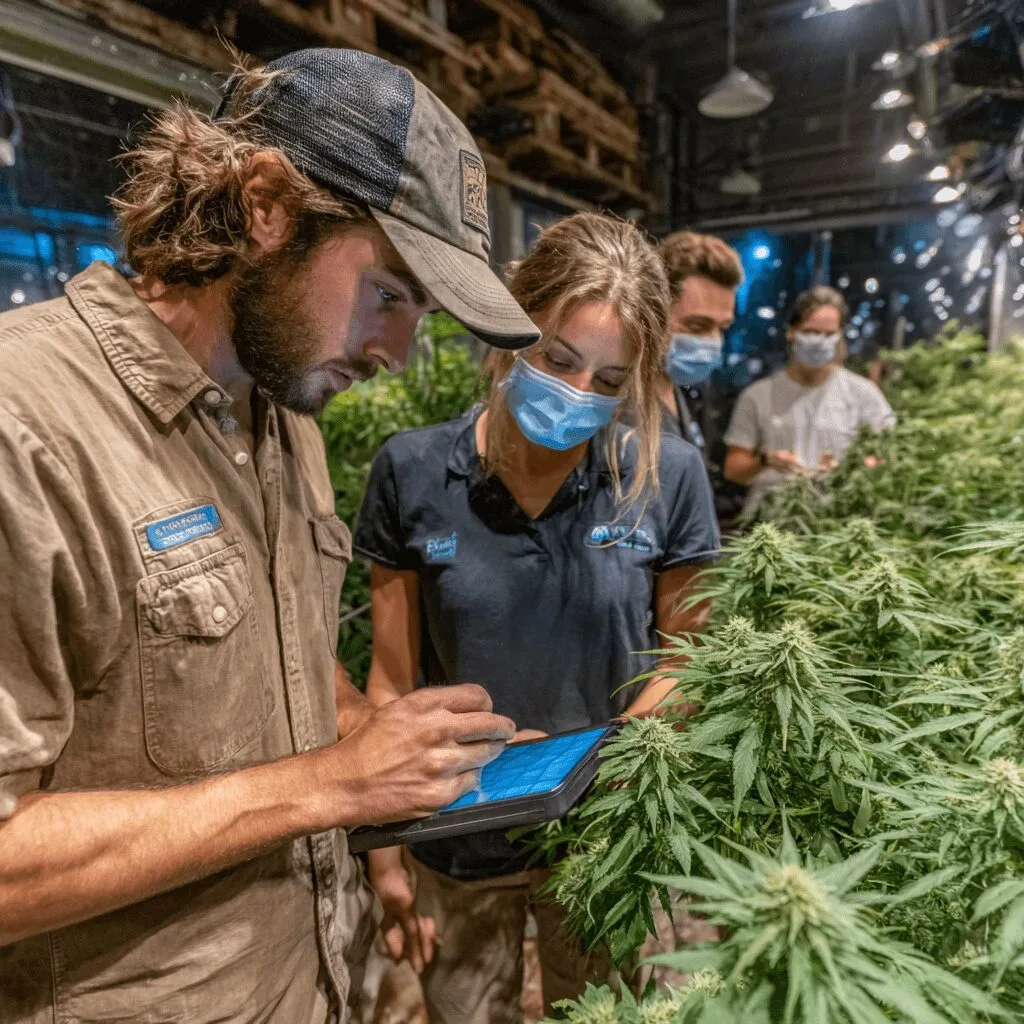
New Science for Predicting THC Content—See Results Early
Predicting THC content has always given growers, researchers, and even recreational users some sleepless nights (and, let’s be honest, a lot of excited debates). As regulation tightens and consumer demand for transparency grows, accurate THC predictions are at the heart of the cannabis industry’s push for credibility. With new scientific developments promising faster, earlier, and more reliable results, this topic isn’t just trending—it’s reshaping how we understand, regulate, and enjoy our favorite plant. In this article, we’ll break down what’s behind this scientific leap, the key findings from the latest breakthrough study, and what it means for growers, consumers, and the regulatory future of the cannabis world.
The Regulatory, Market, and Social Demand for Accurate THC Predictions
The cannabis industry’s regulatory landscape has been evolving at lightning speed, especially in regions like Canada and several U.S. states. As demand for transparency skyrockets, both consumers and law enforcement want reliable numbers for THC on every product label. Leafly reports that officials from states like California and Colorado have implemented rigorous lab-testing requirements to stamp out false labeling and dosing confusion. This wave of regulations ties directly into how legal frameworks are shaped and enforced, as seen with the oversight and scrutiny exemplified by the Massachusetts Cannabis Commission’s approach to enforcing legal weed standards. This push for precision is about more than consumer protection, it reflects a social shift: cannabis users are demanding to know what’s in their flower, right down to the decimal. Accurate ways of predicting THC content underpin everything from clinical research to investment. That urgency also frames the economic stakes, as industry analysts have projected the U.S. cannabis market could exceed $41 billion by 2025, making reliable data crucial for everyone from boutique growers to multistate operators. When slight differences in THC content can sway the price or legality, everyone’s got skin in the game.
Game-Changing Discoveries: Fast, Accurate Tools for Predicting THC Content
Here’s the scoop, Researchers, as reported by Forbes, have unveiled a novel scientific technique that promises to predict THC content weeks before harvest—a true game changer. The breakthrough, out of a leading U.S. university, leverages a new approach combining non-destructive plant tissue sampling with advanced lab analysis for a near real-time THC forecast. The research team, headed by Dr. Susan Franklin, shared results showing the new method could predict THC potency with over 95% accuracy as early as three weeks before harvest. Labs partnering with the study included several respected cannabis science brands and testing facilities. The technology was validated on multiple strains grown under different light and nutrient regimes, making it robust across industry conditions. Notably, the findings were published just days before state regulatory panels were due to debate tighter THC content standards for legalized products, highlighting the urgent need for reliable methods. This fiery overlap of timing means growers can save time, money, and even avoid costly compliance errors before bud ever hits the shelves—a process that now integrates insights from modern cannabis post-harvest processing, where quality and safety standards are redefined.
Expert Insights: What This Means for Growers, Regulators, and Consumers
This leap in predicting THC content has ripple effects far beyond the lab bench. Growers can finally make key adjustments during flowering, targeting the precise potency that consumers crave while staying inside legal bounds. Sarah Kliman, Head of Cultivation at a top Colorado operation, told Marijuana Moment, “With early, accurate THC predictions, we not only optimize crop value, we also build trust with our customers and regulators. It’s the holy grail for modern cultivation.” Regulators, whose jobs often get bogged down by post-harvest testing disputes, are already in talks to standardize adoption of these methods. Cannabis Business Times reports that consumer advocates are thrilled, predicting fewer mislabeling scandals and smoother product launches. These advancements may help address real-world challenges such as legal interpretation and law enforcement scrutiny, which recently made headlines in cases like the recent response to Myrtle Beach marijuana arrests and their impact on legalization talks. Meanwhile, medical researchers see a future where clinical trials can more tightly control cannabinoid exposure, solidifying cannabis’ credibility as legitimate medicine. This innovation could lead to fairer pricing, less waste, and, ultimately, better bud on every shelf.
The Future of Predicting THC Content: Promise for All
The horizon for predicting THC content looks brighter than ever. As more states and countries legalize and regulate cannabis, tools that tie potency back to real science promise smoother rollouts, smarter investments, and more empowered consumers. According to hemp industry news, there’s growing optimism that reliable THC prediction tech can boost social acceptance and pave the way for national reforms. With breakthroughs like these, the cannabis community is one step closer to a future where quality, safety, and personal choice go hand in hand—and nobody needs to play guessing games when it comes to their favorite flower.
Originally reported by: forbes.com



1 Comment
Pingback: Marijuana Smoke Public Health: What You Need to Know Now