





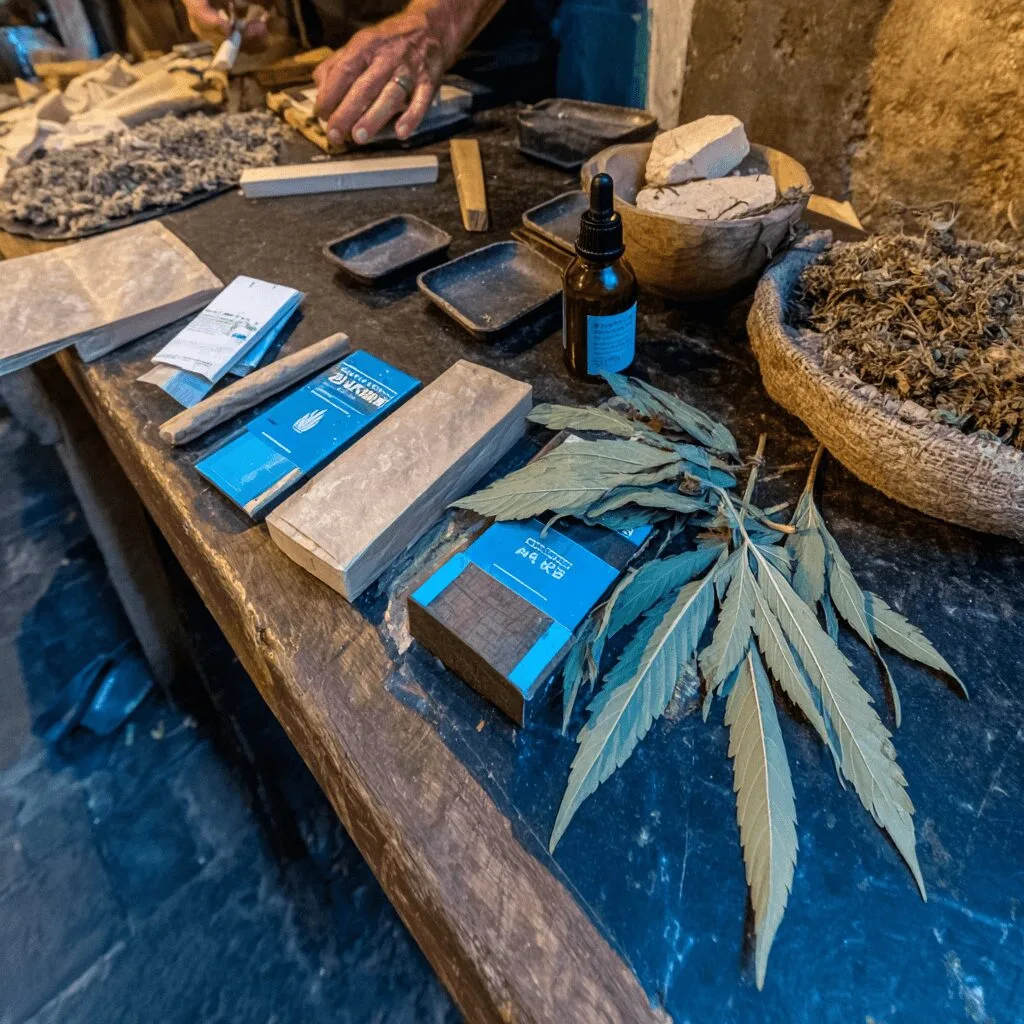
Portugal cannabis zero tolerance: What the new law means
If you’re tapped into Europe’s cannabis scene or just curious about global weed policy, Portugal’s big switch to a “zero tolerance” stance is making waves. This move comes just as the continent debates the line between wellness, medical rights, and old-school prohibition. The Portugal cannabis zero tolerance shift isn’t just another small regulatory tweak—it’s reshaping local markets, consumer habits, and public conversations. From farmers to patients to the casual joint roller, everyone’s asking: What now? Let’s break it all down, get real context, and look ahead with the experience only true industry fans can bring.
Background: Portugal’s Changing Relationship with Cannabis
Portugal made international headlines in 2001 by decriminalizing small amounts of all drugs. This progressive policy, the first of its kind in Europe, aimed to treat drug use as a health issue. For two decades, Portugal was lauded for a balanced approach: people caught with small cannabis amounts faced warnings, not prisons. Fast forward, consumer CBD and low-THC cannabis were tolerated, filling Lisbon’s newsstands and tobacco shops. The green rush was on, despite gray areas in legal text. In some ways, the industry in Portugal mirrored regulatory changes in other regions, as alterations to hemp consumable law limits globally pointed to similar gray zones participants had to navigate. Yet, rising international scrutiny, EU directives for product controls, and concerns over youth access brought new political pressure. As industry insiders know, every move toward acceptance is scrutinized. This set the stage for today’s tight turn toward Portugal cannabis zero tolerance, a reaction to both local quirks and global trends.
Strict Enforcement: What the Zero Tolerance Law Actually Does
The latest twist in Portugal’s cannabis journey is spelled out by the 2024 update, with no more tolerance for trace amounts of THC or CBD in tobacco products and “smokables.” According to HempToday, authorities now ban even CBD flower and pre-rolled products, putting a hard stop to a thriving market serving wellness seekers, ex-smokers, and medical users. The Institute for Drugs and Drug Addiction confirmed any amount of THC/CBD in tobacco-related goods on public sale is now illegal. This kind of strict regulatory action has surfaced elsewhere as well; changes in federal hemp law have been pivotal for regional cannabis industries. Shops have already pulled popular brands, while importers, like CannaHouse, report panic calls from clients. As of June 2024, enforcement teams started visiting vendors, warning of fines and product seizures. In practice, the Portugal cannabis zero tolerance approach has instantly shut down much of the open retail CBD market. Critics warn this zero-tolerance snapback disrupts patients, consumers, and business owners with little warning, a big deal in a country famous for progressive policy. Official documents cite “public health risks” and “lack of EU regulatory clarity” as top reasons for the clampdown.
Expert Analysis, Industry Insight, and Pro-Cannabis Counterpoints
To really get what’s at stake, you have to hear from the insiders. Industry veterans point out that Portugal’s cannabis controls, while strict, also highlight the need for clear, consistent regulation Europe-wide. For those following similar policy ripples, interstate cannabis travel laws often reflect overlapping enforcement issues. As the CEO of the European Industrial Hemp Association told BusinessCann, “Zero tolerance sounds tough, but uncertainty hurts innovation most. Businesses and consumers need clear, risk-based rules, not just blanket bans.” Across influential cannabis media, the domino effect of Portugal’s decision is tracked closely, as it may influence policies from Spain to Germany.
Here’s the real-world rub: Patients who saw relief from CBD-rich flower suddenly face supply gaps, often without affordable alternatives. Small businesses, many licensed and tax-paying, now scramble for plan B. As Project CBD notes, abrupt legal shifts can often do more harm than carefully managed reform. Still, many see Portugal’s move as a wake-up call: regulators everywhere must balance public health aims with the undeniable demand for accessible, safe, non-intoxicating cannabis products. The conversation has only started, and it’s clear the fight for rational, pro-cannabis policy is far from over.
“Portugal’s pivot proves the risk in piecemeal policy—coherent European standards are overdue.” — European Industrial Hemp Association CEO (EIHA.org)
What’s Next? Future of Portugal Cannabis Zero Tolerance & The Industry
Does zero tolerance mean the end of progress? Not at all—history shows the pendulum always swings back. The Portugal cannabis zero tolerance policy is, ironically, a sign of cannabis culture’s mainstream momentum. When mainstream markets stir, regulators notice—sometimes too sharply. Experts predict public pushback, legal challenges, and perhaps new efforts at compromise, as seen in [recent industry analyses](https://mjbizdaily.com/european-cbd-market-legal-landscape/). If Portugal wants to keep its reputation for smart, health-first drug reform, lawmakers must listen to patients, experts, and the rapidly growing cannabis business lobby.
For now, Portuguese cannabis supporters should stay vocal, informed, and united. This isn’t the end of the road—just a new chapter, sure to make headlines across Europe. The global cannabis industry will watch, learn, and build better policy from Portugal’s example. As old-school smokers say: where there’s smoke, there’s hope. Updates and fresh perspectives are sure to come as both the market and attitudes keep evolving. The green revolution is patient if nothing else.
Originally reported by: hemptoday.net



1 Comment
Pingback: California cannabis excise tax: Revenue Surges Past $177M