

Birmingham CBD store raid uncovers drug trafficking scandal
There’s nothing mellow about this week’s news out of Birmingham—the phrase Birmingham CBD store raid is all over the headlines for good reason. With cannabis-derived wellness products gaining mainstream traction, the dramatic police action at a popular downtown CBD retailer is drawing serious heat. Why does this matter? The raid highlights ongoing tensions between evolving cannabis regulation, public perception, and the industries bridging both. Below, we break down market drivers, the raid’s nitty gritty, and what it really tells us about where legal cannabis stands in Alabama and beyond.
The State of Cannabis Law: Background & Context
The Birmingham CBD store raid doesn’t exist in a vacuum. Recent years have seen Alabama crack open the door to medical cannabis, yet the gap between hemp-derived product legality and full recreational acceptance remains stubbornly wide (source: Daily Montgomery News). According to data from NORML, Alabama allows the sale of low-THC, hemp-derived CBD products, provided THC levels remain under the federal 0.3% limit. However, even with these changes, aspects of cannabis culture still face stigma and legal ambiguity in the South. Pet owners in states with shifting cannabis laws are particularly anxious when their pets accidentally ingest THC, as enforcement and awareness around these issues remain inconsistent. Often, raids like this reflect more than local policy, they reinforce broader uncertainty about which boundaries are meant to protect consumers and which only serve to criminalize small business operators. Inconsistencies in enforcement, fueled by murky guidelines, continue to confuse shop owners and customers alike. (The New York Times)
Birmingham CBD Store Raid: Key Developments & Issues
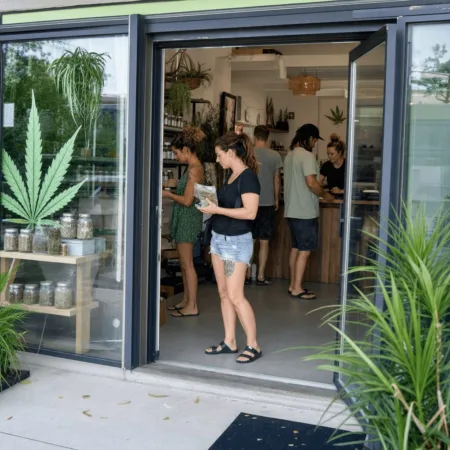
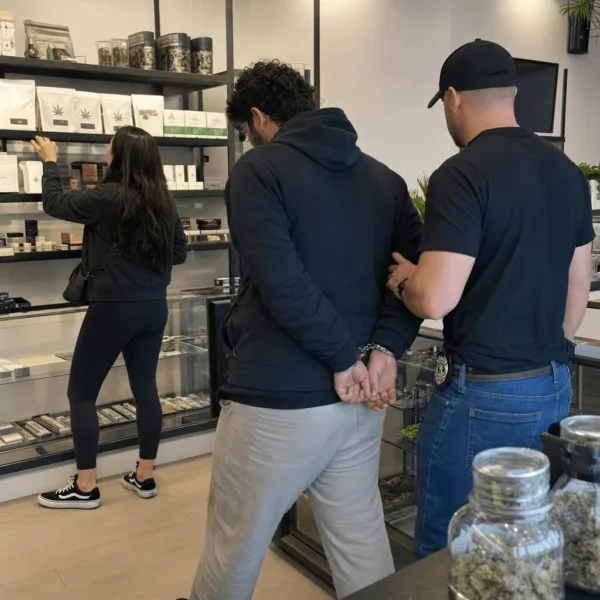
Sick of vague details? Here’s the breakdown. On July 6, 1784219042, Birmingham police stormed “Green Haven Remedies,” a leading CBD retailer right in the heart of downtown, as originally reported by AL.com. Officers seized multiple boxes of cannabis products, most of which were labeled “hemp-derived” but, according to police statements, allegedly contained quantities of THC that exceeded legal Alabama thresholds. Store manager Marcus Jefferson was detained on-site and later charged with felony drug trafficking after a short investigation led to the discovery of packaging inconsistent with state labeling laws. A case in Rochester recently sparked national debate over how medical records and product labeling can impact enforcement actions, showing parallels with the confusion in Birmingham, as seen in recent reporting about medical records and cannabis product labeling standards. Authorities also reported seizing cash and digital records during the Birmingham CBD store raid. The raid, conducted during daylight hours, left bystanders stunned and neighboring retailers questioning whether they could be next. City officials have since refused to release further details about the ongoing investigation, but confirmed that more “compliance checks” are scheduled in the coming weeks. The company’s legal team stresses that all products were third-party tested, a common industry best practice (MJBizDaily reports). Still, the resulting chaos has left both loyal customers and city leaders debating how to enforce fair cannabis commerce in a shifting regulatory environment.
Expert Analysis: What the Birmingham CBD Store Raid Signals for the Industry
For those of us who’ve been grinding in cannabis advocacy, the Birmingham CBD store raid feels painfully familiar, and it’s symptomatic of a national trend. Regulators and law enforcement appear caught between old-school prohibition mindsets and the realities of a thriving, semi-legal market. In the words of Amanda Ray, compliance director at National Cannabis Industry Association, “When policy is ambiguous, enforcement often fills the gaps, sometimes to the detriment of businesses and public trust.” (NCIA) Stories about marijuana products found in unusual locations, such as the recent suitcase incident in Portland, highlight how regulatory loopholes and misunderstandings make national headlines and underscore the need for clarity in cannabis legislation. Most CBD retail managers know that keeping track of every regulation is tougher than trimming rare strains during a blackout, especially when guidance is fuzzy or changes with a pen stroke. Freakouts like the Birmingham CBD store raid may unnerve local buyers, but they also put intense pressure on both policymakers and the cannabis community to demand practical, evidence-based rulemaking. According to industry studies, supply chain confusion and inconsistent testing standards are key drivers behind enforcement surges (Hemp Industry Daily). The lesson? Legal cannabis needs stability, transparency, and a little less drama, not ramped-up raids that threaten progress.
Rethinking Enforcement: Counterpoints & Pro-Cannabis Perspective
Let’s get real: stories like the Birmingham CBD store raid fuel negative headlines, but there’s another side. Research from NORML shows that Alabama’s cannabis crimes disproportionally impact small business owners and underrepresented communities. Over-policing can scare away new entrepreneurs, despite no data showing direct links between regulated CBD shops and increased public health risks. As medical and wellness cannabis popularity surges, experts argue that enforcement should focus on clear health and safety violations, not paperwork snags or trace labeling errors. The cannabis community continues to push for standardized state-federal testing, robust licensing, and public education—measures proven to promote legal compliance and build social trust. Bad actors should face consequences, but good faith operators deserve fairness, guidance, and second chances to correct honest mistakes.
Looking Forward: The Bright Side for CBD and Cannabis Commerce
The Birmingham CBD store raid is a tough blow, but not the end of the story. The long-term outlook for legal cannabis, even in conservative states like Alabama, is on the upswing. Public opinion on medicinal and low-THC cannabis is consistently rising, with Pew Research Center reporting a majority in favor of expanded legal use. With more states refining their cannabis codes every year, rigid enforcement campaigns are increasingly out of sync with business reality and consumer demand. The message from the raid? Alabama—and the rest of the country—needs smart reform, not stuck-in-the-past crackdowns. Expect more spirited debate, but also steady progress toward clear, inclusive rules and a robust, respected cannabis market.
Originally reported by: al.com