





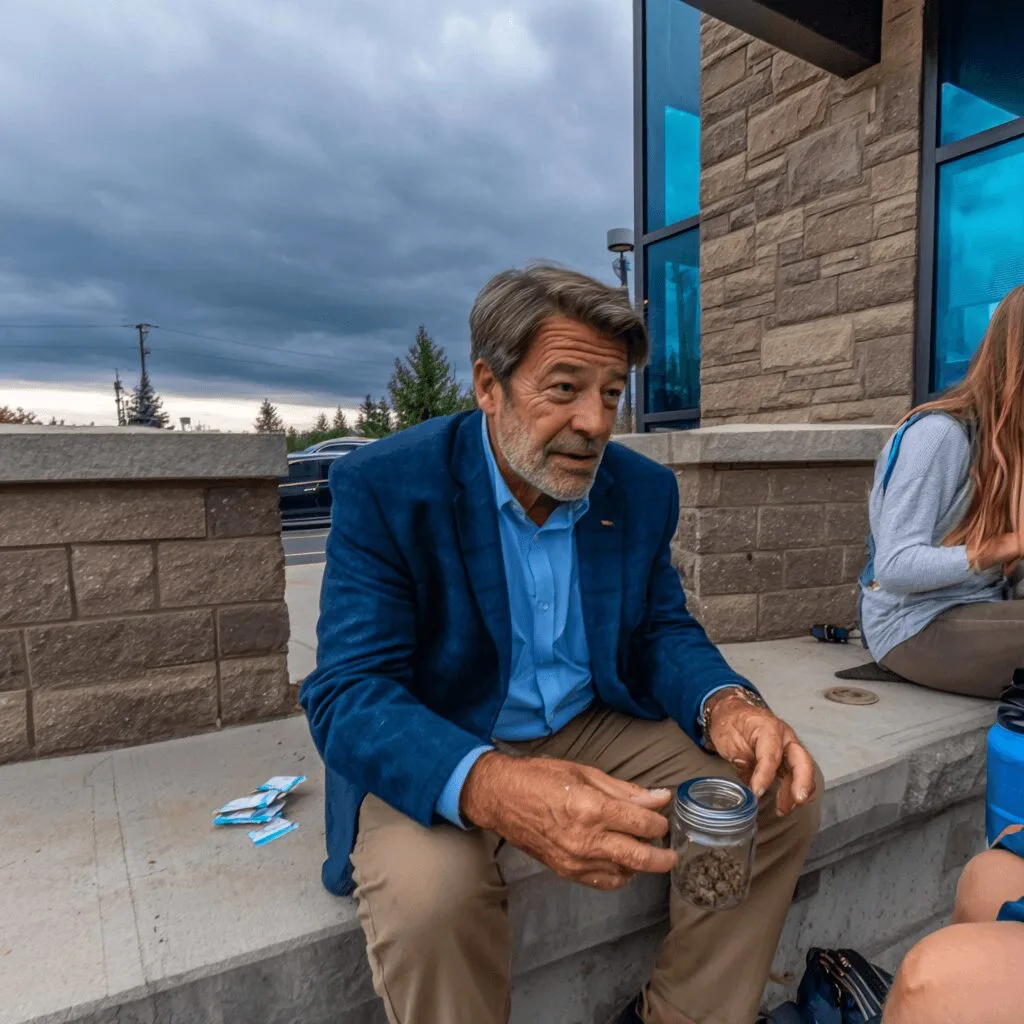
Politician Drug Sentencing: Shocking Probation Decision
The buzz about politician drug sentencing has reached new highs after a recent court ruling gave a former state candidate just 24 months of probation for drug-related charges from 2024. This decision—dropping like a pungent nug onto the national conversation—has everyone from legal pros to grassroots cannabis advocates debating what’s fair, what’s outdated, and where the cannabis movement is headed. Amid shifting laws and evolving social attitudes, this story highlights just how much is riding on how we handle public figures and cannabis justice. Let’s dive into why this moment matters.
The Changing Landscape: How Cannabis Law and Politics Collide
The world of politician drug sentencing is evolving, shaped by a patchwork of policies and cultural shifts. States like Colorado and California led the way by normalizing cannabis use, not only for medical but also recreational purposes, and growing public interest is reflected in the recent statewide polls showing shifting attitudes on medical marijuana. NORML has tracked these changes state by state. Yet, the clash between federal law (where cannabis remains a Schedule I substance) and increasingly permissive state laws creates a legal gray zone. Lawmakers and activists alike debate whether sentencing reflects public opinion or outdated policy, with reports from the Pew Research Center showing over 80% of Americans now support some form of legalization or decriminalization. These new attitudes shape the way courts—and the public—view politician drug sentencing events, especially as voters consider how the landscape could further evolve with national reforms, as detailed in projections for future marijuana legalization scenarios. Legal inconsistencies and high-profile cases keep pressure on both lawmakers and the justice system to find fair, modern approaches that don’t unfairly target or privilege public figures. Ultimately, every politician drug sentencing event sets legal and cultural precedents that ripple far beyond the defendant.
From Campaign Trail to Courtroom: Breaking Down the Recent Politician Drug Sentencing
On December 26, 2025, a former state candidate was sentenced to 24 months of probation, a result that marked the end of a legal saga stretching back to 2024. The charges, which stemmed from cannabis possession and other related activities, drew considerable attention given the defendant’s public role. According to TCPalm’s news coverage, the court’s reasoning weighed the evolving legal environment, the defendant’s lack of felony history, and ongoing national cannabis reforms. Prosecution initially sought jail time, but the judge cited the changing ‘spirit of the law’, especially as state reforms softened penalties for nonviolent cannabis offenses, and ruled for probation with time served. Community members and advocacy groups immediately debated whether this politician drug sentencing outcome signaled progress or exposed lingering double standards. Recent state-level dispensary openings, such as the celebrated launch in Redmond, show how local cannabis policy continues to progress, with community milestones shaping public debate. Legal filings and activist statements published in Marijuana Moment noted the case’s symbolic weight in the ongoing fight for equal justice, especially for those without political clout.
Expert Analysis: Cannabis Justice, Public Perception, and the Road Ahead
This case sends ripples through the cannabis industry and legal world alike. The debate over politician drug sentencing often centers around themes of fairness and precedent: should public figures face harsher, lighter, or equal penalties compared to everyone else? Industry experts, like Leafly’s political editors, argue that, “Every politician drug sentencing decision shapes community perceptions and highlights gaps between policy and reality.” High-profile leniency can spark public outcry, but it also reflects broader legal reforms, as seen in data across states decriminalizing nonviolent drug offenses (Drug Policy Alliance). Some experts point out that new executive orders and legislative changes, such as those highlighted in the analysis of how rescheduling cannabis is impacting the industry, can shift sentencing outcomes and judicial attitudes. Studies by industry watchdogs show that while many everyday people still face harsh consequences, there is a slow convergence toward rational, treatment- or probation-based outcomes for low-level cannabis cases. Balanced expert opinion, like that from High Times: “This latest sentencing is both a mirror and a magnifier of how old stigmas and new realities collide in America’s courtrooms.” There’s still work to do, but the trend is undeniably heading toward normalization over criminalization.
Cannabis Sentencing’s Future: Fairness, Reform, and Hope
As the dust settles on this latest politician drug sentencing, one thing’s clear: momentum for smart, fair cannabis law is building. Legalization and decriminalization efforts keep spreading, with regulatory agencies and voters alike throwing weight behind change. According to a 2023 Pew Research Center study, most Americans now support treating cannabis offenses with logic and compassion, not outdated punishments. These practical shifts—seen in the outcome of this and similar politician drug sentencing cases—signal real progress, even as conversations about fairness and privilege remain vital. Looking ahead, I’m optimistic: the green tide isn’t just rising, it’s washing away stigma, opening new economic doors, and showing that even politicians can spark conversations that benefit everyone. If you’re passionate about reform, now’s the time to keep pushing for fairness and justice—for all.
Originally reported by: tcpalm.com



1 Comment
Pingback: Don’t Miss FOX Royale Concert Events: Live Nights Await!