





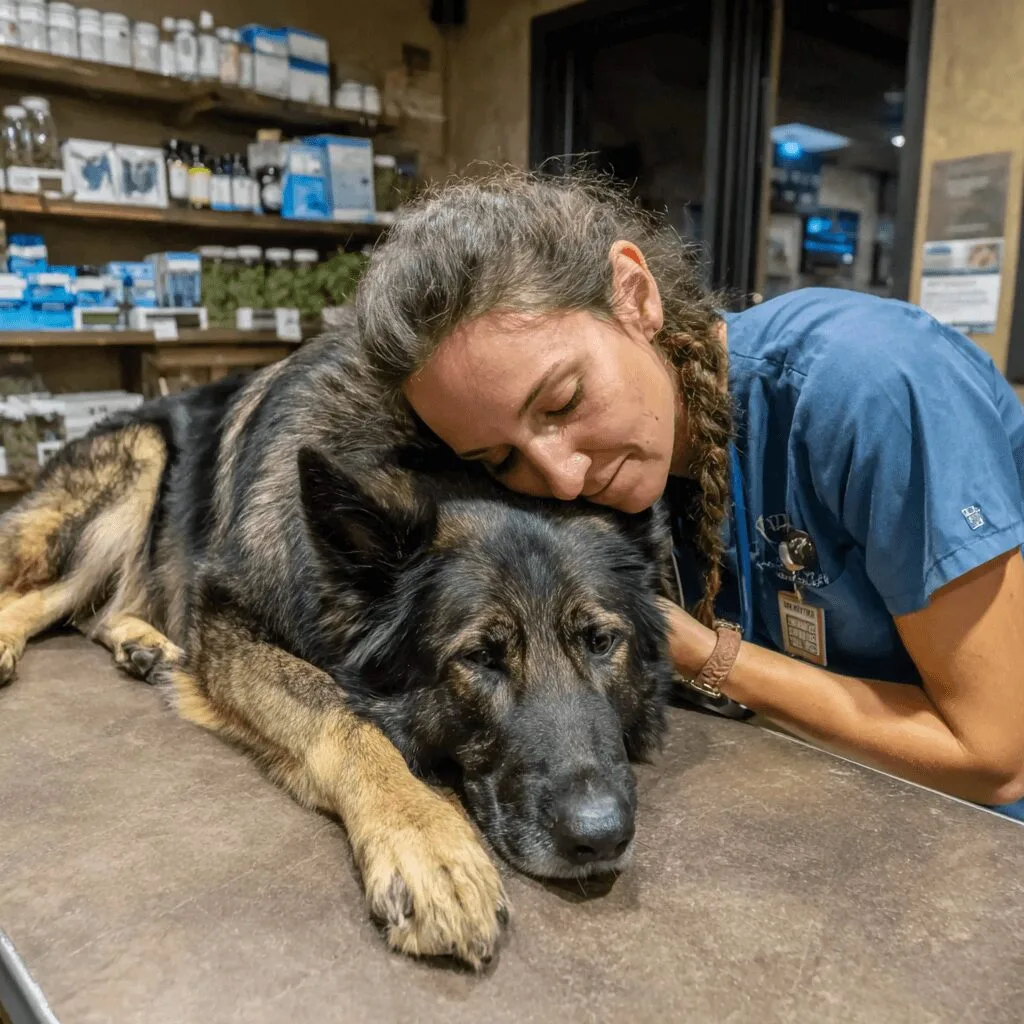
Plant-Based Veterinary Therapies: Explore Breakthrough Treatments
Curious about what’s in your furry friend’s medicine cabinet? There’s a hot new player in town: plant-based veterinary therapies. As pet parents crave gentle, natural care and wellness options for their four-legged companions, the industry is seeing unprecedented demand for these alternative remedies. From cannabis to chamomile, modern clinics are rethinking how they approach everything from anxiety to chronic pain in pets. This article breaks down why plant-based veterinary therapies are trending, what major authorities are saying, and what this all means if you’ve ever wondered: could a little green (leaf) change the game for animal health?
Growing Momentum: Background & Context for Plant-Based Veterinary Therapies
You don’t have to be a lifelong animal lover to notice a seismic shift happening in pet healthcare. Fueled by broader acceptance of cannabis and herbal medicine in human wellness, veterinary circles are starting to take notice. In 2023, the American Veterinary Medical Association reported a measurable rise in consumer demand for plant-based alternatives. Still, the legal road has potholes: while CBD products can be found over the counter in some states, FDA guidelines on cannabis-derived compounds for animal use remain in flux. If you’re curious about how cannabis regulations are turning local laws upside down, recent changes in enforcement—such as a notable ruling in Riverhead—shed light on how evolving legal frameworks might soon impact veterinary access. (Learn more about local cannabis law rulings here.)
Add to this the growing concern over long-term pharmaceutical side effects and surging CBD research in pet and human trials, and you’ve got fertile ground for change. Socially, the push comes not just from veterinarians but from pet owners who want more control and natural options. The result? Plant-based veterinary therapies are emerging as a disruptor poised to challenge the long-standing pharma playbook, especially in North America and Europe.
Key Developments: Major News & Case Studies from the Frontlines
According to a 2025 peer-reviewed study in Frontiers in Veterinary Science, recent clinical trials show CBD derived from industrial hemp can meaningfully support pain relief and mobility in aging dogs, without the adverse effects typical of conventional drugs. Major veterinary groups like the AVMA and AAHA have begun issuing updates and guidance on talking to pet owners about cannabinoids, even if they can’t (yet) officially endorse or prescribe certain compounds.
States like Colorado and California are taking legislative steps to enable licensed vets to discuss and recommend certain plant-based veterinary therapies in clinic settings. California, in particular, has made headlines recently after a medical cannabis bill was vetoed—an event that many residents and pet owners should pay attention to for its ripple effects on animal care (read why this matters for California vets and pet owners). Meanwhile, companies such as ElleVet Sciences and Medterra have announced research partnerships with major universities to further validate safety and efficacy standards. The bottom line: according to Frontiers in Veterinary Science, the clinical and legal momentum is only accelerating.
Expert Analysis: How Plant-Based Veterinary Therapies Fit Into the Cannabis Boom
Let’s be clear, not every dispensary or herbal supplement is ready for your dog. But the beauty of forward-thinking plant-based veterinary therapies is that science is catching up with culture. As Dr. Trina Hazzah, veterinary cannabis consultant, explained to Cannabis Business Times, “Most adverse events we see with properly dosed [cannabis] products are mild—think sleepiness or soft stool—while the upside for pain or anxiety can be life-changing.” Industry leaders point out that ongoing research at places like Cornell and the University of California Davis is key for earning FDA trust and shifting public perception, and these changes are resonating even in markets shaping the medical marijuana landscape—such as how cultivation centers, like those in Ocala, significantly influence both supply and industry standards (see how cultivation is shaping Florida’s cannabis future).
This isn’t just about trends, it’s about shifting standards and responsible guidance. As one AVMA expert report noted, “Cannabis-derived therapies are expanding options for cases where traditional drugs fall short.” Balanced legalization, quality controls, and transparent education are the new frontiers for both pet health and the cannabis world at large.
Future Outlook: Pet Wellness Meets Progressive Cannabis Change
If you’re hoping the days of taboo and fuzzy legality are fading, you’re not alone. More states are adapting laws to let vets talk openly about plant-based veterinary therapies, while regulators eye the successes and challenges south of the border in Canada and in advanced U.S. states.
Leading analysts predict a surge in research, safer formulations, and new guidelines over the next 3-5 years, echoing the expansion we’ve seen in human health products. Pet Age forecasts that as social acceptance and scientific backing meet, plant-based veterinary therapies will become standard—if not stylish—in the toolkit of tomorrow’s veterinary clinics.
Bottom line: the future is green, literally and figuratively, for both pets and humans who care about their well-being. Bring on the age of calm, chill, and healthier animals—one (plant-based) treat at a time.
Originally reported by: frontiersin.org



1 Comment
Pingback: County Park Marijuana Regulations: What Visitors Must Know