Pittsfield cannabis dispensary: Local Changes You’ll Notice
Let’s be real—if you follow Massachusetts cannabis news, there’s never a dull moment. The Pittsfield cannabis dispensary scene is buzzing again, with major neighborhood shifts and evolving local regulations. Recent changes are putting this area at the center of both opportunity and debate. If you’re a medical patient, a curious newcomer, or just a neighbor watching construction trucks roll in, these developments could affect your daily routine. Stick around—we’ll dive into what’s changing, why it matters, and what it all means for the greater Pittsfield community.
Understanding Pittsfield: Cannabis, Regulations & Neighborhood Dynamics
Pittsfield’s cannabis dispensary landscape reflects deeper industry trends taking shape throughout Massachusetts. Back in 2016, voters approved adult-use cannabis in the state, under tight Massachusetts Cannabis Control Commission oversight. Those regulations still steer everything from facility licensing to where dispensaries open and how they interact with neighbors. Local ordinances shape business hours, advertising, and proximity to sensitive locations, sometimes sparking community debate. These rules are designed to balance access with safety and social equity, a big deal for both advocates and wary neighbors. The arrival of new businesses often brings tough conversations, especially in classic New England towns like Pittsfield, where historic homes and tight-knit communities are the norm. For families exploring the current cannabis landscape, it’s important to stay informed about changing teen cannabis use trends, as local regulations may impact youth exposure and community discussions. While Massachusetts continues to see healthy market growth (with over $4 billion in sales since legalization, according to Marijuana Moment), each city wrestles with unique land-use and zoning challenges, and Pittsfield is no exception.
Key Developments: Demo Decisions, Dispensary Impact
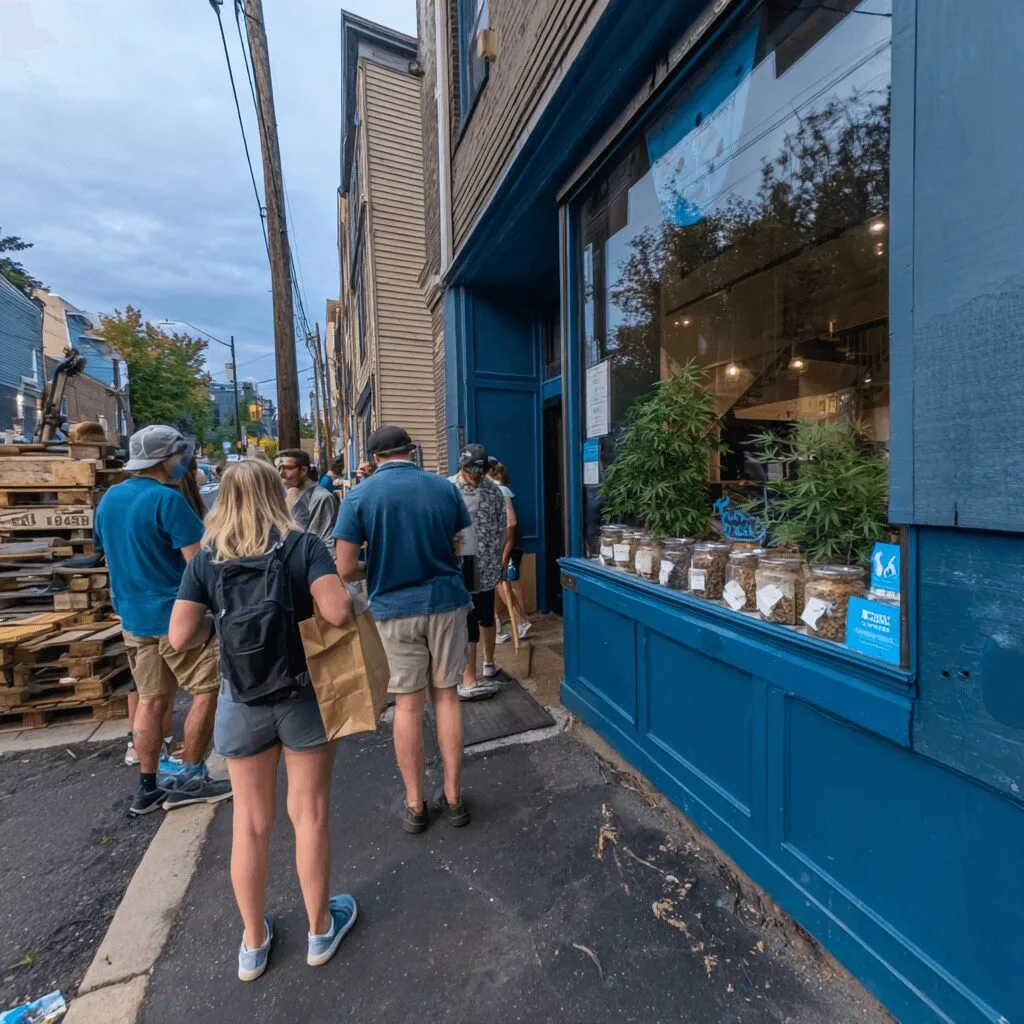
Here’s what’s unfolding right now: Pittsfield’s city government gave the green light for the demolition of several multifamily residences adjacent to one of the city’s key cannabis dispensaries. According to a recent report by iBerkshires, the Pittsfield Community Development Board approved the move in June 2024. The properties in question, aging multifamily houses, are set to be cleared to make way for potential development and traffic flow improvements. As cities like Pittsfield weigh this kind of redevelopment, it echoes similar debates in places such as Little Rock, where marijuana policy and law enforcement intersect with urban change. Affected dispensaries operating within these evolving zones will see their storefronts become even more visible. Local entrepreneurs have been vocal, citing both opportunity and gentrification concerns. Legal notices posted on city boards confirm the demo will follow all health, safety, and environmental standards set by Pittsfield and Massachusetts law. City officials referenced increased foot traffic driven by compliant, state-licensed dispensaries as both a positive downtown catalyst and a reason for careful urban planning. One notable dispensary, which neighbors these now-doomed multifamily buildings, will be directly impacted by the shifting landscape. The intersection of cannabis commerce and residential redevelopment isn’t new, but the city’s decision is sparking fresh dialogue on the best path forward for both longtime residents and new business owners.
Expert Insights: What This Means for Pittsfield Cannabis Dispensary Growth
So, are these local changes a buzzkill or a boost for the Pittsfield cannabis dispensary community? From my time in the industry and talking to fellow advocates, it’s clear, adaptation is the hallmark of cannabis progress. Urban renewal, when it respects community history, often leads to safer neighborhoods and improved access. But disruption can trigger concerns about affordability and neighborhood ‘vibe’. According to Leafly News, dispensaries have a measurable impact, including increased economic output, new jobs, and a noticeable drop in illicit market activity. At the same time, housing demolition requires empathy and investment in social supports. As Niambe McIntosh, cannabis advocate and daughter of reggae legend Peter Tosh, wisely put it: “The cannabis movement is deeply tied to community building and restorative justice.” (Quote via Forbes.) For cities managing this kind of transition, looking to how marijuana sales tax proceeds could transform community budgets and policy decisions is instructive. Ultimately, the Pittsfield experience echoes a statewide, and nationwide, debate: how do we build a thriving legal market while taking care of our neighbors? The best models balance opportunity with deliberate, inclusive planning.
What’s Next? The Future for Pittsfield Cannabis Dispensary and Community
The Pittsfield cannabis dispensary story is far from finished. As construction equipment moves in and new lots emerge, the evolution of downtown is a microcosm of the greater Massachusetts cannabis surge. Industry projections from the Boston Globe indicate continued growth, along with calls for equitable policy and sustainable city planning. With thoughtful leadership and compassionate advocacy, Pittsfield can showcase how cannabis businesses and residential redevelopment drive positive outcomes. Watch this space: more access, more community investment, and an increasingly vibrant neighborhood vibe are all on the horizon. Here’s to a greener, more inclusive Pittsfield—one bold step at a time.
Originally reported by: iberkshires.com