





Pioneer Valley marijuana license: How to secure yours fast
The race for a Pioneer Valley marijuana license is heating up, as fresh developments in cannabis cultivation regulations open exciting new opportunities for entrepreneurs and local growers. Community demand, evolving state policies, and increased competition mean securing your license quickly has never been more urgent—or rewarding. We’ll break down what’s happening, why it matters, and how you can position yourself at the front of the licensing line.
The Regulatory Landscape: Background to the Pioneer Valley Marijuana License
Legal cannabis in Massachusetts continues to mature, with the Massachusetts Cannabis Control Commission guiding the complex process. Since the state embraced adult-use cannabis, industry analysts at Leafly say the state’s careful licensing framework has shaped access and competition. Navigating zoning requirements, background checks, and municipality agreements can be a labyrinth, but it’s the path for anyone seeking a Pioneer Valley marijuana license. Local governments play a huge role, often working closely with activists, businesses, and residents to balance economic benefits with neighborhood concerns. Pioneer Valley’s unique agricultural tradition and active civic culture make it a microcosm of the larger state debate around cultivation, licensing, and community standards. As more people demand safe, locally grown products, regulators and growers face new pressures to expand responsible access without sacrificing oversight or compliance, similar to how changing cannabis markets are redefining wellness and community elsewhere.
Pioneer Valley Marijuana License: Latest Developments & Issues
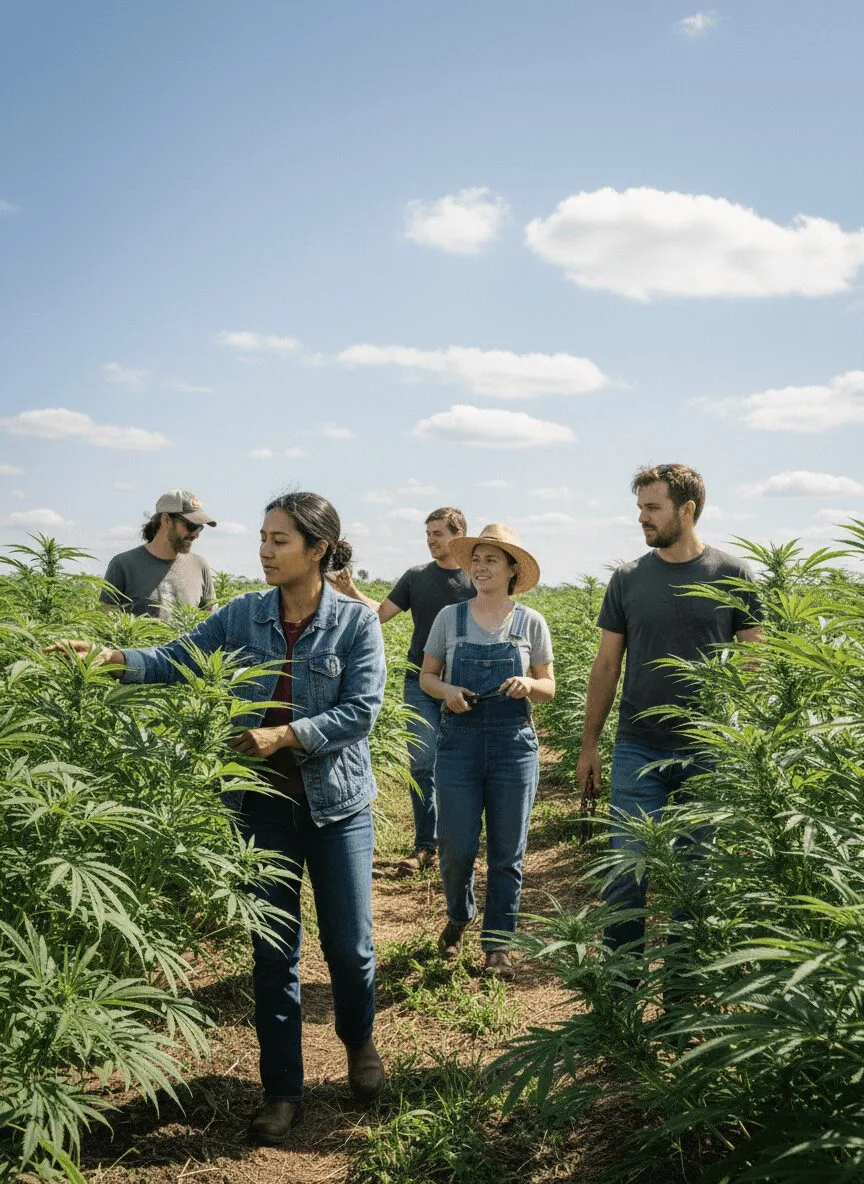
The scene is buzzing with major breakthroughs. On March 12, 2026, Pioneer Valley received the official go-ahead from the state to pursue a large-scale marijuana cultivation license. According to MassLive’s original report, a coalition of experienced local cultivators—backed by new venture Green Mountain Roots—applied for a Pioneer Valley marijuana license under the recently streamlined application process. This move follows fresh state-level clarifications that prioritize community impact plans, sustainable practices, and equity requirements for new operations. With the Cannabis Control Commission launching updated guidelines for compliance and environmental sustainability, applicants are now expected to show clear business models, local hiring pledges, and water use mitigation strategies. Businesses like Green Mountain Roots aim to leverage Pioneer Valley’s rich farming soil and cooperative spirit as their competitive advantage—a true reflection of the region’s reputation for innovation. The rapid rollout of new licenses has sparked optimism and competition, while some residents voice cautious support, welcoming transparency but asking for responsible stewardship, a sentiment echoed in other parts of the country facing similar challenges as seen in recent cannabis commission audits. Detailed legal filings, as noted by The Boston Globe, highlight how license distribution is now under tighter local oversight, with cities like Northampton and Holyoke contributing to a fair, community-oriented process around Pioneer Valley marijuana license approval.
Expert Analysis, Insights & Pro-Cannabis Perspective
What does this mean for aspiring cannabis growers? As one industry expert, Shaleen Title (former Massachusetts Cannabis Control Commissioner), shared in an interview with MJBizDaily: “Massachusetts continues to set a national example for prioritizing equity and small business opportunity. The Pioneer Valley marijuana license program is shaping up to blend local economic growth with best-in-class social equity standards.” The revamped framework is already drawing positive attention from trade groups and analysts, who note that increasing license awards boost product quality, job creation, and innovation. At the same time, the state’s thorough vetting ensures that only compliant, community-focused businesses succeed in obtaining a Pioneer Valley marijuana license. Forward-thinking entrepreneurs report that transparent compliance, community engagement, and craft farming practices are the best way to stand out. The ongoing dialogue between local officials, cultivators, and residents is encouraging greater trust and transparency, supporting the region’s identity as a responsible cannabis leader. These discussions mirror shifts in community impact and local council decisions seen across the nation, such as recent council actions that have significantly shaped community cannabis approaches. With new technology and sustainable methods entering the scene, the Valley is on track to see its market thrive, all while keeping social and environmental ethics front and center.
Looking Ahead: The Future of the Pioneer Valley Marijuana License
The story isn’t just about getting a Pioneer Valley marijuana license—it’s about joining a movement that fuses entrepreneurship, agronomy, and social justice. As regulatory improvements and community collaboration continue, sources like Cannabis Business Times say Massachusetts is poised for sustainable industry growth and expanding opportunity. The Pioneer Valley exemplifies this evolution, blending decades of regional farming know-how with cutting-edge compliance and business acumen. Whether you’re an ambitious grower or a neighbor invested in local impact, the changes ahead invite optimism. Expect to see more inclusive, streamlined processes, stronger product quality, and genuine collaborative spirit as the Valley’s cannabis market blossoms. Securing your Pioneer Valley marijuana license isn’t just a bureaucratic task—it’s a milestone at the heart of the region’s cannabis renaissance.
Originally reported by: masslive.com


1 Comment
Pingback: Mira-55 CNS safety profile: A Game-Changer for Cannabis Medicine