





These days, understanding Pierce County THC possession is more important than ever. Across Washington, cannabis laws have shifted, but patchwork interpretations cause confusion and headaches—especially for residents dealing with county-level enforcement. As local courtrooms tackle new possession cases and legislation evolves, staying informed is the difference between a citation and clarity. In this deep dive, we’ll break down the latest news, what’s at stake in Pierce County, and what every cannabis consumer should know in 2024.
Regulatory Background: Why Pierce County THC Possession Matters
Pierce County sits at the crossroads of Washington’s progressive stance on cannabis and the gray areas still present in daily enforcement. After Washington’s voter-approved Initiative 502 legalized marijuana for adults back in 2012, broader acceptance followed. Yet THC possession, especially outside state-sanctioned dispensaries, still generates courtroom drama and legal questions. According to The Seattle Times, even minor differences in county priorities lead to uneven prosecution risks. Meanwhile, federal law looms in the background, complicating matters for everyday users, medical patients, and industry professionals—and recent events like a high-profile holiday cannabis-related arrest shed more light on the complexities of law enforcement. Local law enforcement and the Pierce County legal system must balance state legalization with federal prohibition, sometimes resulting in penalties for what would be dismissed elsewhere. On top of that, outdated interpretations of residue or paraphernalia possession can impact otherwise law-abiding adults. Social acceptance is steadily climbing, but the legal landscape hasn’t entirely caught up, leaving many to wonder how safe they really are when carrying THC in Pierce County.
Recent Developments in Pierce County THC Possession Cases
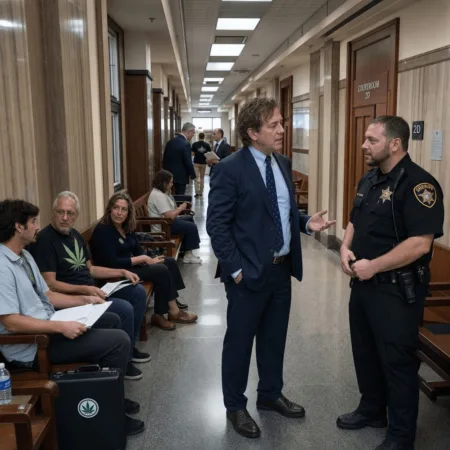
The spotlight is on recent court proceedings in Pierce County Circuit Court, as highlighted in the original Pierce County Journal report. Between December 11 and 15, 2025, several community members appeared on charges related to Pierce County THC possession. The charges reflect lingering inconsistencies in how possession laws are enforced post-legalization. Even small amounts of edible or concentrate THC products sparked legal scrutiny. According to court documents cited by the Journal, law enforcement claimed probable cause based on vehicle searches and field sobriety tests. Yet, defendants frequently argued they believed their purchases were compliant with state guidelines. The court dockets reveal little leniency for confusion or small infractions, echoing a national trend outlined by NORML where state-by-state regulation creates friction for users and patients alike. Recent conversations about evolving state policy, such as federal marijuana rescheduling, highlight the disconnect between local enforcement and broader reform efforts. As the community reacts to these high-profile cases, public defenders emphasize the importance of knowing local regulations. Observers say the high volume of possession citations in late 2025 underscores a growing disconnect between state reform and local enforcement on THC-related offenses.
Expert Perspectives: Making Sense of Pierce County THC Possession
For long-time industry advocates and policy watchers, these legal hiccups are no surprise. They reflect the complicated path from prohibition to normalization. According to cannabis law scholar Hilary Bricken—quoted in a recent Canna Law Blog post—“Many consumers don’t realize just how much discretion lies with local law enforcement, even after major legalization victories.” The saga of Pierce County THC possession cases underscores this reality and signals that there’s still ground to cover on civil rights and social equity. Industry reports from MJBizDaily also point to market confusion, showing how state-by-state differences create obstacles for patients and recreational users alike. Looking at the broader market context, shifts in tax revenue from legalized cannabis in Colorado further highlight the economic opportunities that arise when regulation and enforcement align. Local advocates recommend being proactive: staying updated on both county and state changes, and pushing officials for more equitable policies. As the cannabis sector continues booming, the lesson from Pierce County is clear: education beats a citation every time, and it’s on all of us to keep pushing the system toward true fairness.
Future Outlook: The Growing Acceptance of THC in Pierce County
As the calendar flips and more stories emerge from Pierce County, optimism abounds for the future of responsible cannabis use. Lawmakers, pushed by community pressure and advocacy groups, are rethinking old school policies in light of better data and overwhelming social support. According to the Pew Research Center, a record number of Americans now favor cannabis legalization for personal and medical use. This positive sentiment is shifting courtrooms and, hopefully, enforcement priorities in places like Pierce County. By empowering residents, demanding fair laws, and championing social equity, the cannabis community is helping to build a safer, more inclusive industry. Here’s to fewer hassles, clearer regulations, and—most importantly—respect for every responsible adult choosing their own path with THC.
Originally reported by: piercecountyjournal.news


1 Comment
Pingback: Cannabis Legal Reclassification: What It Means Now