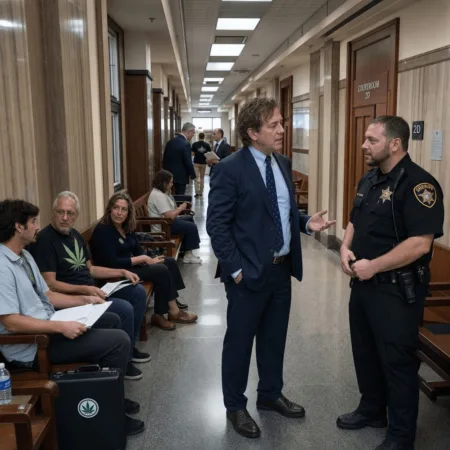
Philippines marijuana seizure leads to arrests and millions seized
If you’ve been paying even a little attention to cannabis news in Southeast Asia, you know the Philippines marijuana seizure saga is making serious waves. As the global attitude toward marijuana evolves, these large-scale law enforcement actions in the Philippines are surfacing at a crucial crossroads between old-school prohibition and a budding wave of cannabis reform talks. With millions of pesos worth of weed confiscated and high-profile arrests making headlines, this week’s events are more than just a newsflash—they’re a sign of deeper currents shaping the region’s cannabis landscape. We’re about to break down why the latest Philippines marijuana seizure matters, what it says about the country’s drug policies, and how it fits into the bigger global picture.
Behind the Headlines: Cannabis Policy & Social Climate in the Philippines
The Philippines has a long history of stringent anti-drug policies, famously toughened under the Dangerous Drugs Act of 2002. This legal statute, as explained by the Official Gazette of the Republic of the Philippines, strictly prohibits the cultivation, possession, sale, and use of marijuana. Law enforcement agencies, especially the Philippine National Police (PNP) and the Philippine Drug Enforcement Agency (PDEA), have bolstered these tough stances with aggressive campaigns, often seizing large contraband shipments and conducting high-profile operations—similar to major cases in other countries such as the Detroit police crackdown on cannabis on the East Side.
Socially, cannabis remains a controversial subject in the Philippines. While global movements toward legalization and decriminalization gain momentum, Filipino society and lawmakers remain largely cautious, citing health, morality, and security concerns. However, an increasing number of surveys report growing public support, with nearly half of Filipinos now favoring some form of medical marijuana access, as recent polling shows. Within this divided context, each Philippines marijuana seizure continues to fuel debates on drug reform, civil rights, and the practical impacts of prohibition.
Breaking Down the Latest Operation: What Really Went Down
This week’s Philippines marijuana seizure saw the nation’s police force conduct a coordinated crackdown across critical regions. According to official updates on the Philippine National Police (PNP) Public Information Office, the tactical raids were executed during a concentrated 24-hour blitz. Officers seized an estimated PHP 122 million in illegal marijuana, much of it raw and freshly harvested plants, in addition to processed and packaged cannabis prepared for distribution. Such large-scale enforcement events often raise questions about the impact on both law enforcement and communities, as witnessed after similar drug trafficking busts in Florida.
Seventeen suspects identified as “most wanted” individuals were also arrested, connecting this Philippines marijuana seizure directly to ongoing organized trafficking networks. Police authorities emphasized that these actions are not isolated, but part of a broader anti-drug initiative encompassing multiple buy-bust operations and rural plantation busts, comparable to developments in other areas facing clandestine cannabis farms and enforcement challenges.
The operation is being described by law enforcement as one of the largest recent seizures, not only for its volume, but also due to the significant disruption to established networks and a notable uptick in successful prosecutions following the event. Official statements reinforce the perception of progress in the ongoing ‘war on drugs’, even as critics call for new approaches that move beyond pure enforcement.
Expert Perspectives: Legal Impact and Industry Insights
From the perspective of cannabis advocates, the scale and visibility of this Philippines marijuana seizure function as a double-edged sword. On one hand, it highlights how deeply entrenched the underground cannabis economy remains despite decades of prohibition. On the other, it underscores the widening gap between public sentiment and legislative reality, especially as other regions shift toward harm reduction, scientific research, and regulated policies.
Leading experts and analysts continue to weigh in. According to a report by Leafly, “Widespread enforcement against low-level cannabis offenses often diverts resources from real public health measures.” Filipino academic and drug policy researcher Dr. Gideon Lasco, writing for Rappler, puts it simply: “If anything, the black market for marijuana flourishes because it’s illegal.” These debates echo ongoing discussions seen in other countries’ efforts to update or replace outdated laws, much like the lessons learned from Canadian medical cannabis policy shifts.
With neighboring countries such as Thailand making headlines for progressive cannabis reforms, the pressure is on Philippine lawmakers to reevaluate restrictive policies or risk being left behind on safe access, economic benefits, and new research opportunities. Ongoing Philippines marijuana seizure events may appear to be victories in the drug war, but many industry observers caution they may instead reflect a deeper, unaddressed demand for change.
Looking Ahead: Can the Philippines Find a Smarter Path Forward?
The headlines around every Philippines marijuana seizure aren’t going away soon. But the bigger story is about a nation at the crossroads of cannabis history—balancing entrenched laws, nuanced public opinion, and the undeniable momentum of global reform. Future developments will depend on political will, open-minded dialogue, and the courage to learn from successful cannabis frameworks abroad, like those seen in Thailand and parts of North America.
One thing’s for sure: each major Philippines marijuana seizure sparks conversation, debate, and a gradual move toward greater social acceptance and policy evolution. We’re watching closely—cheering for real progress, grounded in facts, compassion, and the lived experiences of those most affected. The future? It’s looking greener by the day.
Originally reported by: facebook.com