





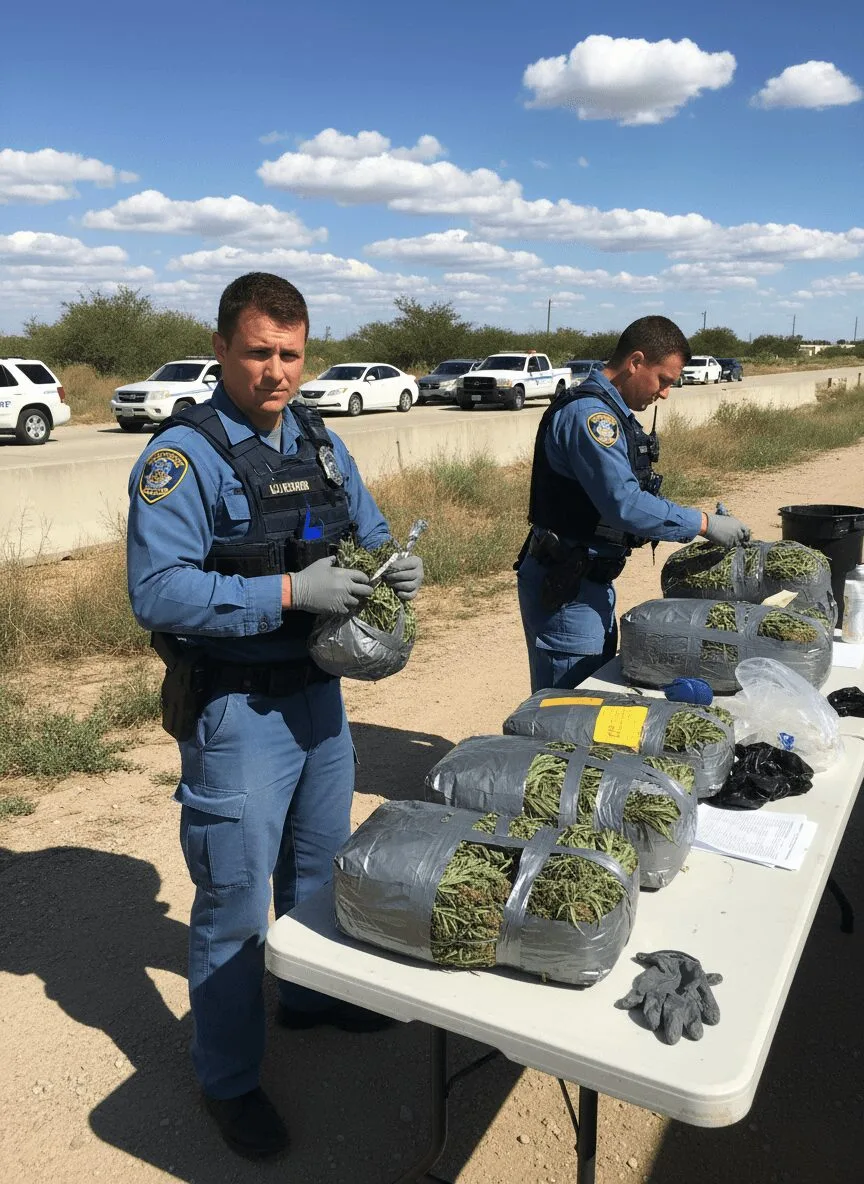
Philadelphia CBP marijuana seizure: Officers intercept Europe-bound loads
It’s big news in the cannabis space right now—the Philadelphia CBP marijuana seizure isn’t just another checkpoint story. As global cannabis markets expand and international regulation evolves, this event sheds fresh light on ongoing debates over cross-border marijuana policies, criminal justice, and the sticky intersection of local, federal, and global law. With federal cannabis prohibition still standing in the U.S. (despite a sea change in state-level reform), every high-profile customs bust reverberates throughout the industry, impacting advocacy, business, and policy development. Let’s break down why this high-stakes story matters in the bigger cannabis conversation, and what it means for change-makers on all sides of the legalization divide.
Understanding the Regulatory Landscape, Why Customs Seizures Still Happen
The Philadelphia CBP marijuana seizure is a prime example of how outdated federal law continues to clash with shifting public opinion and state-level cannabis reform. Under DEA scheduling, marijuana remains a Schedule I controlled substance, making it federally illegal to possess, trade, or transport cannabis, even where it’s legal in certain states. Customs and Border Protection (CBP) is a federal agency legally required to uphold these national restrictions, regardless of local legalization measures or emerging evidence about marijuana’s benefits. The U.S. also maintains international obligations under conventions like the Single Convention on Narcotic Drugs, which creates challenges as legal cannabis gains a foothold internationally, similar to the ongoing complexities faced in states preparing for wider retail markets such as Virginia’s retail marijuana launch. Despite the increasing momentum for federal reform, overlapping laws generate ongoing enforcement actions, causing policy friction and delays. The push for a more science-driven and rational approach to global cannabis logistics continues to grow as the marketplace and advocates demand clarity.
Breaking News, What Happened in the Philadelphia CBP Marijuana Seizure
According to U.S. Customs and Border Protection, officers at the Philadelphia port intercepted two large marijuana shipments intended for export to Europe. The seizure featured multiple packages disguised as legitimate cargo, detected during a standard outbound inspection. Officials discovered several concealed bundles, some split open to expose green cannabis flower. This June 2024 event stands out as one of the largest outbound cannabis busts from Philadelphia in recent memory, showing that, while U.S. domestic reform is advancing, international trade still faces heavy legal scrutiny. The CBP emphasized that their actions were in line with current law and international obligations, preventing significant quantities from reaching Europe. Photo releases highlighted the day-to-day reality of port enforcement. International incidents like this echo debates seen in states with fast-evolving regulatory issues, such as the impact of recent hemp sales bans in Texas and their effect on local consumers.
Expert Insights, What the Philadelphia CBP Marijuana Seizure Means for the Cannabis Industry
This high-profile incident brings critical questions about the future of cannabis logistics, and why old enforcement models may not align with modern social and commercial trends. As Marijuana Moment recently noted, cannabis is still treated as a legal patchwork in the United States, but international shipment remains fraught with risk due to federal statutes lagging behind global trends. Steve Hawkins, former Executive Director of the U.S. Cannabis Council, explained, “International trade will eventually become a competitive cornerstone for American cannabis, but only when sensible regulation replaces blanket prohibition.” These challenges are familiar territory for industry leaders facing sudden policy shifts, not unlike those who recently navigated regulatory upheaval in Idaho’s cannabis election campaigns where high-stakes donations have triggered new debates. With legalization advancing in European countries such as Germany and Malta, U.S. producers want to export—yet must wait for Congress to align federal law with market realities. Seizures like this underscore ongoing risks and missed business opportunities for the cannabis industry.
Looking Ahead: Reform, Opportunity, and the Path to Modernization
Despite headlines like the Philadelphia CBP marijuana seizure, trend lines for the global cannabis industry remain overwhelmingly positive. Major research institutions and advocacy organizations such as the National Organization for the Reform of Marijuana Laws (NORML) have documented surging public support for sensible cannabis reform at every level. With legislation moving at the state and federal level throughout 2024, forward-thinking policymakers and industry advocates are laying groundwork for comprehensive updates to international and domestic drug laws. The Philadelphia CBP marijuana seizure is a loud reminder—border enforcement remains stuck in yesterday, but tomorrow’s cannabis industry will be shaped by science, pragmatic trade policies, and a growing recognition of cannabis’s legitimate market role. As CBD, medical, and adult-use cannabis become normalized, it’s only a matter of time before new rules reflect real-world needs, supporting both public safety and responsible commercial opportunity.
Originally reported by: cbp.gov



1 Comment
Pingback: Cannabis Compliance Panel: Top Enforcement Insights Revealed