





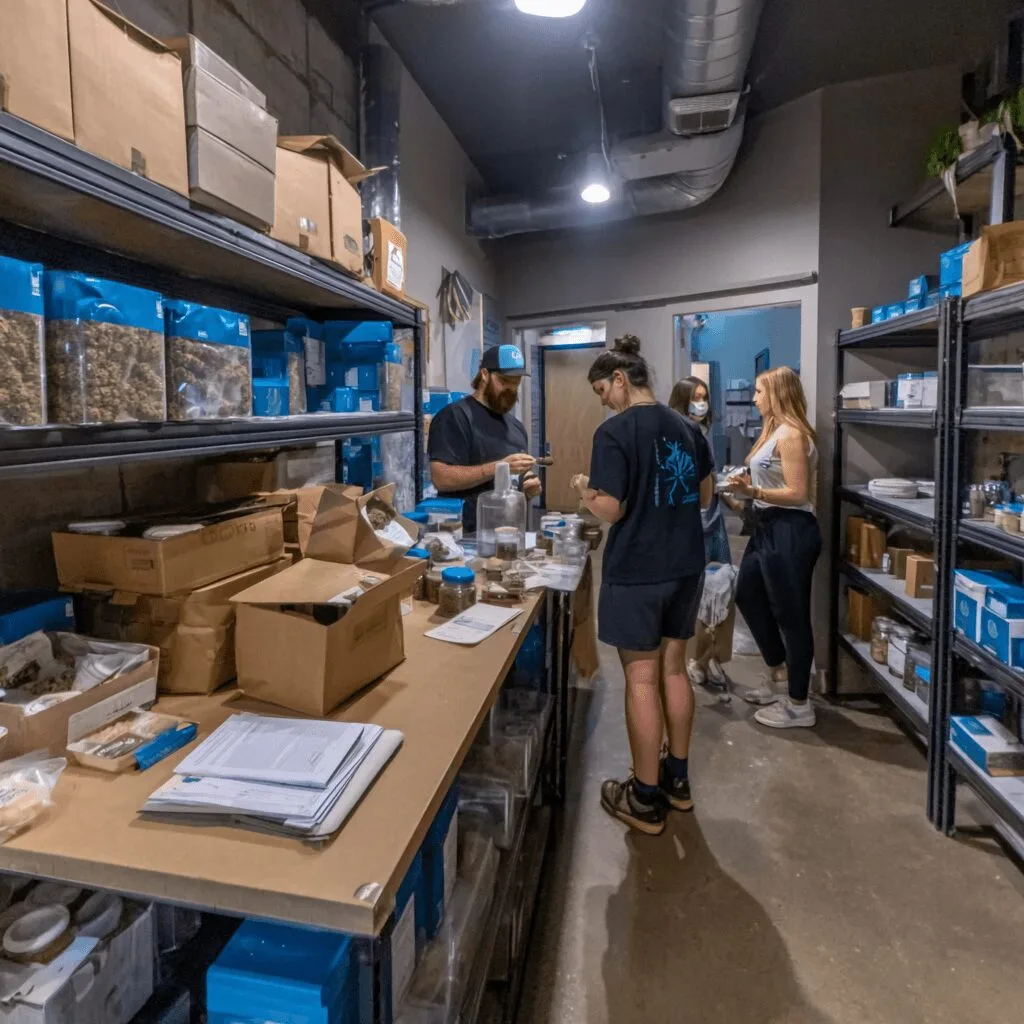
The Pennsylvania cannabis divestment just sent a jolt through the industry, turning heads from Philly to Pittsburgh. A major $12.5 million deal has shifted the state’s cannabis landscape overnight. If you’ve been following cannabis news, you know these transitions speak volumes about market confidence, state regulations, and the evolving business climate. As Pennsylvania’s cannabis scene matures, this latest divestment throws a spotlight on legal complexities, economic stakes, and what’s next for operators. Whether you’re a patient, advocate, or industry insider, it’s crucial to track how divestments shape Pennsylvania’s unique cannabis journey.
Pennsylvania Cannabis Divestment: Regulatory and Market Context
Pennsylvania’s medical cannabis market has been a regulatory rollercoaster since legalization in 2016 (Pennsylvania Department of Health). The state boasts a carefully monitored, vertically-integrated ecosystem, demanding both cultivators and dispensaries to play by strict rules. The state’s licensing process is rigorous, with active oversight ensuring compliance, quality, and security. These regulations foster consumer trust but create a complex web for businesses, especially as the adult-use debate intensifies and as cannabis grow limits are increasingly scrutinized and regulated by lawmakers. Socially, cannabis enjoys growing acceptance, with nearly 60% of Pennsylvanians supporting broader legalization, but opposition remains among some lawmakers and community groups. Economic pressures and limited licenses fuel intense competition, driving companies to reevaluate their market positions. The Pennsylvania cannabis divestment story isn’t happening in a vacuum, it’s a sign of an industry maturing under uniquely Keystone State pressures.
Key Developments: $12.5M Pennsylvania Cannabis Divestment Shakes Market
This week, the news broke that Fluent, operated by Cansortium, has fully divested its Pennsylvania cannabis business for $12.5 million (Cannabis Business Times). The deal involves the sale of assets tied to both cultivation and retail, marking a clear exit from one of the nation’s most watched medical markets. According to official filings and statement releases, the transaction closed after negotiations with a Pennsylvania-based buyer—an operator already deeply rooted in the local scene. This move follows ongoing consolidation trends nationwide, as other states experience falling dispensary costs and pricing adjustments, with multistate operators reassessing market priorities and capital allocation. Cansortium will redirect resources toward Florida, where medical and adult use markets look poised for massive growth. The Pennsylvania cannabis divestment underscores mounting pressures for optimization and profitability amid capricious federal banking rules, local tax structures, and changing consumer habits. Observers note that such a substantial exit at a healthy valuation signals strong belief in Pennsylvania’s future, but also showcases the need to adapt as regulations, competition, and patient preferences evolve.
Analysis & Insights: Interpreting the Pennsylvania Cannabis Divestment
This Pennsylvania cannabis divestment isn’t just about dollars and cents, it’s a reflection of operators reading the room and repositioning for long-term stability. Industry analysts and veteran advocates agree these types of exits aren’t signs of failure, but maturity. “A divestment of this size means the market has enough traction for real competition, strategic exits, and new entrants,” says Amanda Reiman, a noted policy expert, in a Marijuana Moment commentary. As regulatory environments evolve, similar shifts echo throughout the region, for example, updates to excise fees in neighboring New Jersey are directly impacting both consumers and businesses. Pro-cannabis observers point out: with evolving regulations and increasing patient participation, Pennsylvania continues to promise growth even amid ownership shakeups. The real muscle in this story? Flexibility—operators adapting to unpredictable state and federal climates, harnessing local partnerships, and focusing on consumer trust. The market’s biggest players are refining their playbooks, and that spells both opportunity and challenge for local entrepreneurs. As consolidation continues, those with deep community roots and compliance know-how could become tomorrow’s industry leaders.
Future Outlook: Why the Pennsylvania Cannabis Divestment Signals Progress
Looking ahead, Pennsylvania’s cannabis market remains on an upward trajectory. The $12.5 million divestment is more a pivot than a retreat—a move that frees up capital and innovation, while inviting new local stakeholders to the table. As regulators consider tweaks to the medical program and pressure mounts for full adult-use legalization, patient access and product variety will likely improve. According to the National Organization for the Reform of Marijuana Laws (NORML), the state is primed for expansion. Each high-profile transaction, like the recent Pennsylvania cannabis divestment, lights the path toward a robust legal market, fairer policies, and resident-driven economic growth. From advocacy wins to regulatory reforms, the Pennsylvania cannabis story keeps getting bolder and brighter.
Originally reported by: cannabisbusinesstimes.com



1 Comment
Pingback: Pennsylvania cannabis divestiture: Big $12.5M FLUENT deal