


Paul McCartney marijuana arrest: Shocking truth revealed
The iconic story of the Paul McCartney marijuana arrest keeps sparking headlines—and for good reason. As cannabis laws change globally and generational perspectives shift, McCartney’s run-in with the law offers fresh lessons on celebrity, stigma, and evolving policies. With legalization trends gaining momentum, looking back at high-profile arrests highlights society’s journey from outrage to acceptance—and why those struggles still shape cannabis culture today.
The Legal Landscape Behind the Paul McCartney Marijuana Arrest
The Paul McCartney marijuana arrest didn’t just make tabloid buzz, it illuminated deeper legal complexities. In the 1970s and 1980s, international laws clamped down fiercely on cannabis, especially in countries like Japan and the United Kingdom. As NORML and global drug policy researchers have repeatedly highlighted, penalties ranged from stiff fines to years behind bars, all fueled by the “war on drugs” era. The cultural climate of the time left little room for advocacy, meaning even rock legends weren’t above the law. This historic backdrop is crucial: as legalization campaigns succeed in Canada, parts of the U.S., and Europe, learning from the fallout of arrests such as Paul McCartney’s helps us track lasting policy shifts and enduring stigma. Societal perception was such that cannabis use was widely sensationalized, with mainstream outlets fanning the flames of moral panic. Only recently have we seen a more nuanced dialogue, especially as medical evidence and social justice concerns drive new legislation, as reported by Leafly. Today, as debates over hemp-derived THC products continue to shape national conversations on cannabis, the evolving regulatory landscape reminds us how far things have come—and how controversies still capture public and legal attention.
Key Developments: The Facts of Paul McCartney’s Marijuana Arrest
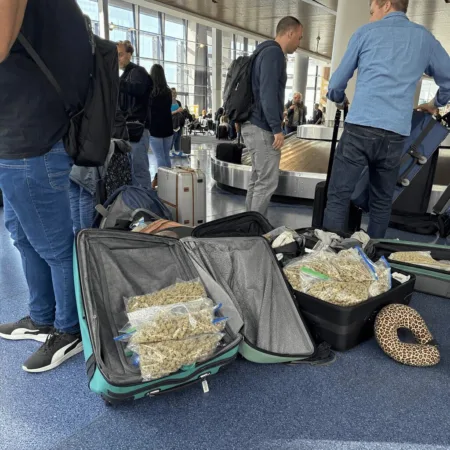
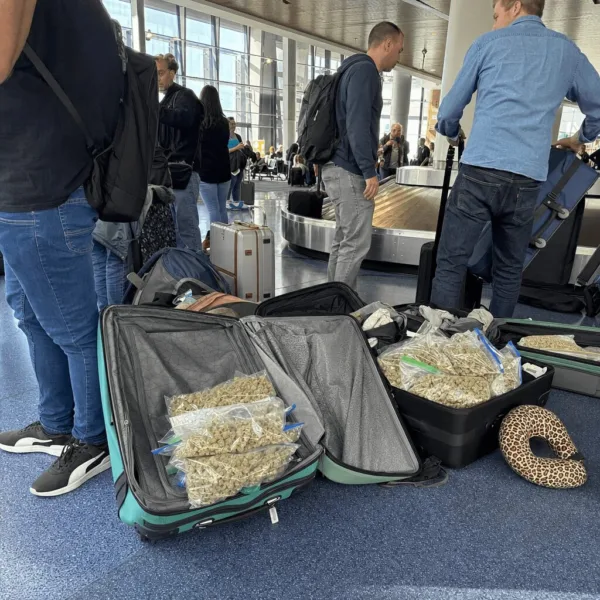
Let’s roll up the facts: In January 1980, Paul McCartney was arrested at Tokyo’s Narita International Airport for marijuana possession. According to BBC News, customs agents discovered 219 grams (about half a pound) of cannabis in his luggage. Japanese law considered that a major offense, so McCartney was detained for nine days in a Tokyo jail and faced possible prison. Even his then-wife, Linda, was questioned. The case rocked headlines across the globe. What’s extra juicy: Stella McCartney, Paul’s daughter, recently spoke candidly about the incident in a Page Six interview, saying it was “no wonder” her dad landed in hot water after the stress and pressure that came post-Beatles. Stella’s comments give a peek into the private family perspective, proving this wasn’t just another celebrity fiasco—it was a personal and cultural flashpoint. Brands and fans both took notice. The episode forced McCartney to cancel a planned tour and reshaped his global passport privileges for years, as detailed by Rolling Stone. In 2024, the repercussions of marijuana possession arrest are still very much in play for cannabis progress, highlighting ongoing legal and cultural challenges.
Expert Analysis and the Changing Cannabis Industry
If you ask a seasoned cannabis entrepreneur or a longtime advocate about the Paul McCartney marijuana arrest, the vibe is always heavy but hopeful. Today’s experts often interpret those events as evidence that vilifying cannabis use does more harm than good. According to Amanda Reiman, Ph.D., of the Drug Policy Alliance: “High-profile arrests like McCartney’s reveal the absurdity of criminalizing personal cannabis use while ignoring the plant’s therapeutic benefits and patchy enforcement.” The lesson hits home: Mainstream exposure opened new conversations about policy reform, celebrity influence, and human rights. The arrest’s fallout reflected poorly on timeworn prohibition strategies and fueled later activism. In regions where Paul’s case echoed loudest—Japan, the UK, and the US—industry reports from MJBizDaily and legal historians have linked these older crackdowns to today’s patchwork laws. Whether reflecting on Ohio’s approach or Michigan’s latest reforms, the changing cannabis landscape continues to be influenced by these high-profile stories. McCartney’s ordeal has actually helped, in its own roundabout way, to destigmatize cannabis consumption and normalize open dialogue. The reflection is this: Past stigmas cost individuals their freedom and damaged the cultural perception of cannabis, but that narrative is rapidly, and thankfully, evolving.
Forward Look: Lessons from the Paul McCartney Marijuana Arrest
The Paul McCartney marijuana arrest stands as a marker on the road from prohibition panic to pragmatic acceptance. What was once scandalous now sparks smart debate about social justice, public health, and responsible consumption. Around the world, countries are loosening or re-examining cannabis laws, responding to science and changing public opinion. According to Pew Research, over 80% of Americans now support some form of legalization. Celebrities like Paul McCartney—caught in the crossfire decades ago—are now part of a broader movement toward reason and compassion in cannabis regulation. As stigma fades, the industry looks to a more inclusive, science-driven future. The lesson echoes: from family rooms to courtrooms, real change comes when we admit the truth behind the headlines and light the way forward.
Originally reported by: pagesix.com