



Parents Charged Child Marijuana: Shocking Mexico Case Exposed
There’s a fresh twist in the debate swirling around cannabis and family law, as news breaks that parents charged child marijuana has become the headline story out of Mexico. At a time when global sentiment towards cannabis is shifting—thanks to changes in regulations and social attitudes—this case puts a spotlight on complex ethical, legal, and wellness questions. How should society draw the line with cannabis in family settings? What does it say about responsibility, parenting, and changing cultural norms? We’ll break it all down—context, facts, expert takes, and what the future may hold.
Understanding the Cannabis Context: Legal and Social Dynamics
The parents charged child marijuana case didn’t pop up in a vacuum. Mexico has undergone significant change in its cannabis laws in recent years. While adult cannabis use is decriminalized according to The Washington Post, the country is still settling into the new legal groove. Culturally, Mexico is in flux: traditional family norms intersect with increasing cannabis normalization. The regulatory gray area, where simple possession might not land adults in lockup but distribution to minors triggers severe legal consequences, provides the backdrop. According to Mexico News Daily, the government continues to refine its policies, but protection of children remains a cornerstone. Local communities are also seeing the impact—recent reports highlight how health initiatives, such as programs offering back-to-school vaccinations, are blending with cannabis normalization, illustrating the way family and wellness intersect across different areas of public health.
Social attitudes, too, are evolving. As cannabis prohibition weakens, conversations around responsible use, especially when minors are involved, become more nuanced. It’s not just a policy debate; it’s about family, stigma, and changing generations’ views on wellness and risk.
Key Developments: The Incident and Legal Fallout
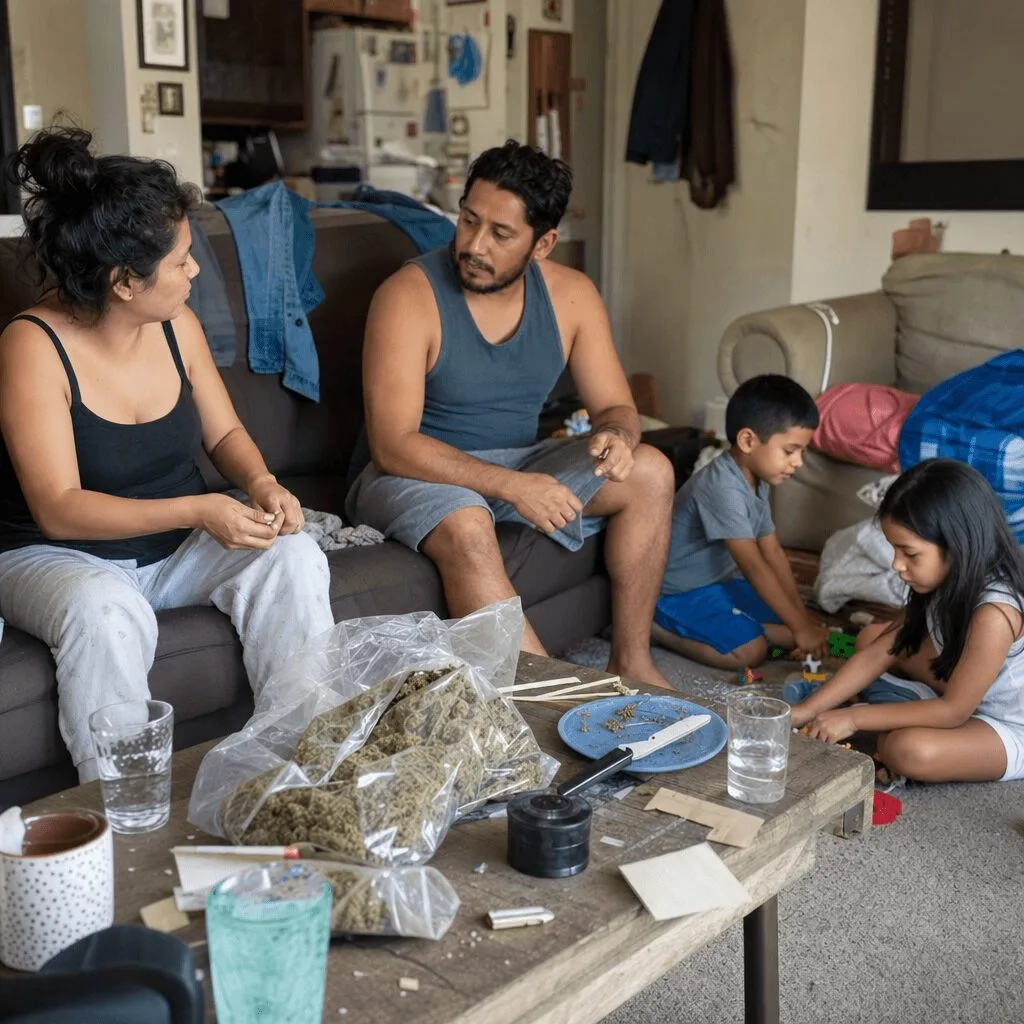
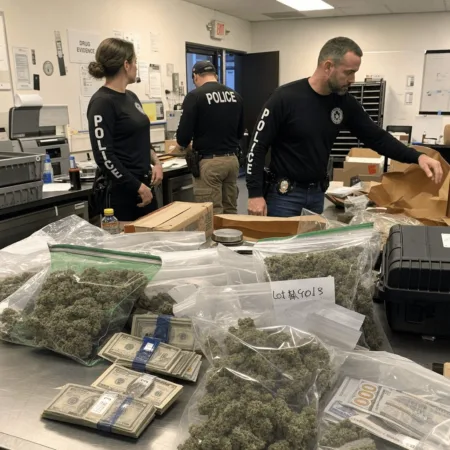
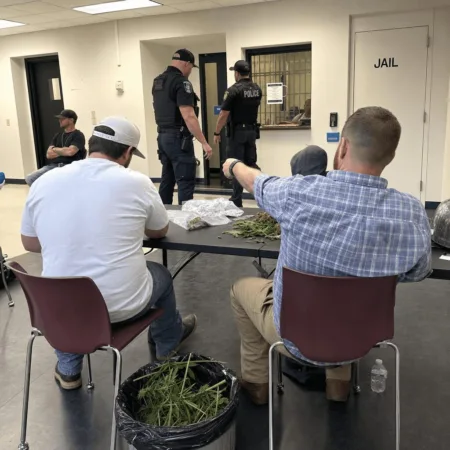
This parents charged child marijuana story exploded when authorities in Mexico arrested two parents for giving marijuana to their young children in an effort to calm their behavior. As originally reported by ABC 17 News, the case occurred on June 5, 2026. Local police responded to a call that led them to a modest home in a suburban Mexican neighborhood. There, they discovered evidence that included a bag of dried marijuana, rolling papers, and paraphernalia on a coffee table, easily accessible to the children. While this case unfolded in Mexico, similar incidents—like the school THC situation in Texas—have sparked outrage and debate over parental oversight in other regions as well.
According to prosecutors, the parents admitted to occasionally giving marijuana to their children, claiming it was to ‘help calm anxiety and restlessness.’ Charges were quickly filed under Mexican law, which treats the supply of controlled substances to minors as a serious criminal offense, even as adult personal possession is increasingly tolerated. Legal filings, highlighted by Mexico News Daily, emphasize strict child protection statutes.
The case has triggered heated media coverage and public outcry, with debates reigniting about parental rights, state protections, and the boundaries of responsible cannabis use.
Expert Analysis & Insights: Parenting, Cannabis, and Public Perception
Let’s cut through the smoke: this parents charged child marijuana case is less about villainizing cannabis and more about grappling with the ethics of parenting decisions. Legal experts point out that even in regions with progressive cannabis laws, protections for minors are near-universal. According to Leafly’s child safety report, “The distinction between responsible adult use and exposure to kids remains crystal clear in both statutory language and community ethics.” That said, the situation also exposes gaps in public health messaging and available resources for parents navigating behavioral struggles.
Industry insiders note a broader challenge here. As one well-known advocate, Dr. Ethan Russo (quoted in Forbes), states: “Cannabis, like any substance, comes with benefits and risks, and it’s up to adults to model responsible behavior.” Still, stigmatization of cannabis can fuel poor decision-making by cutting off access to legitimate supports for families in distress. This theme is especially evident when considering cases where major marijuana seizures prompt policy debate and family anxieties in various counties.
Pro-cannabis advocates stress that honest, evidence-based education is crucial. Not all cannabis use equates to harm, but age-appropriateness and consent are non-negotiable. “This is an opportunity,” as industry group NORML argues, “to open dialogue about modern parenting challenges without defaulting to criminalization.” (See NORML’s blog.)
The Road Ahead: Changing Attitudes, Responsible Change
The parents charged child marijuana episode serves as a poignant reminder: the cannabis revolution is about more than business or politics – it’s about reshaping cultural expectations, home by home. As more countries pivot towards liberal policies, the cannabis industry recognizes its responsibility to advocate not just for legal access, but for robust safeguards around youth. According to Health Europa’s regulatory round-up, ongoing improvements in educational outreach and social support are likely to outpace punitive models.
Looking forward, Mexico and other reforming nations have a chance to lead with compassion and science—not fear. The hope is that future headlines read less like ‘parents charged child marijuana’ shockers, and more like stories of empowered families making informed, safe choices with a maturing plant and policy landscape. Cannabis doesn’t belong in the hands of kids, but an open, stigma-free discussion just might be the best protection for everyone.
Originally reported by: abc17news.com
1 Comment
Pingback: Washington cannabis market trends: Surviving federal shifts