






Pacific Grove drug arrest: Shocking Stop Uncovers Drugs
In the wake of the latest Pacific Grove drug arrest, the cannabis community and local residents find themselves at a crossroads. Public perceptions, regulatory uncertainty, and ongoing concerns about cannabis legalization converge in a moment that is as revealing as it is newsworthy. This recent roadside incident doesn’t just raise eyebrows—it spotlights evolving law enforcement tactics, shifting social attitudes, and the very real consequences of California’s drug policy reforms. Let’s break down what happened, why it matters now, and why Pacific Grove drug arrest events like this should prompt deeper conversations about health, justice, and the future of cannabis.
The Legal and Social Backdrop of Pacific Grove Drug Arrests
Cannabis policy in California has undergone a transformation over the past decade. Adult-use cannabis became legal in 2016, yet persistent legal gray areas complicate both law enforcement and daily life for those who use or carry cannabis in public. According to California’s official cannabis authority, consumers must follow strict possession and transportation laws, even as public attitudes grow more accepting. Meanwhile, Pacific Grove residents have seen increased police attention on controlled substances, both legal and illegal, which reflects both community concern and lingering debates over the role of policing in the post-legalization era. Data from Pew Research Center show that most Americans now support at least some form of legal weed, but the transition hasn’t been perfectly smooth. In other communities, events like the response to public incidents involving cannabis and earthquakes at the San Francisco Zoo have revealed how community, public safety, and cannabis converge in unique ways. Pacific Grove drug arrest incidents at traffic stops highlight unresolved tensions between evolving public policy and day-to-day policing practices, especially as officers navigate a newly complex regulatory environment. For the cannabis community, it’s another reminder that legalization and social acceptance aren’t always in sync on the street.
Key Events: What Went Down During the Pacific Grove Drug Arrest
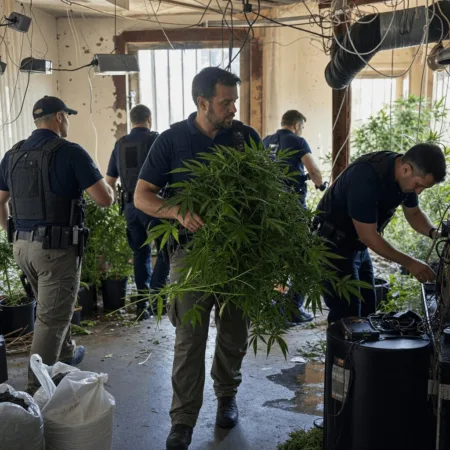
According to reporting by SFGate, the Pacific Grove drug arrest unfolded during what started as a routine roadside stop. Police officers noticed a sedan parked near a coastal street, where they approached and began engaging the driver in a casual chat. During the stop, officers discovered evidence bags on the roof, containing visible marijuana buds and related paraphernalia, alongside a faded backpack on the ground with a pipe nearby. This type of real-world incident echoes recent findings about how drug charges can ignite public debate on cannabis reform across various states, showing that the boundaries between law, enforcement, and public opinion are as relevant in Pacific Grove as elsewhere. While officers and the individual appeared relaxed, the incident quickly escalated as law enforcement gathered evidence. Ultimately, legal action centered on the cannabis found at the scene, adding to the ongoing tally of Pacific Grove drug arrest cases in local records. The event reflects wider trends in California, where the boundary between legal possession and prosecutable offenses remains blurry. Legal details from the scene indicate that transportation, quantity, and visible paraphernalia all factor into enforcement decisions, even in an era of widespread legalization. The Pacific Grove drug arrest garnered attention not only for its ordinary appearance but also for the way it highlighted tensions between regulation and reality on California’s highways.
Expert Analysis: What Does the Pacific Grove Drug Arrest Reveal?
This Pacific Grove drug arrest underscores bigger issues in the cannabis industry, namely, the gap between legal frameworks and local enforcement. As Leafly’s policy team notes, inconsistent enforcement often creates confusion for both consumers and police: “Legalization has outpaced uniform training, so stops often depend on individual officer discretion,” says Dale Gieringer, Director of California NORML (California NORML). “People expect clear, consistent rules, but that’s not always what happens during a roadside check.” Industry analysts from MJBizDaily point to the ongoing disconnect between community opinion and enforcement. As public support for sensible regulation grows, so does pressure on law enforcement to modernize its approach and focus resources on actual threats to public health and safety. Long-term, experts believe that possible federal rescheduling of marijuana could impact both patients and community enforcement priorities. In this context, the Pacific Grove drug arrest feels like a relic of stricter days, and continues to motivate advocates to keep pushing for deeper reform.
Looking Ahead: Reform, Understanding, and the Pacific Grove Drug Arrest
As the cannabis industry continues its rapid evolution, Pacific Grove drug arrest cases like this one become conversation starters for reform, not just local controversies. Community leaders, legal professionals, and consumers increasingly agree that clear rules and fair enforcement are essential for public trust. According to NORML News, ongoing legislative improvements aim to harmonize state and local policy, with an emphasis on education over strict prosecution. Pacific Grove residents—along with cannabis fans statewide—should seize this moment to foster open dialogue, embrace smarter policy, and push for inclusive, evidence-based practices. With every Pacific Grove drug arrest, the community gets another opportunity to reflect, grow, and move closer to the promise of legal cannabis done right. Positive momentum, broader social acceptance, and industry leadership suggest a future where stories like this spark hope and progressive change—not fear or shame.
Originally reported by: sfgate.com

1 Comment
Pingback: CBD Kratom Freedom Campaign: Discover the Fight for Hemp Choice