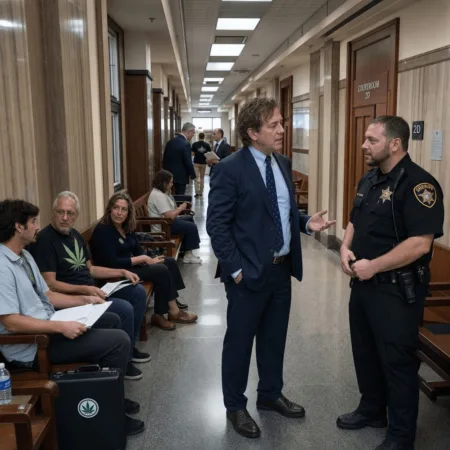
Drug Decriminalization: A Friend’s Take on a Game-Changing Policy
Hey there, fellow cannabis enthusiasts and those curious about the ever-evolving world of drug policy. It’s your friendly neighborhood cannabis expert here, and today we’re diving headfirst into a hot topic: Drug Decriminalization. Buckle up, folks, because we’re about to take a wild ride through the world of progressive drug reform.
The Lowdown on Drug Decriminalization
First things first, let’s clear the smoke and get on the same page. Drug Decriminalization is all about treating drug addiction as a health issue, not a criminal one. It’s like saying, “Hey, if you’re struggling with addiction, let’s help you get better rather than throwing you behind bars.”
So, you might be wondering, what’s the deal with Drug Decriminalization? Well, my friend, it’s a policy shift that’s been gaining traction in various parts of the world. It’s a recognition that the “war on drugs” approach has failed, and it’s time for a more compassionate and effective strategy.
Drug Decriminalization involves removing criminal penalties for the possession of small amounts of drugs. Instead of locking people up, it focuses on offering them treatment, support, and a chance to break free from the cycle of addiction.
Now, let’s get back to the Oregon Connection and the recent trip to Portugal. Our story starts in Oregon, where a bunch of cool cats, including state Rep. Rob Nosse and a crew of advocates, recently embarked on a journey to Portugal. Yeah, you heard me right, Portugal – the land where they’ve been rocking drug decriminalization for over two decades.
What Portugal Taught Us
These Oregonians wanted to see how Portugal’s approach to addiction could inspire change back home. And you know what they found? A whole lot of common sense.
State Rep. Rob Nosse hit the nail on the head when he said, “Seeing is believing.” It’s one thing to talk about drug decriminalization, but it’s a game-changer when you witness it in action.
In Portugal, policymakers and law enforcement are on the same page – they believe that people dealing with addiction need healthcare, not handcuffs. It’s all about building an integrated system that gets people the care they need, and it’s working like a charm.
So, what can Oregon learn from Portugal? Well, my friend, there’s a ton to learn. The Health Justice Recovery Alliance (HJRA) laid it out for us with six clear takeaways.
- First, we need to fully fund treatment services. When Portugal cut funding for treatment, drug use and overdose rates spiked. Lesson learned: invest in treatment funding and focus on a public health response.
- Teamwork Makes the Dream Work
Portugal’s secret sauce is system-wide integration. Everyone from health officials to addiction recovery services, state-run detox centers, non-profits, and law enforcement works together to tackle addiction head-on. It’s a far cry from treating drug users and police as “the enemy.”
Janie Gullickson, Executive Director of the Health and Addiction Association of Oregon, said it best: “We all must work together.” Law enforcement, often the first responders in crises, shouldn’t be left out of the process. It’s about breaking down barriers and building trust to find solutions that work for our communities.
Now, you might be wondering, “What’s in it for Oregon?” Well, my friends, there’s a ton to learn. The Health Justice Recovery Alliance (HJRA) laid it out for us with six clear takeaways.
- First, we need to fully fund treatment services. When Portugal cut funding for treatment, drug use and overdose rates spiked. Lesson learned: invest in treatment funding and focus on a public health response.
- Teamwork Makes the Dream Work
Measure 110: A Step in the Right Direction
HJRA’s findings underline the importance of Measure 110, Oregon’s own drug decriminalization law. It’s a step in the right direction, but it didn’t go far enough in creating a comprehensive healthcare approach to addiction.
We can’t rely on one policy solution to be the answer. Portugal’s success came from a combination of nearly 70 policy solutions and a robust public health approach. It’s all about offering better options to people struggling with addiction.
Public drug use is another puzzle piece. Law enforcement needs effective, non-criminal strategies to address it. Let’s give them clear mandates and work together to curb public drug use.
A Twist in the Plot
But here’s where it gets interesting. While these Oregonians were soaking up wisdom in Portugal, some folks back home are working to undo parts of Measure 110. Yep, you heard me right – they want to roll back drug decriminalization.
One proposal would make it a misdemeanor to possess certain “hard” drugs, while another goes even further, increasing penalties and transferring control over Measure 110 funding. Talk about a plot twist.
Oregon’s Reality Check
Now, let’s talk numbers. Despite 58% of Oregon voters supporting Measure 110 initially, recent polls show that 61% believe it’s been a failure. That’s a head-scratcher, right?
A Tale of Two Crises
Drug policy researcher Morgan Godvin compared Oregon’s situation to Portugal’s. Both faced urgent opioid crises, but Portugal’s response effectively eliminated it. The key? Expanding services and presenting better choices for people seeking treatment.
The delegation that jet-setted to Portugal included some heavy-hitters. We’re talking about folks like Rep. Rob Nosse, Sen. Floyd Prozanski, and even Sgt. Aaron Schmautz from the Portland Police Association. They were all on board to learn from Portugal’s experience.
What the Numbers Say
Remember those stats I mentioned earlier? Well, there’s more. An analysis found that drug decriminalization in Oregon and other places didn’t lead to more fatal overdoses, contrary to some predictions.
And guess what? Reduced arrests for drug possession and no increase in arrests for violent crimes – that’s the real deal. It seems like drug decriminalization isn’t as scary as some folks thought.
Room for Improvement
While the data looks promising, it’s worth noting that Oregon’s increased funding for treatment and recovery services came after the study. Funding has the potential to decrease risky drug-related behaviors and support addiction recovery, which can reduce nonfatal and fatal drug overdoses.
Oregon’s Ranking
Oregon had the 34th highest fatal overdose rates in the country. That’s a sobering statistic, and it shows that there’s room for improvement.
Legislative Tweaks
Oregon legislators aren’t sitting idle. They’ve made some adjustments to the state’s decriminalization law, providing more support and better coordination. It’s all about fine-tuning the system.
In Conclusion
So, there you have it, folks – the lowdown on Drug Decriminalization from a friendly cannabis enthusiast’s perspective. It’s all about treating addiction as a health issue, learning from places like Portugal, and working together to find solutions.
Before we wrap this up, a big shoutout to Ben Adlin for his reporting on this topic. Thanks for shedding light on this important issue, buddy.
And remember, whether you’re a die-hard cannabis fan or just curious about drug policy, we’re all in this together, striving for a healthier, more compassionate world.
Until next time, stay informed, stay safe, and keep blazing those trails of knowledge. Peace out!